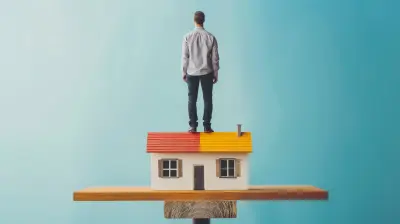
The Emotional Side of Short Sales: Homeowners’ Perspective
28 June 2026
Selling a home is never just a financial transaction—it’s a deeply emotional experience. But when that sale is a short sale, the emotional toll can be even heavier. For many homeowners, a short sale isn’t just about selling a property; it’s about letting go of a place filled with memories, managing financial stress, and navigating an uncertain future.
In this post, we’ll dive into the emotional side of short sales, uncovering the struggles, fears, and hopes that homeowners experience as they go through this tough journey. 
What Exactly Is a Short Sale?
Before we get into the emotional side, let's quickly define what a short sale is. A short sale happens when a homeowner sells their property for less than what they owe on the mortgage. The lender has to approve the sale, knowing they won’t recover the full loan amount.For many homeowners, a short sale is often the last resort before foreclosure. Banks may agree to it because it can save them time and money compared to the foreclosure process. However, for the homeowner, it’s not just a numbers game—it’s a deeply personal decision that comes with emotional highs and lows. 
The Emotional Rollercoaster of a Short Sale

1. The Initial Shock: Realizing It’s Time to Sell
No one buys a home thinking they’ll have to sell it at a loss. When financial hardships hit—whether due to job loss, medical bills, divorce, or other life changes—it can feel like the rug has been pulled out from under them.Many homeowners hold out hope for months, believing they can turn things around. But once it becomes clear that a short sale is the best option, reality sets in. The emotional impact of facing financial struggles and admitting that selling is necessary can be overwhelming.
Common feelings during this stage:
- Denial – "This can’t be happening to me."
- Guilt – "I should have managed my money better."
- Fear – "What if I don’t get approved for a short sale?"
2. The Guilt and Shame: Dealing with Social Stigma
Unfortunately, there’s still a stigma attached to financial struggles. Many homeowners feel like they’ve failed because they can’t keep up with their mortgage. Society often equates homeownership with success, so losing a home—whether through foreclosure or a short sale—can feel like a personal failure.Some homeowners hesitate to tell friends and family about their situation, choosing instead to suffer in silence. The fear of judgment can make the process even more isolating.
But here’s the truth: life happens. Financial hardships are unpredictable, and choosing a short sale is often the most responsible decision to prevent even greater financial damage.
How to cope with this stage:
- Remember that you’re not alone—many people face short sales every year.
- Lean on close friends or family for emotional support.
- Focus on the future rather than dwelling on the past.
3. The Emotional Attachment: Saying Goodbye to a Home Filled with Memories
Homes are more than just walls and a roof. They hold memories—family gatherings, children's first steps, holidays, and personal milestones. Selling a home, especially one filled with sentimental value, can feel like saying goodbye to a part of your life.Walking through the empty rooms one last time can be heartbreaking. Some homeowners find it difficult to pack up and move, delaying the process as long as possible.
If you’re in this situation, try to shift your perspective. Instead of thinking of it as “losing your home,” consider it closing one chapter and preparing for a fresh start. Take photos, create a memory book, or write down your favorite moments to honor the time you spent there.
Ways to make the transition easier:
- Host a small farewell gathering with loved ones to honor the home.
- Write a letter to the house, expressing gratitude for the memories.
- Focus on the new opportunities ahead rather than what’s being left behind.
4. The Stress and Anxiety: Navigating the Complicated Process
A short sale isn’t a quick or easy process. It involves tons of paperwork, lender negotiations, real estate agents, and legal considerations. The waiting period alone—often lasting several months—can cause major stress and anxiety.During this time, homeowners often feel like they have little control over their future. There’s a constant fear of what comes next:
- Will the lender approve the sale?
- Will they be responsible for any remaining debt?
- Will they be able to find affordable housing afterward?
Financial uncertainty is one of the biggest emotional burdens of a short sale. The best way to manage this stress? Stay informed and work with professionals who specialize in short sales. A good real estate agent and a knowledgeable attorney can guide homeowners through the process, ensuring they make the best decisions for their situation.
5. The Relief and Acceptance: Finding Hope After the Sale
Once the short sale is finally complete, homeowners often feel a mix of relief and sadness. While it's tough to let go of a home, there’s also a sense of freedom from overwhelming debt. For many, it’s the chance to start fresh, rebuild their finances, and work toward a brighter future.It’s important to remember that a short sale is not the end—it’s a new beginning. Many people who go through short sales recover financially, improve their credit over time, and even become homeowners again in a few years.
Steps to move forward after a short sale:
- Focus on rebuilding credit by making timely payments on all other debts.
- Create a new financial plan to avoid similar struggles in the future.
- Shift perspective: This was a setback, but it doesn’t define your financial future. 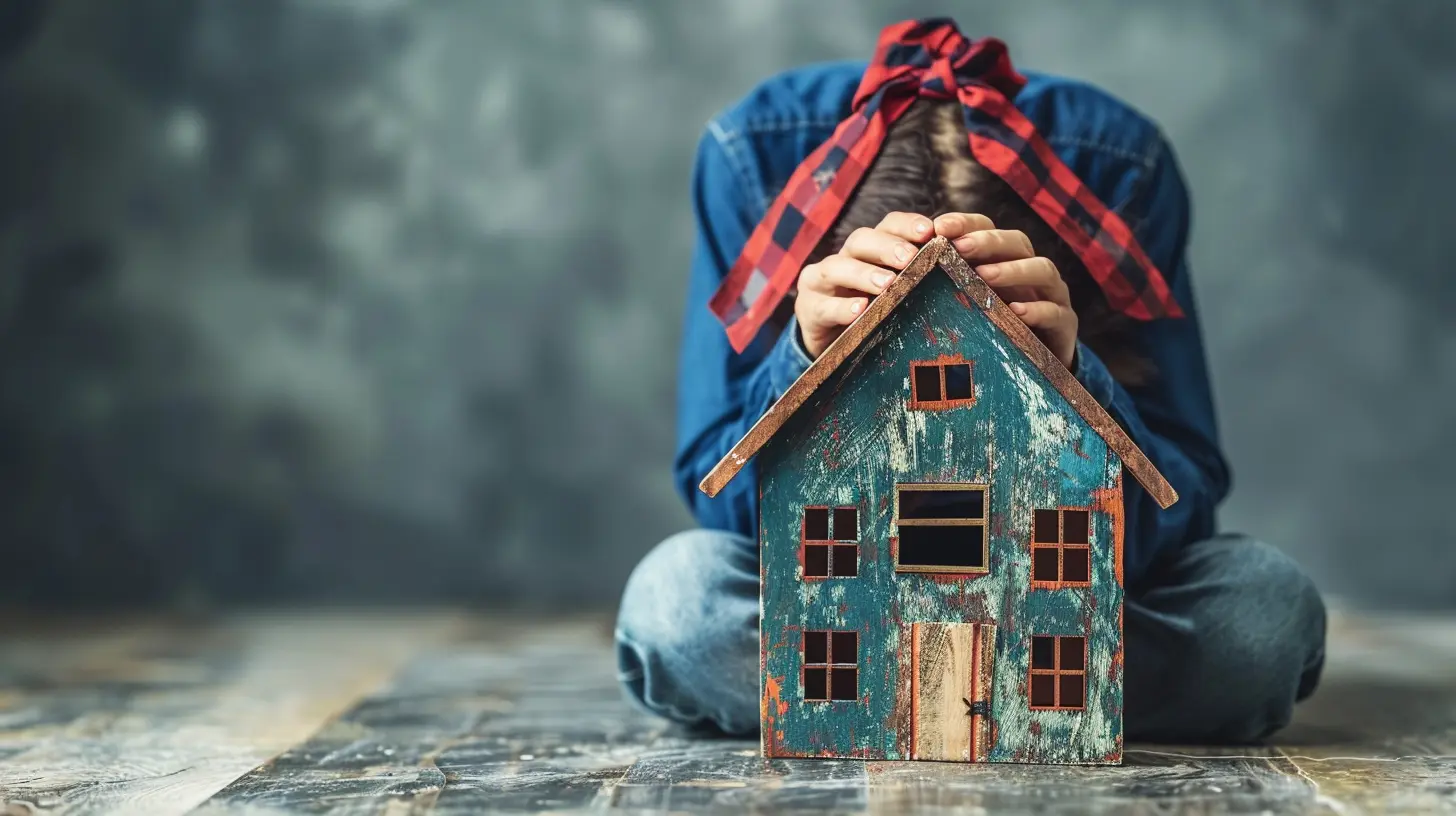
Final Thoughts: You’re Not Alone in This Journey
Going through a short sale is an incredibly emotional experience. From the initial shock to the final relief, homeowners go through a whirlwind of feelings—guilt, fear, attachment, and eventually, acceptance.If you or someone you know is facing a short sale, remember that it’s not a personal failure. It’s a financial decision made out of necessity, and it does not define your worth. While the process is tough, it can also be a stepping stone toward a more stable and secure future.
There’s life after a short sale—one filled with new opportunities, financial recovery, and, one day, maybe even a new home to call your own.
all images in this post were generated using AI tools
Category:
Short SalesAuthor:

Mateo Hines
Discussion
rate this article
1 comments
Zaylee McGarvey
A heartfelt look at homeowners' journeys during short sales.
July 2, 2026 at 3:37 AM
Mateo Hines
Thank you for your kind words. I'm glad the article resonated with you. Homeowners' stories are truly powerful and deserve to be heard.