Virtual Staging Techniques for Showcasing Multi-Unit Properties
3 June 2026
The real estate game has changed drastically over the last decade. And let’s be honest—first impressions matter more than ever. When prospective buyers or renters scroll through property listings, it takes just seconds for them to decide whether to click or keep scrolling. That’s where virtual staging swoops in like a superhero.
If you’re in the real estate biz and dealing with multi-unit buildings—like condos, apartment complexes, duplexes, or even full-on multifamily homes—then this article is for you. We’re diving deep into actionable, effective, and downright clever virtual staging techniques that can transform your online property listings from “meh” to “wow.”
So grab your coffee, kick back, and let’s walk through the world of virtual staging and how it can level up your multi-unit property game.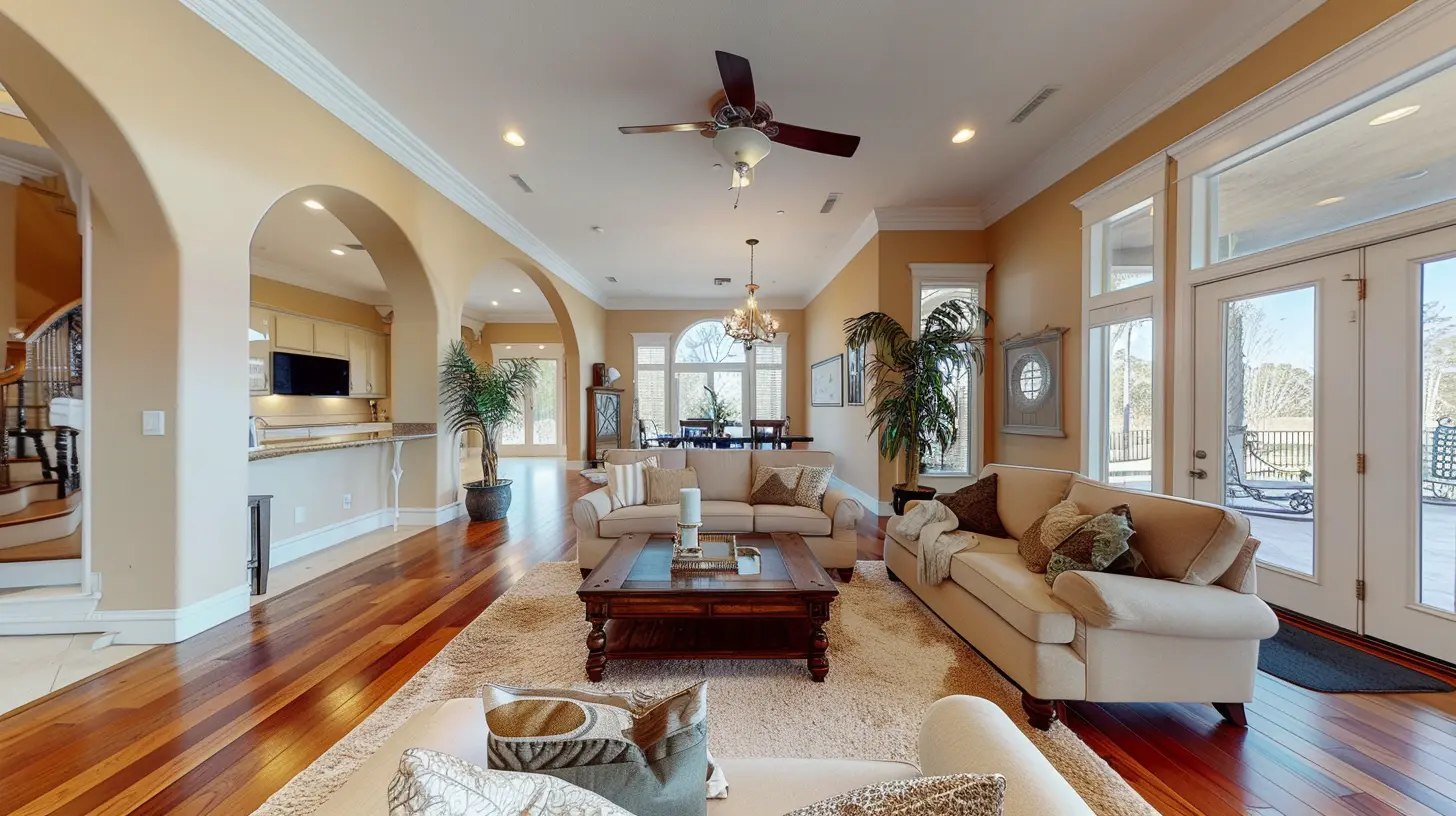
What is Virtual Staging Anyway?
Let’s start with the basics. Virtual staging is the digital version of traditional staging. Instead of physically hauling in furniture, artwork, and décor into an empty unit, designers use software to create a fully furnished look. You end up with vivid, photorealistic images that show a property’s full potential—without lifting a single sofa.Now, couple that with multi-unit real estate, and you’ve got both a challenge and an opportunity. You’re not just staging one layout—you’re often dealing with multiple floor plans, target audiences, and design goals. So, how do you make it work?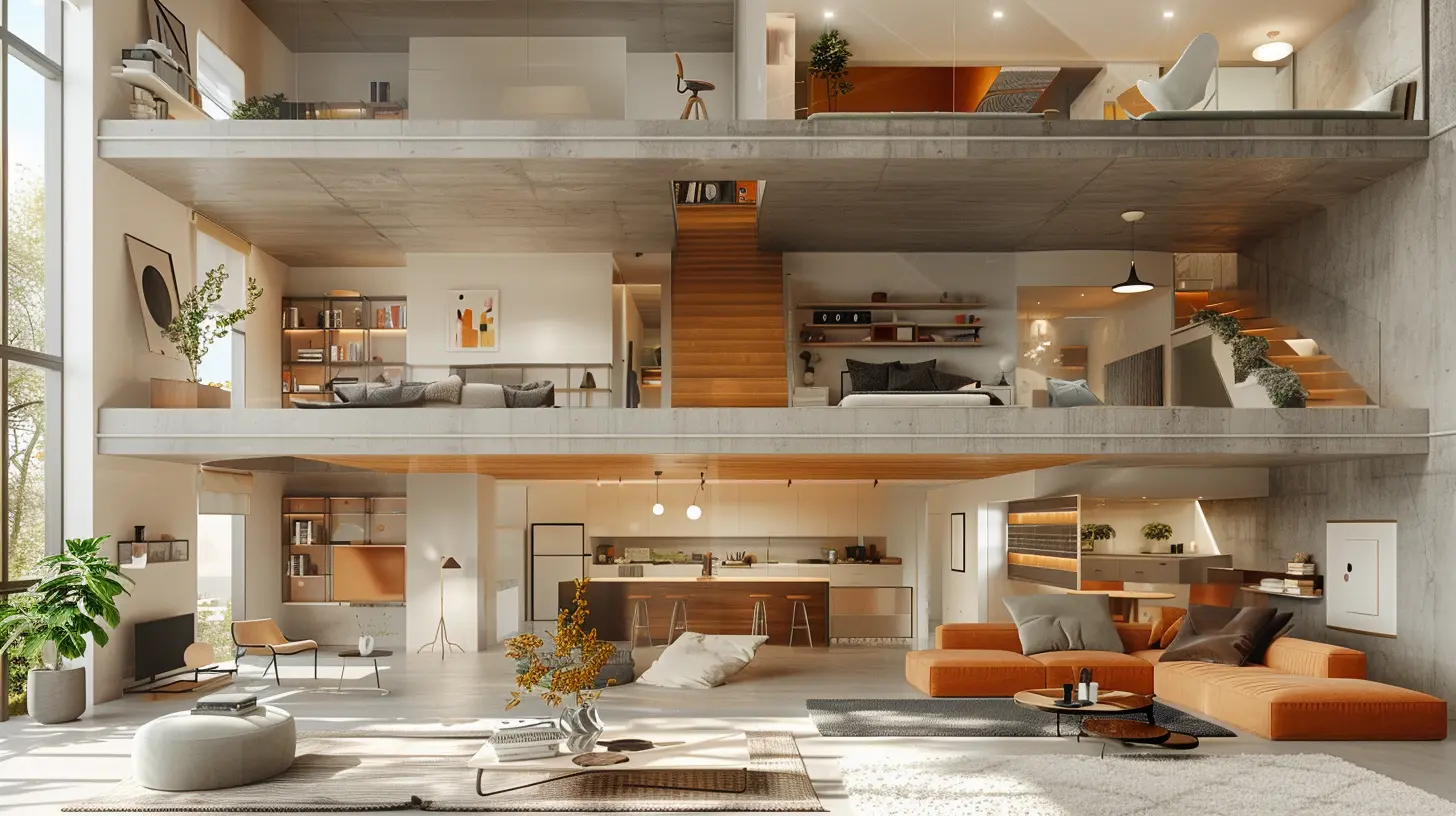
Why Virtual Staging is a Game-Changer for Multi-Unit Properties
1. Cost Efficiency
Traditional staging costs thousands per unit. Multiply that across ten, twenty, or fifty units? Ouch. Virtual staging, on the other hand, is a one-time digital investment.2. Speed and Flexibility
Need to showcase a one-bed and a two-bed unit in different styles? Want to appeal to both families and young professionals? Virtual staging lets you switch styles with a few clicks.3. Broader Reach
Online listings are often your first and only shot at grabbing attention. Virtually staged images capture interest faster and keep people on your page longer.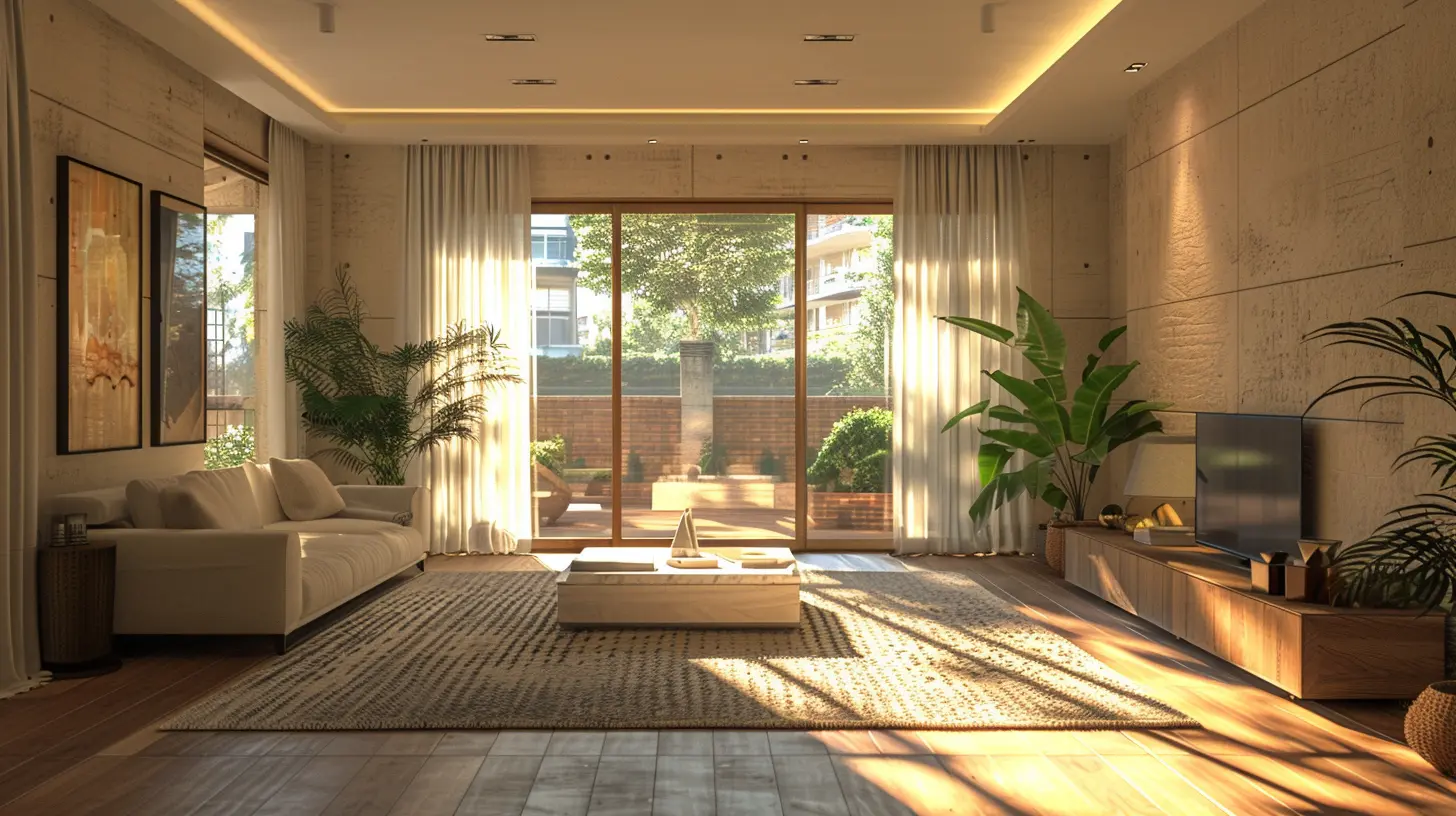
Top Virtual Staging Techniques for Multi-Unit Properties
Let’s dig into some of the most effective techniques you can use. These aren’t just your run-of-the-mill tips—we’re talking strategy, aesthetics, psychology, and even a little tech wizardry.1. Tailor Designs to Target Demographics
Think of your ideal renters or buyers for each unit. A cozy studio might attract a young professional, while a 3-bedroom may be ideal for a small family.- For young professionals: Use modern, minimalist designs with smart desks and industrial lighting.
- For families: Highlight a functional layout with a dining table, kids’ room accessories, and comfortable communal spaces.
- For seniors: Focus on easy flow, brighter lighting, larger prints, and comfort-oriented furniture.
By aligning the design with who you’re trying to attract, your listings speak their language.
2. Highlight Key Features of Each Unit
Not every unit in a multi-family building is created equal. Some have balconies, others boast killer views, and a few might have vaulted ceilings. Use virtual staging to shine a light on these standout elements.- Balcony? Add cozy outdoor furniture and string lights.
- Big windows? Dress them up with sheer curtains to maximize natural light.
- Oddly shaped rooms? Use rugs and furniture to define spaces and create balance.
Virtual staging makes it easy to put your property’s best foot forward.
3. Don’t Overdo It—Keep It Real
Yes, virtual staging offers endless possibilities. But remember, your goal is to sell or lease the real space, not a fantasy. Keep your designs realistic, livable, and grounded in the actual dimensions of the unit.Avoid:
- Furniture that wouldn’t fit in real life
- Unrealistic lighting or sunny effects in a dark unit
- Overly lavish designs that mislead prospective buyers
In other words—don’t “catfish” your clients.
4. Use Different Styles Across Units
Instead of using the same style in every unit, mix it up. Offer a selection of themes:- Scandinavian Minimalism
- Mid-Century Modern
- Bohemian Chic
- Industrial Urban
This not only gives your listings variety—it helps viewers see possibilities. One unit might resonate with a digital nomad, while another feels perfect for a young couple.
This technique is especially useful if you're selling multiple condos or leasing out various-sized apartments within the same building.
5. Virtually Stage Outdoor and Common Areas
Most people focus only on the living rooms and bedrooms. Big mistake.Staging common areas—lobbies, rooftops, courtyards, gyms, and lounges—adds tons of value. Potential tenants or buyers want to visualize their lifestyle, not just their living quarters.
Show:
- A rooftop with a BBQ and seating area
- A lobby with stylish furniture
- A gym with equipment and mirrors
- A community room set up for movie night
These communal spaces build a lifestyle narrative. And that narrative sells.
6. Include Before-and-After Comparisons
Sometimes, to appreciate the magic, people need to see the “before.”Including side-by-side images of a unit empty and then staged allows viewers to immediately understand the transformation. It’s like watching a home makeover show—people love that stuff.
Plus, it builds trust. You’re showing the raw truth and the possibilities.
7. Make Use of Interactive and 3D Virtual Tours
2D images are great, but we’re in the age of interaction. Take staging to the next level with:- 3D walk-throughs
- Interactive floor plans
- Augmented Reality (AR) previews
These let users “walk through” virtually staged units from their phone or laptop. Engagement time goes up. So do conversion rates.
And hey, you don’t need to hire NASA to get this tech—there are plenty of affordable tools like Matterport, iStaging, and Homestyler that do the job beautifully.
8. Keep Consistent Branding Across Units
If you’re showcasing multiple units across a single property, consistency is key. Even with varied styles, your staging should all align with your brand image.Do you want to convey luxury? Keep your designs upscale across all units.
Going for a hip, community vibe? Use colorful elements and quirky finishes.
Your visual story should be cohesive, even if the styles differ. Think of it like a Netflix series—episodes vary, but the vibe stays the same.
9. Emphasize Space, Not Clutter
A common mistake with virtual staging is filling every corner. Sure, that oversized bookshelf looks cool, but if it swallows half the living room? No thanks.Focus on:
- Open floor area
- Optimal furniture placement
- Light, airy designs
You want to give the eye room to breathe. Let viewers mentally move into the space, not feel like they’re navigating a digital hoarder's den.
10. Keep Updating Your Staging Based on Market Trends
Interior design trends evolve. What looked modern in 2019 may feel outdated today. Monitor trends (earth tones, natural textures, tech-integrated furniture) and refresh your virtual staging every few months.This keeps your listings feeling fresh and in tune with current taste. The market changes quickly—so stay ahead of the curve.
Bonus: Mistakes to Avoid in Virtual Staging
Let’s wrap these up with a few pitfalls you’ll want to sidestep:❌ Over-editing: Don’t smooth things out so much the image looks fake.
❌ Inability to match lighting: Make sure the digital furniture fits the lighting of the real photo.
❌ Using stock furnishings that don’t represent your target buyer.
❌ Forgetting mobile optimization: Images need to look just as amazing on a phone as they do on desktop.
The Final Word
Virtual staging is no longer just a cool option—it’s practically essential, especially for multi-unit properties. It’s the bridge between a blank canvas and a buyer’s dream home. The trick is using it strategically. Tailor it to your audience. Highlight what matters. Be honest. And for the love of all things real estate, update your virtual furniture once in a while.If you’re not using these techniques yet, what are you waiting for? Your listings are your storefront, and virtual staging is your window display. Make it count.
all images in this post were generated using AI tools
Category:
Virtual StagingAuthor:

Mateo Hines
Discussion
rate this article
1 comments
Jasmine Miller
Virtual staging offers a cost-effective way to enhance multi-unit properties, making them more appealing to potential buyers.
June 25, 2026 at 12:23 PM
Mateo Hines
Absolutely! Virtual staging can really transform spaces and attract buyers without breaking the bank.