The Future of Neighborhoods: Planned Communities and New Construction
13 August 2026
The way we live is changing. Traditional neighborhoods with sprawling single-family homes and basic amenities are being replaced by master-planned communities designed for convenience, sustainability, and connectivity. But what does the future of these neighborhoods look like? How will new construction shape the way we live, work, and interact with our surroundings?
Let's dive into the exciting trends shaping the next generation of planned neighborhoods and new construction. 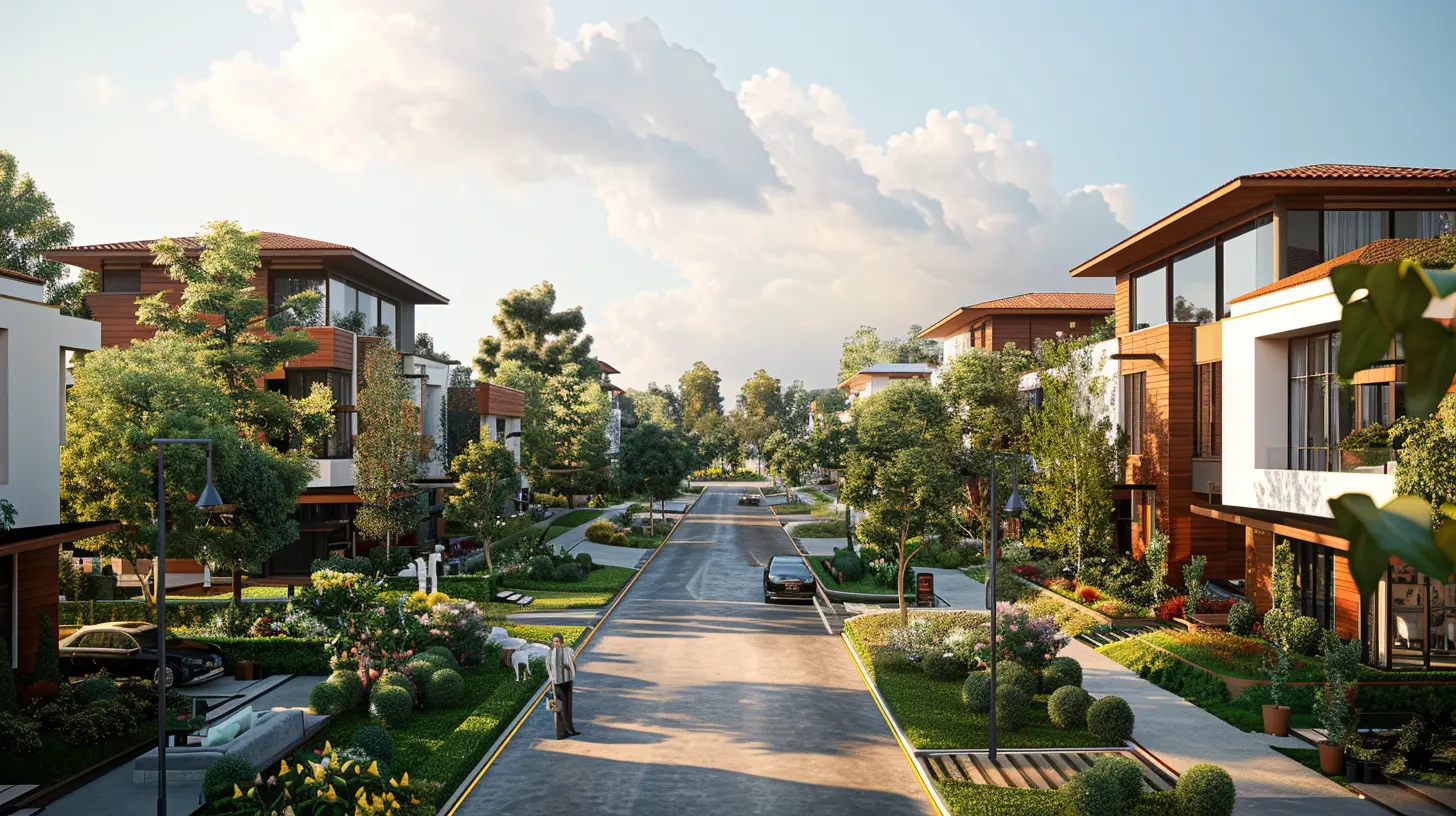
What Are Planned Communities?
Planned communities are exactly what they sound like—neighborhoods designed with a specific vision in mind. Instead of organic, piecemeal development, these areas are carefully mapped out before construction even begins.From carefully placed parks and walking trails to mixed-use spaces that combine residential and retail areas, every part of a planned community is intentionally designed to enhance the quality of life for residents. Unlike traditional neighborhoods that evolve naturally, planned communities focus on efficiency, aesthetics, and sustainability from the outset. 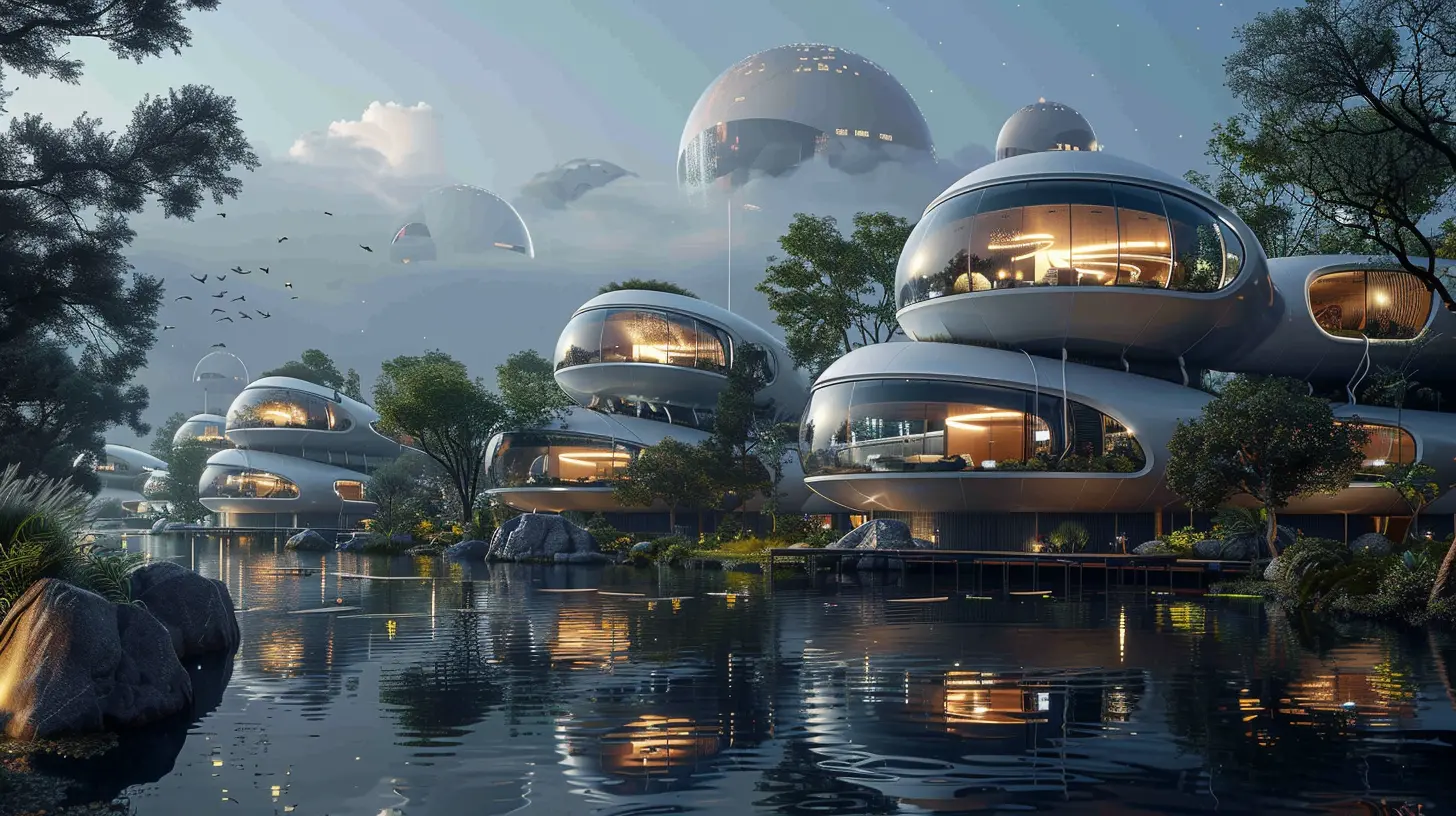
The Rise of Master-Planned Communities
Master-planned communities (MPCs) are a more advanced version of planned developments. These aren't just neighborhoods—they’re small cities in themselves.Why Are MPCs Becoming So Popular?
- Convenience – Everything residents need is within walking or biking distance, reducing reliance on cars.- Amenities – Think resort-style pools, fitness centers, hiking trails, and even entertainment spaces.
- Sustainability – Green building materials, smart homes, and energy-efficient infrastructure play a big role.
- Community-Focused – Planners incorporate parks, schools, and social spaces to create a sense of belonging.
MPCs cater to modern homebuyers who crave community, convenience, and sustainability. With cities becoming more crowded, these thoughtfully designed spaces offer a breath of fresh air—literally and figuratively. 
How New Construction Is Changing the Game
New construction isn’t just about putting up houses anymore. Today's developments focus on smarter, greener, and more efficient living spaces tailored to the unique needs of modern families.Smart Homes & Integrated Technology
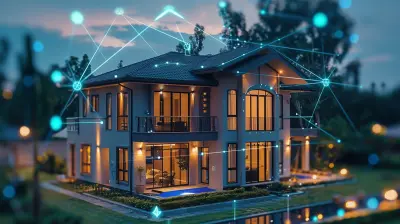
New homes are no longer just about four walls and a roof. Technology is becoming a key element of new construction, with features such as:- Smart Thermostats that adjust based on your habits
- Voice-Activated Assistants controlling lighting, security, and appliances
- Energy-Efficient Windows that help regulate indoor temperatures
- Solar Panels & Battery Storage that reduce utility costs
Smart homes aren’t just convenient—they're also energy-efficient, helping homeowners save money while reducing their carbon footprint.
Sustainable Building Practices
Sustainability is at the core of modern homebuilding. Developers are using eco-friendly materials and energy-efficient designs to meet the growing demand for greener housing. Here are some key sustainability trends in new construction:- LEED-certified homes that meet stringent environmental standards
- High-efficiency HVAC systems that lower energy consumption
- Rainwater harvesting systems to conserve water
- Recycled and locally sourced materials that reduce environmental impact
These new homes are built with the future in mind, ensuring that they stay relevant and valuable for decades to come. 
The Role of Mixed-Use Developments
Mixed-use developments are another game-changer in the future of neighborhoods. These communities combine residential, retail, office spaces, and even entertainment areas in one location, reducing the need for long commutes.Benefits of Mixed-Use Neighborhoods
- Walkability: Everything you need is just a short walk away—whether it’s a coffee shop, grocery store, or gym.- Live-Work Balance: Many mixed-use spaces include co-working areas, making remote work easier.
- Stronger Communities: Shared spaces encourage interaction, creating a sense of belonging.
With the rise of remote work, more people prefer to live in areas where they can work, shop, and socialize without having to sit in traffic for hours.
The Shift Toward Sustainable & Green Living Spaces
Eco-conscious buyers are fueling the demand for environmentally friendly communities. Developers are integrating green spaces, energy-efficient homes, and community gardens into their designs.Green Spaces Are More Than Just Pretty Parks
Green spaces in planned communities go beyond aesthetics. They play a crucial role in maintaining a healthier living environment. Features like:- Urban forests to improve air quality
- Community gardens for locally grown food
- Eco-friendly water management systems to prevent flooding
Not only do they look good, but they also contribute to better mental and physical health for residents.
The Future of Neighborhoods – What’s Next?
The way we think about neighborhoods is evolving. The future will bring more changes, including:Self-Sustaining Communities
Some developments aim to be completely self-sufficient. From producing their own renewable energy to incorporating on-site farming, these communities prioritize independence and sustainability.Autonomous Transport & Smart Infrastructure
With self-driving cars becoming a reality, neighborhoods of the future will be designed with smart transportation networks, reducing the need for large parking garages and congested roads.Affordable & Modular Housing
Housing affordability is a growing concern. Many future developments may integrate modular housing units—pre-fabricated homes that are cost-effective and quick to construct.Is a Planned Community Right for You?
While planned communities offer tons of benefits, they aren’t for everyone. If you love a tight-knit atmosphere, walkability, and modern amenities, an MPC might be a perfect match. But if you prefer a more organic, evolving neighborhood, a traditional setting might suit you better.Either way, the future of neighborhoods is exciting, with innovation driving better, more efficient, and more sustainable living environments.
Final Thoughts
Planned communities and new construction are shaping the way we live. With sustainability, technology, and convenience taking center stage, future neighborhoods will be designed for a better quality of life. Whether you're looking for a smart home, a walkable community, or a sustainable lifestyle, the next generation of neighborhoods is ready to deliver.So, what does your dream neighborhood look like? One thing’s for sure—the future of housing is bright, connected, and built to last.
all images in this post were generated using AI tools
Category:
New ConstructionAuthor:

Mateo Hines
Discussion
rate this article
1 comments
Heather McWilliams
Planned communities offer a sense of belonging and modern amenities, but they can lack character and diversity. The challenge will be balancing innovation with the unique charm of established neighborhoods.
August 15, 2026 at 10:38 AM
Mateo Hines
You make a great point. Balancing modern amenities with the distinctive character of older neighborhoods is crucial for creating vibrant, inclusive communities.