The Impact of Climate Change on Coastal Real Estate Development
12 June 2026
If you're dreaming of a beach house or investing in coastal property, you’re definitely not alone. There’s something magical about waking up to the sound of crashing waves, salty breezes, and those postcard-perfect views. But there's another, less glamorous side to all this — a growing storm cloud on the horizon: climate change.
Today, we’re diving into how rising seas, stronger storms, and unpredictable weather patterns are rewriting the script for coastal real estate development. Whether you're a potential buyer, investor, or a developer, there’s a lot more to think about than just location, location, location. So, let’s talk about what’s happening, why it matters, and what we can do about it.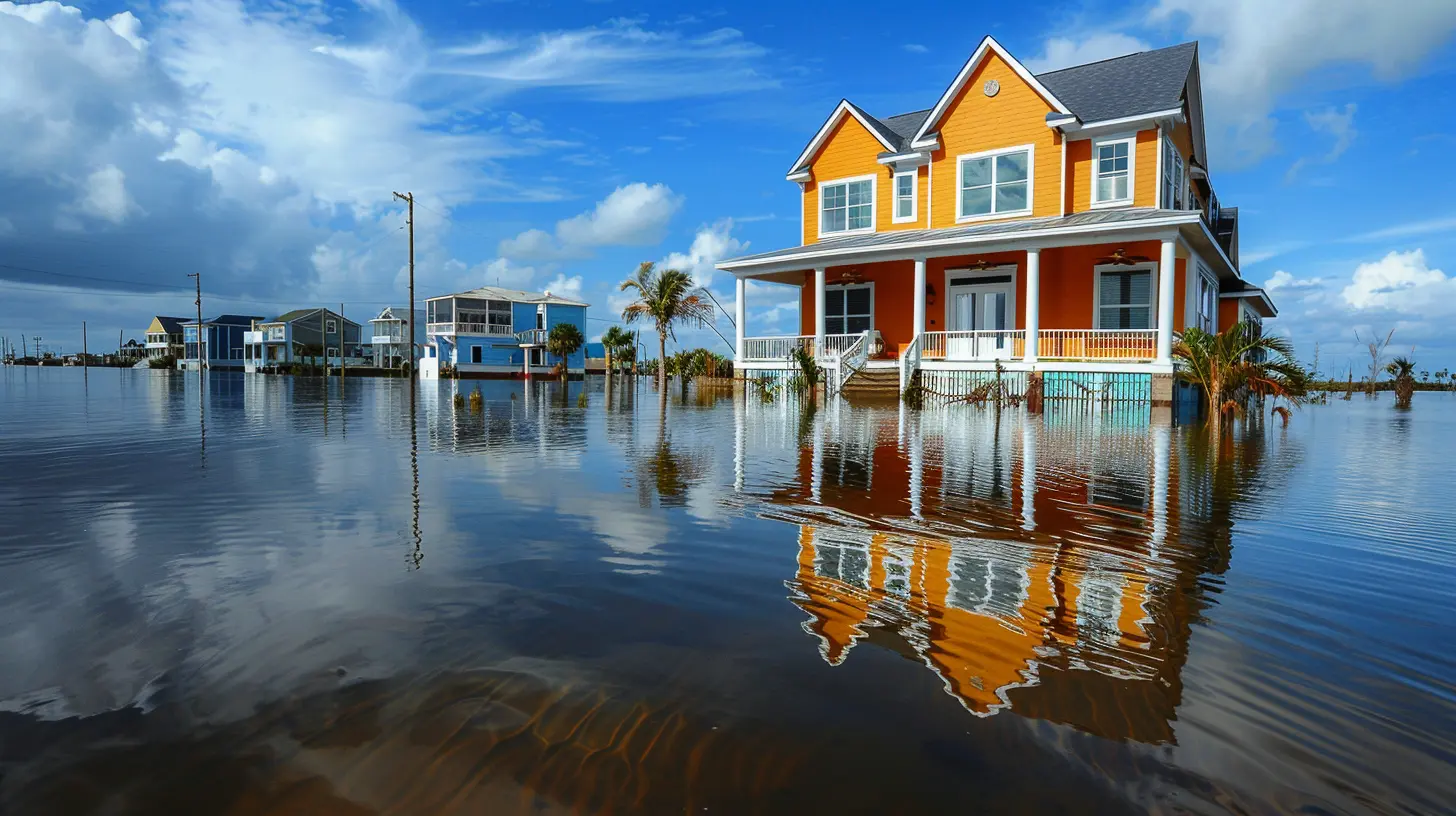
Rising Seas, Rising Risks
Let’s start with the basics. Climate change is causing sea levels to rise — steadily and, in some places, alarmingly fast. Glaciers are melting, and warmer oceans expand, taking up more space. The result? Coastlines are slowly being swallowed.Ever heard of “sunny day flooding”? It happens when high tides, not storms, flood streets and yards. Sounds crazy, right? But it’s already happening in cities like Miami, Charleston, and Norfolk. Properties that were once considered safe are now facing flooding several times a year — even without a drop of rain.
And here’s the kicker: Scientists expect sea levels to rise anywhere from 1 to 4 feet by 2100, depending on how aggressive we are (or aren’t) with climate action. Four feet might not sound like much, but for low-lying areas, it’s a game-changer. Think about it — entire neighborhoods could end up below water.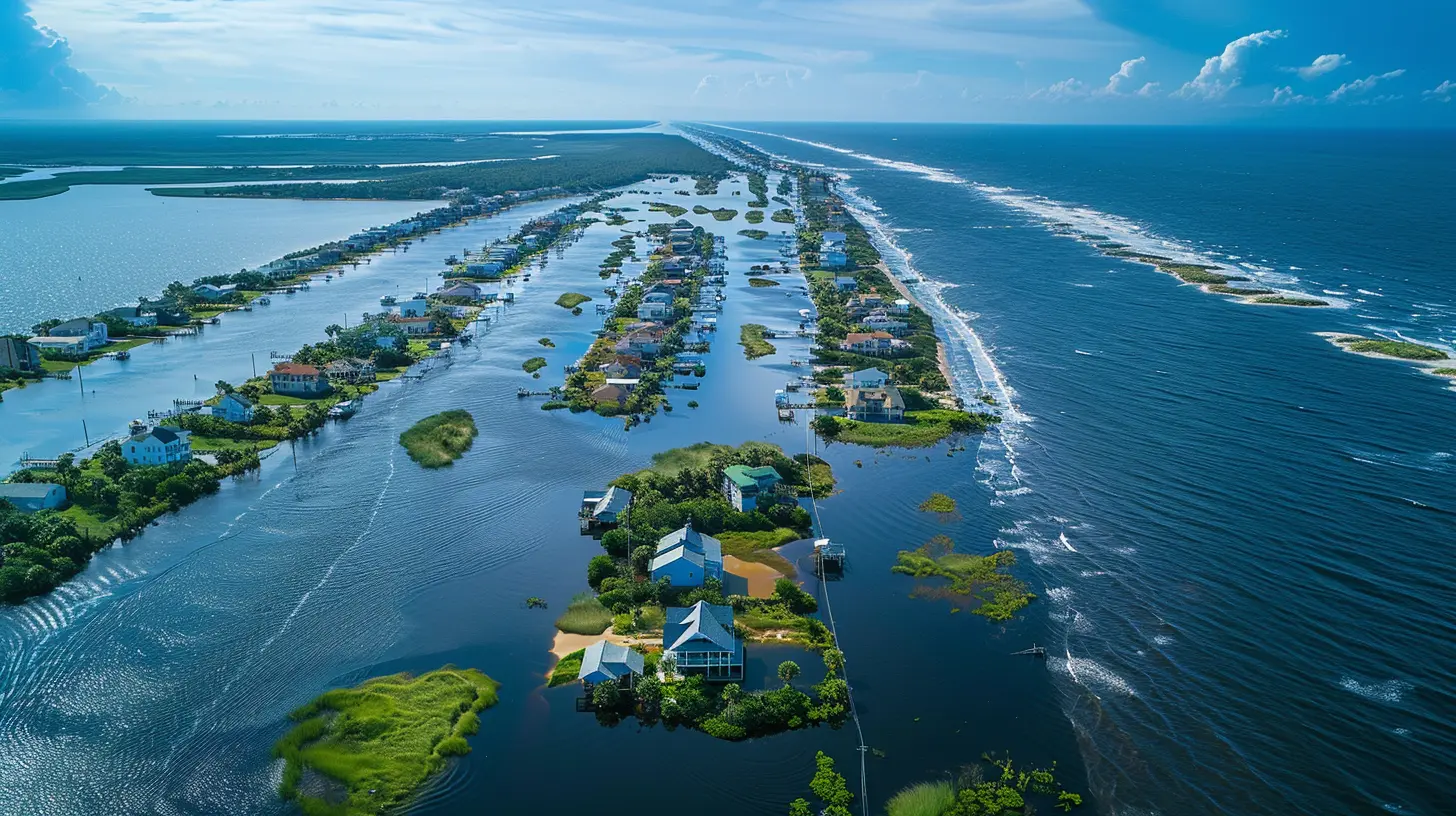
Storms Are Getting Meaner
It’s not just higher tides. Storms are turning into monsters.Hurricanes like Katrina, Sandy, Harvey, and Ian have shown us just how devastating extreme weather can be. And thanks to warmer oceans (which fuel storms), these events are expected to become more intense — not necessarily more frequent, but stronger and far more destructive.
For developers and property owners, that means higher insurance costs, more frequent repairs, and the haunting possibility of total loss. In some places, insurers are pulling out altogether, leaving homeowners to fend for themselves — or worse, unable to get coverage.
Let’s be real: would you want to pour your life savings into a home that might be underwater in 20 years? Or deal with the stress of rebuilding every time a major storm hits?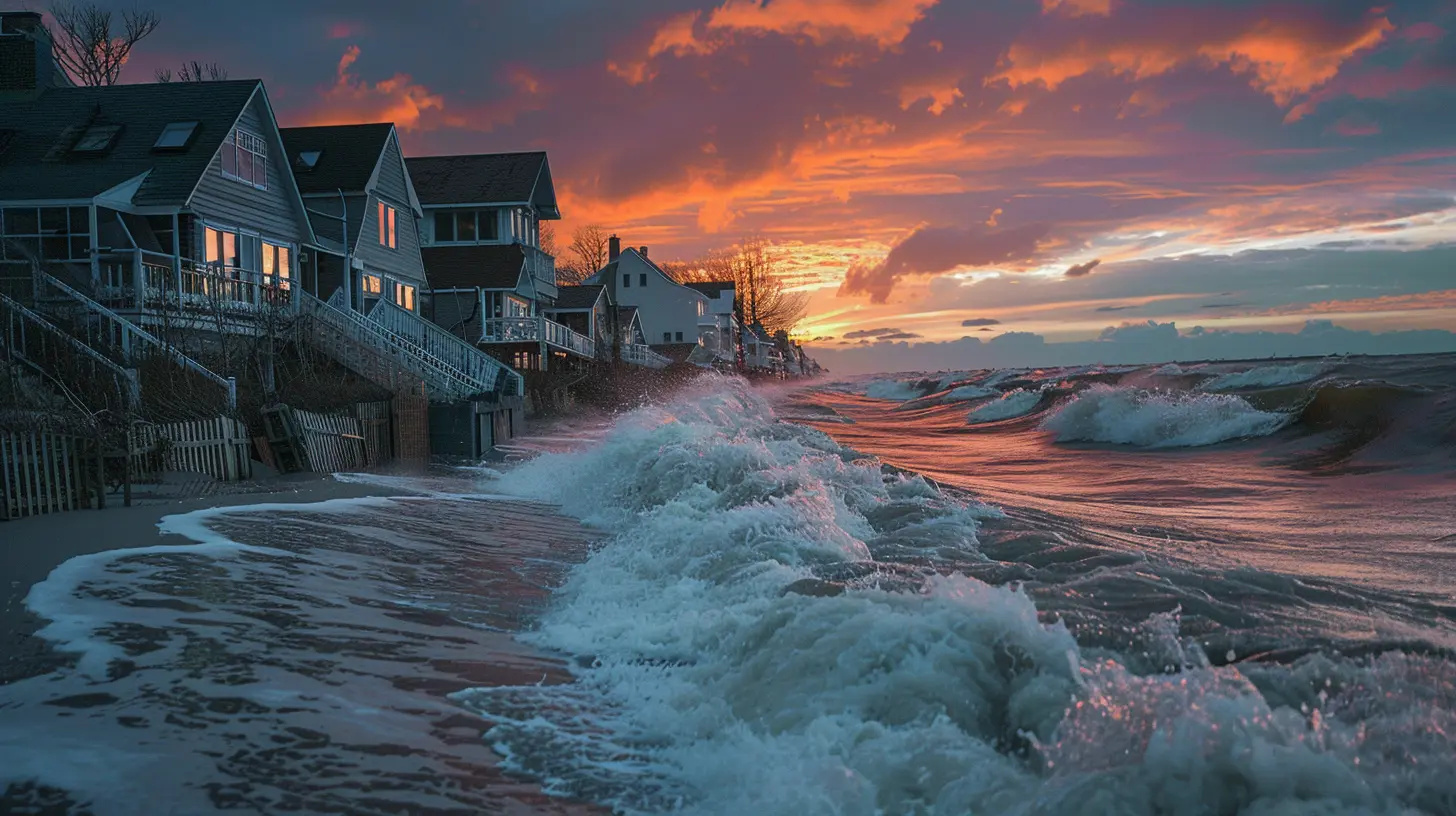
Erosion: The Silent Threat
Coastal erosion is one of those slow-burn issues that doesn’t always make headlines, but it’s incredibly damaging. Beaches retreating, property lines shrinking, homes literally falling into the ocean — yes, it’s happening.And unlike floodwaters, erosion doesn’t always go away. In fact, it’s often permanent. For developers, this creates a real dilemma: how do you build long-lasting, profitable properties when the land beneath them is literally disappearing?
Engineered solutions like seawalls and beach nourishment (dumping sand to rebuild beaches) are expensive and temporary. Nature, after all, tends to have the final say.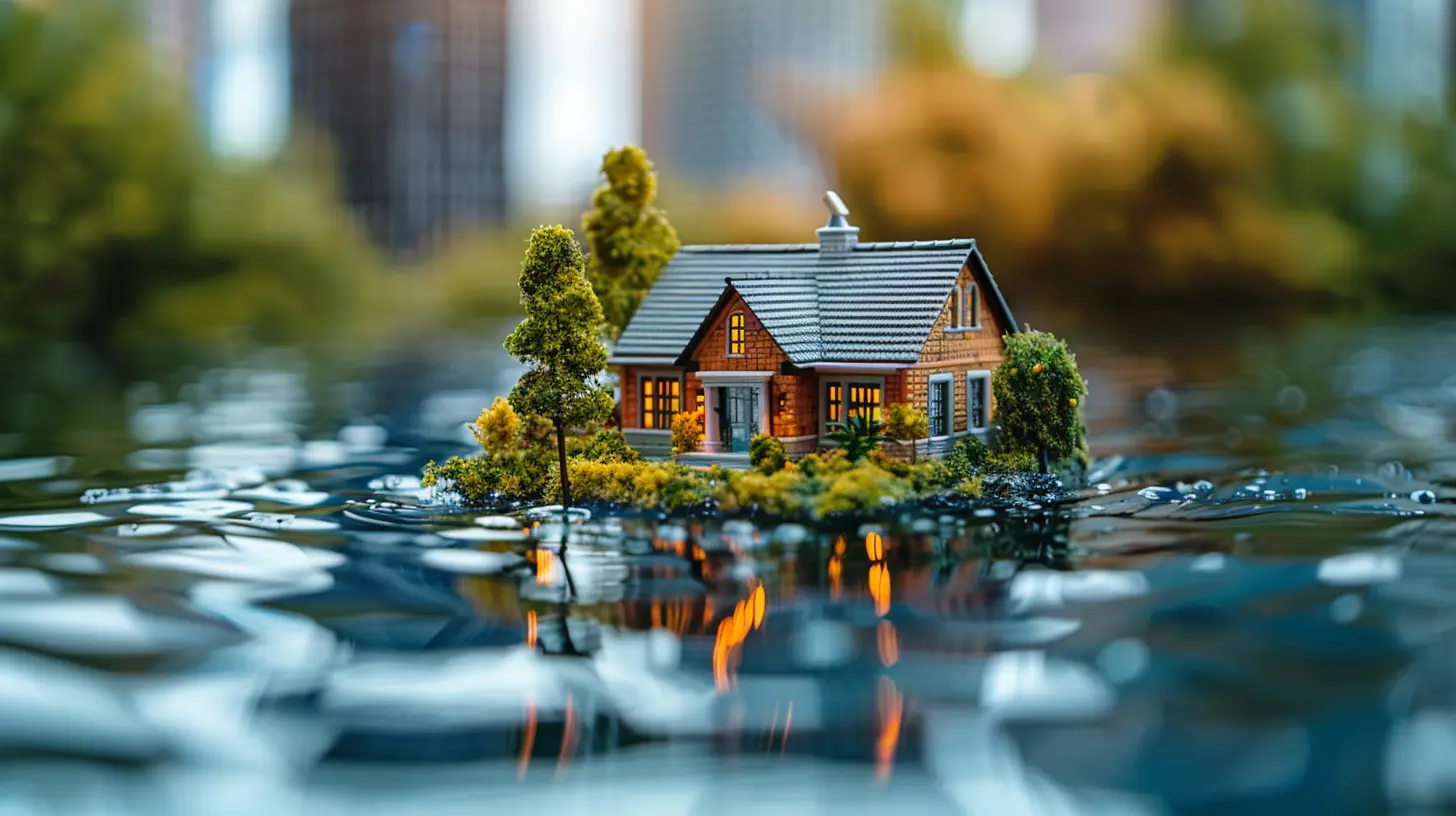
Climate Risk is Changing Market Values
Here’s something that might surprise you: coastal properties in high-risk areas are already starting to lose value. It’s subtle and varies by location, but data shows that homes with greater exposure to sea-level rise and flooding are appreciating more slowly — or even depreciating — compared to inland counterparts.Why? Because buyers, banks, and insurers aren’t turning a blind eye anymore. Savvy investors are factoring in climate risks before pulling the trigger. Mortgage lenders are scrutinizing flood zones and storm risks. And if a property is too risky, they may just say “nope.”
That means in some areas, high-end coastal real estate could be worth less than you think. It’s a tough pill to swallow, especially if you bought in before climate change was top of mind.
Regulatory Hurdles Are Getting Bigger
Want to build on the beach? Expect more red tape.As awareness grows, local governments and planning commissions are putting new rules in place — from stricter zoning laws to mandatory elevation standards. In some regions, there are even talks of “managed retreat,” where communities plan to move infrastructure and homes away from the coast over time.
While these regulations aim to protect people and property, they can make development more expensive and time-consuming. For developers, it’s a balancing act between creating desirable coastal assets and navigating a growing web of rules.
Innovation in Design and Construction
But it's not all doom and gloom — far from it. The real estate and construction industries are stepping up with some incredibly smart, forward-thinking solutions.We’re talking about flood-resistant buildings on stilts, floating homes, renewable energy integration, and even whole communities designed to absorb climate impacts. Architects and developers are leaning into sustainability, creating spaces that not only survive but thrive in the face of environmental change.
Innovation is cool — and necessary. It’s redefining what it means to live on the coast in the 21st century.
Insurance: A Changing Landscape
If you own coastal property, your insurance bill probably isn't cheap — and it’s likely only going up.Climate change is making it harder and pricier to get coverage. Some companies are pulling out of risky areas altogether, while others are raising premiums, tightening terms, or dropping flood coverage. The National Flood Insurance Program (NFIP) has also updated its risk rating system, which means many homeowners are now paying more.
For developers, this adds another layer of complexity. Projects must now be designed with risk mitigation in mind, and future buyers will want to know they’re protected. If insurance is unaffordable or unavailable, that could sink property values fast.
Environmental Justice and Equity
Here’s an angle that doesn’t get talked about enough: not everyone is equally affected.Wealthier coastal communities may have the resources to build higher, stronger homes or fund protective infrastructure. But lower-income neighborhoods often lack the same tools. They’re more vulnerable to displacement, property loss, and the ripple effects that come with climate disruptions.
Real estate development must account for this. It’s not just about profit — it’s about doing the right thing. Creating equitable, resilient communities should be a priority, not an afterthought.
Adapting to a New Normal
Let’s face it: climate change isn’t a theory or a future problem — it’s our current reality. And while it’s tempting to look away, especially when beachfront property has such romantic appeal, the smartest thing we can do is face the facts and adapt.So what does that mean for coastal real estate development?
It means building with climate in mind. Elevating homes. Using resilient materials. Considering community infrastructure. Thinking long-term. It’s about balancing beauty with practicality and profit with risk.
Yes, the landscape is shifting — literally and figuratively — but that doesn’t mean the coastal dream is dead. It just means we have to be smarter, savvier, and more responsible moving forward.
What Investors & Buyers Can Do
Thinking about buying a piece of paradise? Here's how you can be proactive:- Check flood maps and elevation data. Don’t just trust a sales pitch — look at the facts.
- Ask hard questions about insurance. Can you get it? Is it affordable? What does it cover?
- Think long-term. Will this home still be valuable — or livable — in 20 or 30 years?
- Look for climate-smart developments. Some communities are already leading the way.
- Keep resale in mind. Future buyers will care about climate risks even if you don’t (yet).
If you’re a developer, it’s time to lead the charge on sustainable coastal living. Not only is it ethical — it’s increasingly essential for market survival.
The Bottom Line
Climate change is putting coastal real estate under a microscope — and it's raising big questions about where and how we build. Rising seas, stronger storms, insurance headaches, and changing property values are all part of the puzzle.But with the right strategies, tools, and mindset, there’s still a future for coastal living. It might look different than the past, but maybe that’s a good thing. After all, change isn’t always bad — it’s how we grow.
So, if you're eyeing the coast, go in with eyes wide open. Think smart. Build smarter. And always, always consider the tides — both literal and metaphorical.
all images in this post were generated using AI tools
Category:
Real Estate DevelopmentAuthor:

Mateo Hines
Discussion
rate this article
1 comments
Jaxon Williams
Oh great, more ocean views... if you like swimming in your basement!
June 24, 2026 at 3:17 AM
Mateo Hines
I get your point. The rising sea levels are a serious concern for coastal properties and their future.