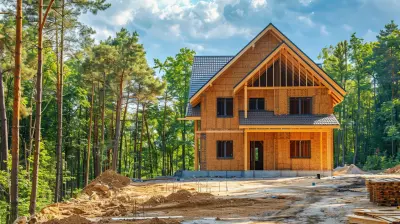
Why Location Is Even More Critical in New Construction Real Estate
13 April 2026
When it comes to real estate, there’s an old saying: "Location, location, location." And let’s be honest—it’s one of the few clichés that actually holds weight. But if you think location is just about picking a nice neighborhood, think again! It becomes even more critical when you're investing in new construction.
Why? Because when you build from scratch, you aren't just choosing a home—you’re choosing the future of that home. The surroundings, amenities, accessibility, and even climate impact not only your day-to-day living but also your home’s long-term value.
So, grab a cup of coffee (or wine, no judgment), and let’s break down why location is the ultimate game-changer in new construction real estate. 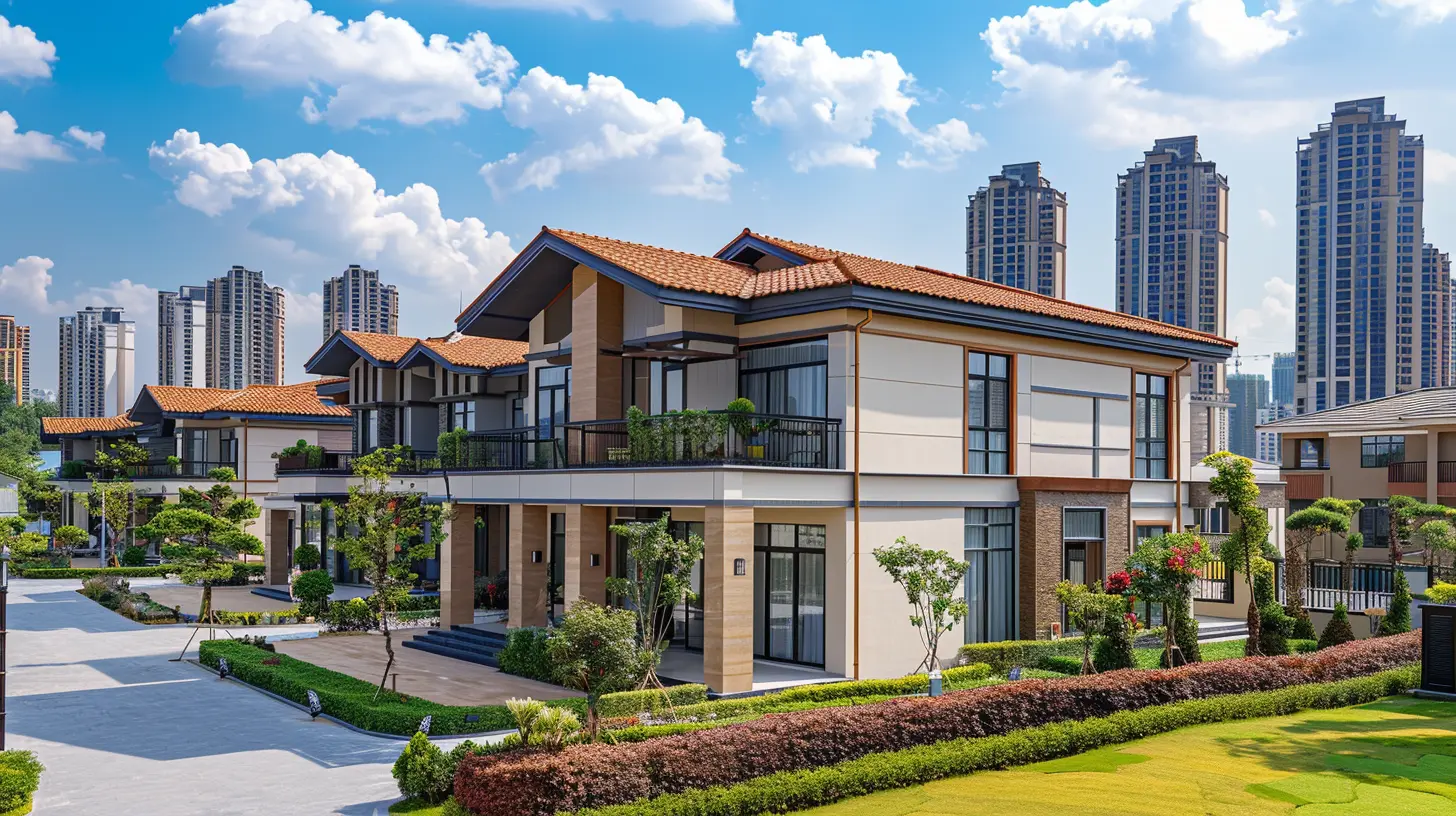
1. The Neighborhood Dictates Value and Appreciation
When you buy an existing home, you can study the neighborhood’s past trends. But when you're investing in new construction, you’re essentially making a bet on the future of the area—its growth, demand, and potential appreciation.- Emerging neighborhoods can offer affordability and high ROI, but they also carry more risk. Will they develop into thriving communities or remain stagnant?
- Well-established areas provide stability and prestige but often come with a hefty price tag.
If there’s one thing certain about real estate, it’s that location can make or break your investment. An amazing house in a bad area? Bad investment. An average house in an up-and-coming neighborhood? Goldmine. 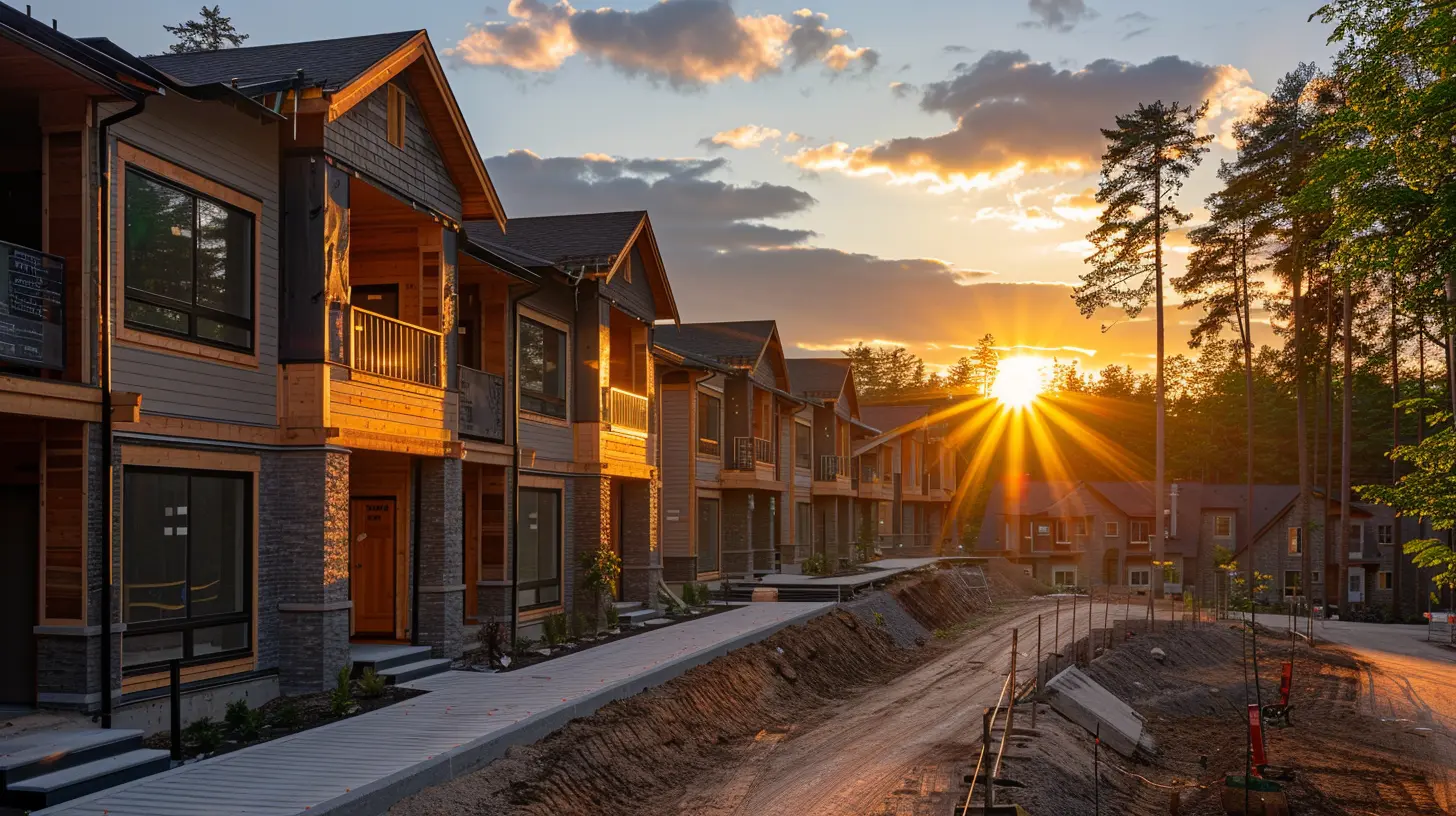
2. Convenience is King: Commutes, Amenities, and Lifestyle
Imagine building your dream home… only to realize the nearest grocery store is 30 minutes away. Or that your daily commute turns into a soul-crushing two-hour ordeal.Sounds like a nightmare, right? That’s why location is everything.
Things to consider:
- Commute times – How far is your workplace? Will traffic be a daily struggle?- Proximity to necessities – Grocery stores, hospitals, banks—how easily can you access them?
- Lifestyle perks – Parks, gyms, entertainment options—do they align with how you live your life?
A dream home loses its charm quickly if it’s in a frustratingly inconvenient spot. 
3. School Districts Can Make or Break Home Values
Even if you don’t have kids, school districts matter. Why? Because families with children are massive buyers in real estate.Good school districts boost home values, while bad ones? Well, they do the opposite.
What’s the takeaway?
- Homes in great school districts sell faster and for higher prices.- Even if you don’t have kids, a home in a quality district will be easier to resell.
- A poor school district might offer you a lower price now, but it could hinder future appreciation.
So, before you break ground on your new home, check the school ratings. It could be the silent factor determining your home's long-term success. 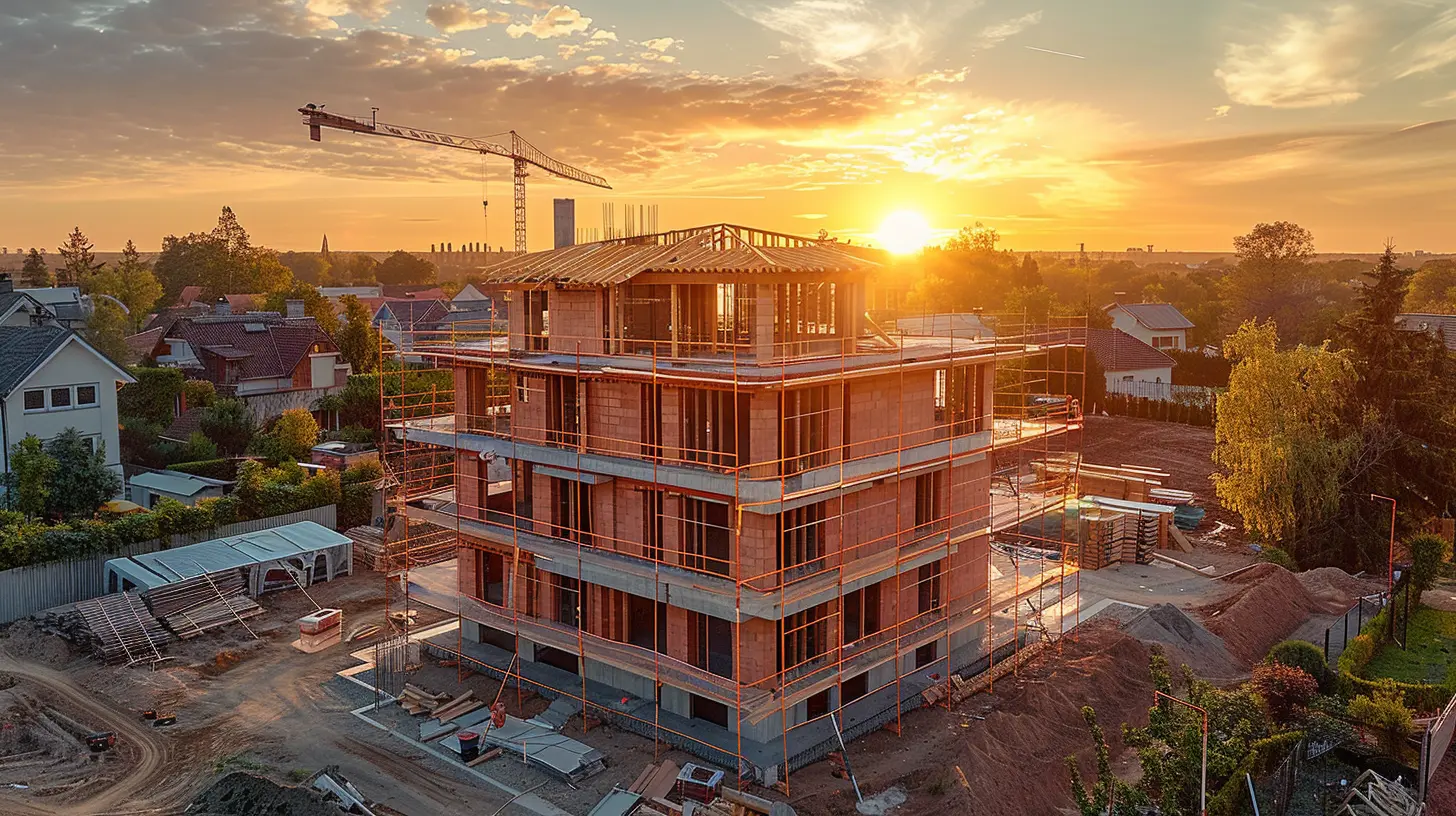
4. Infrastructure and Future Development Plans
Wouldn’t it be frustrating to move into your brand-new home only to find out that a highway is being built in your backyard next year?New construction areas are constantly evolving—which can either work in your favor (new parks, schools, and shopping centers) or against you (unwanted developments, increased traffic).
How to stay ahead:
- Research city and county planning departments for upcoming projects.- Look at major employers moving to the area (Amazon fulfillment centers, tech hubs, etc.).
- Consider potential zoning changes that could impact property values.
Betting on the future of an area is a risky business, but if you do your homework, you can ride the wave of development to great returns.
5. Climate and Environmental Factors
Climate plays a bigger role in real estate than people think. Sure, everyone wants sunshine and palm trees, but have you considered:- Flood zones? Homes in flood-prone areas require expensive insurance.
- Wildfire risks? Some regions carry high hazard classifications that come with skyrocketing insurance premiums.
- Weather extremes? Tornadoes, hurricanes, or extreme cold may affect your maintenance costs.
If you’re building new, check the environmental factors first. The last thing you want is to fall in love with a location only to realize it’s in a high-risk floodplain that costs $$$ in insurance.
6. Safety and Crime Rates
Let’s be real—no one wants to invest in a brand-new home only to feel unsafe living in it. Crime rates significantly impact home values and desirability.Before committing to a location, ask yourself:
- What are the crime statistics for the area?- Is the neighborhood well-lit and patrolled?
- Are break-ins and property crimes common occurrences?
You can have the most stunning house ever, but if safety is a concern, its value will suffer and so will your peace of mind.
7. Resale Potential: Thinking Ahead
Even if you think this will be your "forever home," life happens. Jobs change, families grow, and priorities shift. That’s why it’s crucial to consider how easy it will be to resell your house.What makes a home easy to sell?
- A desirable location (good schools, amenities, low crime).- Limited competition in the market (over-saturated areas can make selling tough).
- Strong community appeal, especially for families.
A house in a prime location will always be in high demand—meaning you hold the power when it’s time to put it on the market.
8. The "Fun Factor" – What’s There to Do?
Even the most stunning home can’t make up for a boring location. People want things to do! A perfect location blends convenience with entertainment.Think about:
- Restaurants and cafes – Because sometimes, you just need good food without cooking.
- Recreational activities – Hiking trails, lakes, or even just a nice park for evening strolls.
- Cultural and social events – Farmers’ markets, live music, and festivals make life more enjoyable.
A good location isn’t just about the house—it’s about the lifestyle it offers.
9. Public Transportation and Accessibility
Not everyone wants (or can afford) to be car-dependent. Some locations thrive because they offer great public transportation options that make life easier.Key things to look for:
- Are there bus routes, subways, or train stations nearby?
- How walkable is the neighborhood?
- Is Uber/Lyft easily accessible in the area?
A well-connected area enhances convenience and keeps demand high—which is great for both your quality of life and home value.
Final Thoughts
Picking the right location for your new construction home is more than just looking for a pretty street—it’s about future-proofing your investment.- Want to build equity fast? Pick an area poised for growth.
- Prioritize convenience and lifestyle? Choose a place with schools, amenities, and entertainment nearby.
- Thinking about resale value? Go for safety, desirability, and accessibility.
At the end of the day, you can change almost anything about a house—but you can’t change its location.
So, choose wisely!
all images in this post were generated using AI tools
Category:
New ConstructionAuthor:

Mateo Hines
Discussion
rate this article
2 comments
Ulrich McMurtry
Location dictates long-term value.
April 19, 2026 at 12:56 PM
Mateo Hines
Absolutely, location plays a key role in long-term value. It influences demand, accessibility, and quality of life, all of which drive investment appeal.
Peregrine Yates
Prime locations boost value and demand in new builds.
April 14, 2026 at 3:01 AM
Mateo Hines
Absolutely, prime locations are key. They not only enhance property value but also attract more buyers, making new constructions more desirable.