The ROI of Energy-Efficient Renovations for Homeowners
31 August 2026
There is a moment every homeowner knows well. You open the utility bill, blink twice, and wonder if the electric company made a typo. Then you remember the drafty windows, the attic that feels like a sauna in July, and the water heater that groans like it is about to retire. That is the moment you start thinking about energy-efficient renovations. But before you sign a contract or swipe a credit card, you need to ask a simple question: will this actually pay off?
The short answer is yes, but not always in the way you expect. The longer answer involves payback periods, resale values, comfort, tax credits, and a few hard truths about how home improvements actually work. Let's dig into the real numbers and the real trade-offs.
What We Mean by Return on Investment
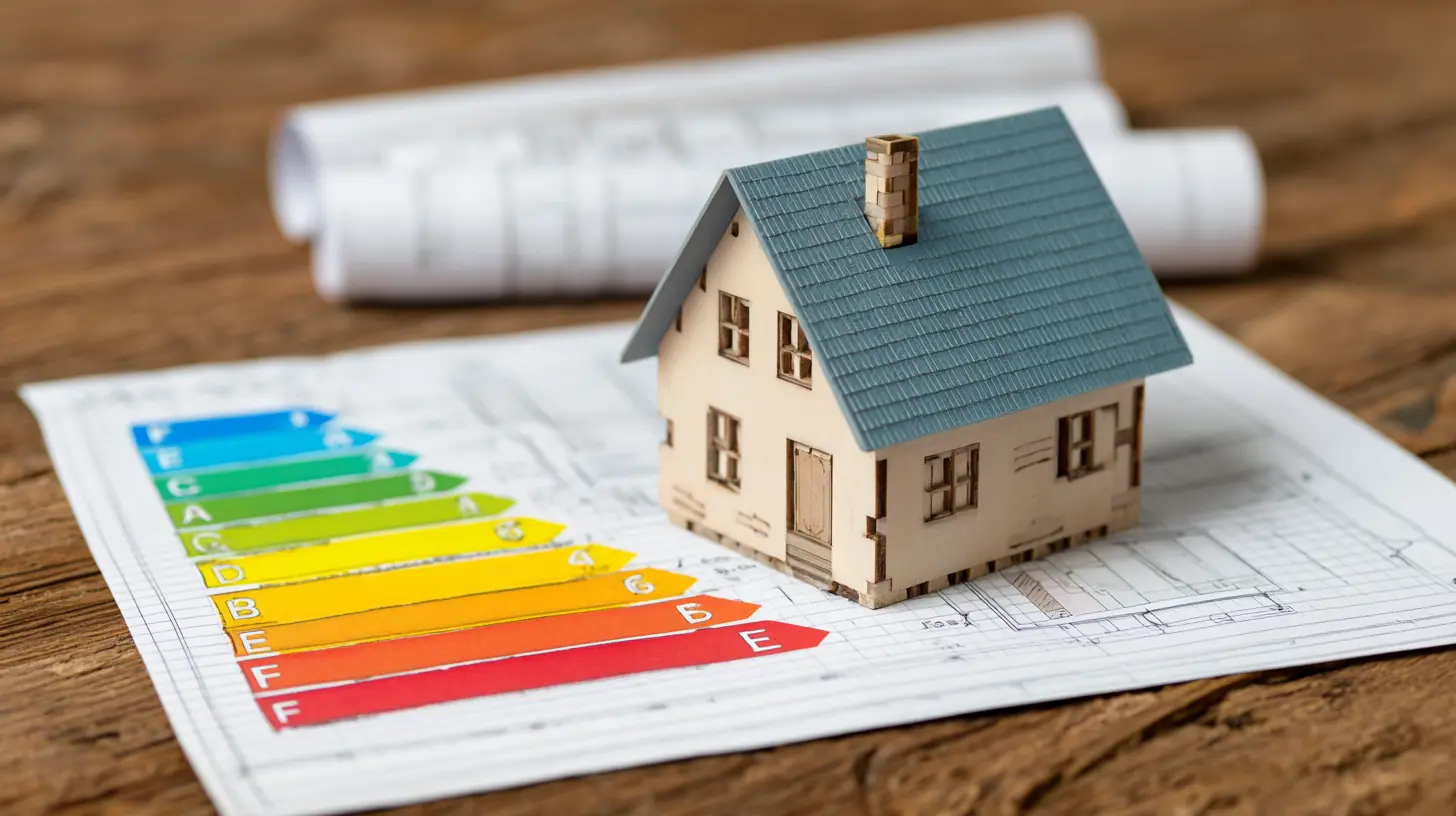
Return on investment, or ROI, in real estate is usually calculated as the increase in property value divided by the cost of the improvement. If you spend ten thousand dollars on a kitchen remodel and your home value goes up by twelve thousand, you have a 20 percent ROI. That is the classic way appraisers and real estate agents talk about it.But energy-efficient renovations do not always follow that simple formula. They have two separate returns. The first is the direct financial return from lower utility bills. The second is the indirect return from increased home value and marketability. Sometimes these two returns align. Sometimes they do not.
For example, a new high-efficiency furnace might cost eight thousand dollars. It might save you four hundred dollars a year in heating costs. That gives you a twenty-year payback period, which sounds terrible. But if the furnace also makes your home more attractive to buyers, and you sell after five years, you might recover most of the cost in the sale price. The ROI is not just about the energy savings. It is about the whole picture.

The Biggest Wins Come from the Building Envelope
If you want the best return on your money, start with the building envelope. That is the barrier between your conditioned indoor space and the outdoors. It includes insulation, air sealing, windows, and doors. These are the things that keep heat in during winter and out during summer.Attic insulation is the classic first move. It is relatively cheap, usually between fifteen hundred and three thousand dollars for a typical home, and it can reduce heating and cooling costs by 10 to 20 percent in many cases. The reason it works so well is simple physics. Hot air rises, and in winter, it escapes through the ceiling into the attic. In summer, the attic bakes in the sun and radiates heat down into the living space. A thick layer of insulation interrupts that flow.
Air sealing is even cheaper and often more impactful. You might spend five hundred to a thousand dollars sealing gaps around pipes, wires, recessed lights, and attic hatches. The payoff can be immediate. One homeowner I know sealed the gaps around his old chimney and his heating bill dropped by nearly a third in the following month. That is not typical, but it shows how much conditioned air can leak out of a house.
Windows are trickier. New double-pane, low-E windows look great and feel great, but they are expensive. A full window replacement on a mid-sized home can run fifteen to twenty-five thousand dollars. Energy savings alone will rarely justify that cost. The payback period is often twenty years or more. However, if your existing windows are single-pane, drafty, and fogging up between the panes, replacement is not just an energy decision. It is a maintenance and comfort decision. And when you sell, buyers notice new windows. They add curb appeal and reduce the "what else is broken?" anxiety.
Heating and Cooling Systems: The Comfort Factor
Your HVAC system is the biggest energy consumer in the house, usually accounting for about half of your utility bill. Upgrading an old, inefficient furnace or air conditioner to a modern high-efficiency model can cut that consumption by 20 to 40 percent.But here is the nuance. The ROI depends heavily on how old your current system is and how you pay for the upgrade. If your furnace is twenty-five years old and barely working, replacing it is not really an investment. It is a necessity. The energy savings are a bonus, not the primary reason for the expense.
If you are replacing a system that still works, you have to think about the marginal cost. A standard efficiency furnace might cost six thousand dollars. A high-efficiency model with a variable-speed blower might cost eight thousand. The extra two thousand dollars might save you two hundred dollars a year. That is a ten-year payback, which is actually pretty good for HVAC. But you have to be honest about how long you plan to stay in the house.
Heat pumps deserve special attention. They are essentially air conditioners that can run in reverse, providing heat in the winter. In mild climates, they are incredibly efficient, often delivering three to four units of heat for every unit of electricity they consume. In cold climates, modern cold-climate heat pumps can still work well down to about minus ten degrees Fahrenheit, though they lose efficiency as the temperature drops.
The ROI for a heat pump depends on your local electricity and gas prices. If you are switching from electric resistance heat, a heat pump can cut your heating costs by half or more. If you are switching from natural gas, the math is less clear. Gas is often cheaper per unit of heat than electricity, even with a heat pump's efficiency advantage. You have to run the numbers for your specific utility rates.

Water Heaters and Appliances: The Quiet Savers
Water heating is the second biggest energy expense in most homes, after space heating and cooling. A standard tank water heater lasts ten to fifteen years and slowly loses heat through the tank walls. A heat pump water heater, also called a hybrid water heater, uses electricity to move heat from the surrounding air into the water. It is two to three times more efficient than a standard electric tank.The upfront cost is higher, usually fifteen hundred to twenty-five hundred dollars installed, compared to eight hundred to twelve hundred for a conventional electric tank. But the annual savings can be three to four hundred dollars. That gives a payback period of three to five years in many cases, especially if you have a family that uses a lot of hot water.
One catch is that heat pump water heaters need space. They pull heat from the air around them, so they work best in an unconditioned basement or garage with some volume. If you have a tiny mechanical closet, the unit will struggle and may not perform as expected. Also, they are noisier than standard tanks, which matters if the water heater is near a living area.
Appliances like refrigerators, dishwashers, and washing machines have improved dramatically in efficiency over the last two decades. But the ROI on replacing a working appliance is almost never positive. A new refrigerator might save you fifty to a hundred dollars a year in electricity. If it costs fifteen hundred dollars, that is a fifteen-year payback. You are better off keeping the old one until it dies, unless it is ancient and consuming two or three times as much energy as a new model.
Solar Panels: The Big Bet
Solar panels are the most visible and most discussed energy upgrade. They also have the most variable ROI. The cost of solar has dropped dramatically over the past decade, and federal tax credits can cover 30 percent of the installation cost. In many states, net metering allows you to sell excess electricity back to the grid, which can make the system pay for itself in six to ten years.But solar is not a guaranteed win. It depends on your roof orientation, shading, local electricity rates, and the specific incentives in your state. If you have a south-facing roof with no shade, high electricity rates, and good net metering, solar can be an excellent investment. If you have a north-facing roof, heavy tree cover, or low electricity rates, the payback period stretches out to fifteen years or more.
There is also the question of what solar does to your home value. Studies have shown that homes with solar panels sell for a premium, but the premium varies. In some markets, buyers love solar and will pay extra. In others, they view it as a maintenance liability or an eyesore. If you plan to sell within five years, you need to research your local market carefully.
Another consideration is the lease versus purchase decision. Leasing solar panels can give you immediate savings with no upfront cost, but it complicates a home sale. Buyers may be reluctant to take over a lease, and some will walk away entirely. If you buy the system outright, you own the asset and can either sell it with the house or include it in the price. Buying is almost always better for ROI, assuming you can afford the upfront cost.
The Hidden ROI: Comfort, Health, and Durability
Too many homeowners focus only on the dollar signs and miss the bigger picture. Energy-efficient renovations often improve comfort in ways that are hard to quantify. A well-insulated house has fewer drafts and more consistent temperatures from room to room. That means no more freezing in the home office while the living room is toasty. It means the upstairs bedrooms are not sweltering in the summer while the basement feels like a cave.There is also a health component. Air sealing and proper ventilation reduce the infiltration of outdoor pollutants, pollen, and moisture. In humid climates, better insulation and air sealing can prevent mold growth. In cold climates, they reduce the risk of ice dams on the roof, which can cause expensive water damage.
Durability is another overlooked factor. When you add insulation and air sealing, you reduce the stress on your HVAC system. It runs less often and for shorter cycles, which extends its lifespan. A water heater that does not have to work as hard will last longer. A roof that stays cooler in summer due to better attic ventilation will age more slowly. These are not direct cash savings, but they reduce the frequency and cost of major repairs.
Common Mistakes That Destroy ROI
The biggest mistake homeowners make is skipping the basics and going straight to the sexy stuff. You see someone install a fifteen-thousand-dollar geothermal system but leave their attic insulation at R-11. That is like buying a sports car and putting bicycle tires on it. The energy savings will be disappointing because the house is still leaking air and heat.Another mistake is over-improving for the neighborhood. If every house on your street is a modest three-bedroom ranch, and you spend forty thousand dollars on high-end solar, triple-pane windows, and a smart home energy system, you will not get that money back at resale. Buyers in that neighborhood are not looking for a net-zero mansion. They are looking for a comfortable, affordable home. The most valuable upgrades are the ones that bring your house in line with or slightly above the neighborhood standard, not way above it.
Misunderstanding payback periods is also common. Homeowners hear that a certain upgrade has a seven-year payback and assume that means they will break even in seven years. That is only true if they stay in the house for seven years and if energy prices stay constant. If they sell in three years, they will not recoup the full cost unless the home value increase covers it. You have to match the payback period to your expected time in the house.
Finally, many people ignore maintenance. A high-efficiency furnace with a dirty filter runs longer and uses more energy than a standard furnace with a clean filter. Solar panels covered in dust produce noticeably less electricity. A heat pump water heater with a neglected condensate drain will stop working efficiently. The ROI calculations assume you will maintain the equipment. If you do not, the numbers fall apart.
When to Hire a Professional and When to DIY
Some energy upgrades are perfect for a weekend warrior. Adding weatherstripping around doors, sealing gaps with caulk, installing a programmable thermostat, and adding insulation to an accessible attic are all DIY-friendly projects. The materials are cheap, the risk of error is low, and the savings are immediate.Other projects require a professional. Blown-in insulation for walls, duct sealing, HVAC replacement, and solar installation all involve specialized equipment and safety considerations. Attempting these yourself can lead to poor performance, voided warranties, and even safety hazards. A poorly installed heat pump can short-cycle and fail within a year. A miswired solar array can start a fire.
The best approach is to start with a professional energy audit. A certified auditor will use a blower door test to measure air leakage, an infrared camera to find insulation gaps, and a combustion safety test to check for carbon monoxide leaks. The audit will give you a prioritized list of upgrades based on your specific home, not generic advice from a blog post. The cost is usually three to five hundred dollars, and it is the single best investment you can make before spending money on renovations.
The Real-World Example That Puts It All Together
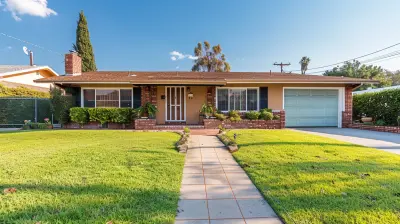
Let me walk you through a realistic scenario. Imagine a 1,800-square-foot ranch house built in 1985. The roof is fine, but the attic has only six inches of fiberglass insulation. The windows are original, single-pane aluminum frames. The furnace is a 1990s model with a 70 percent efficiency rating. The water heater is a ten-year-old electric tank.The homeowner decides to do a phased renovation. First, they hire an auditor who finds significant air leakage around the attic hatch and the plumbing penetrations. They spend six hundred dollars on air sealing and add another twelve inches of blown-in insulation for fifteen hundred dollars. Their annual heating and cooling costs drop from two thousand dollars to fifteen hundred dollars. That is a five hundred dollar annual savings on a twenty-one hundred dollar investment, a payback of just over four years.
Next, they replace the furnace with a high-efficiency 96 percent model. The cost is seven thousand dollars after rebates. Their heating bill drops another three hundred dollars a year. The payback is about twenty-three years, which sounds bad. But the old furnace was on its last legs anyway. The replacement is a necessity, not a luxury. The energy savings soften the blow.
Finally, they install a heat pump water heater for two thousand dollars. It saves them three hundred dollars a year in electricity, a payback of under seven years. They skip the window replacement because the payback is too long, and instead they add storm windows for eight hundred dollars. The storms reduce drafts and cut another hundred dollars a year from heating costs.
Total investment is about eleven thousand dollars. Total annual savings is about twelve hundred dollars. That is an 11 percent annual return on investment, which beats the stock market average. And when they sell the house five years later, they can point to the new furnace, the efficient water heater, the insulated attic, and the storm windows. The home appraises for eight thousand dollars more than comparable homes in the area because of these upgrades. The total financial return is the twelve hundred dollars a year in savings plus the eight thousand dollar appraisal bump, minus the eleven thousand dollar cost. Over five years, that is a net gain of three thousand dollars, plus the comfort and peace of mind.
The Verdict on ROI
Energy-efficient renovations are not a get-rich-quick scheme. They are a slow, steady way to reduce your living costs and increase your home's value, provided you choose the right projects for your specific situation.The best ROI comes from air sealing and insulation, followed by efficient water heating, then HVAC upgrades, and finally solar and windows. The worst ROI comes from replacing working appliances, over-improving for your neighborhood, and skipping the audit in favor of guesswork.
The key is to think of these renovations as a portfolio. Some projects pay off quickly, like air sealing. Some pay off slowly, like a new furnace. Some pay off indirectly, like improved comfort and durability. You want a balanced mix that fits your budget and your timeline.
If you plan to stay in your home for ten years or more, almost any energy-efficient upgrade will eventually pay for itself. If you plan to move in three years, focus only on the cheap, high-impact fixes like insulation and air sealing, and skip the expensive systems. If you are somewhere in between, run the numbers honestly, factor in maintenance, and remember that comfort has value even if it does not show up on a spreadsheet.
The bottom line is that energy-efficient renovations are one of the few home improvements that can save you money while you live in the house and then pay you again when you sell. That is a rare double win. Just do your homework, hire good help, and do not believe the hype that every upgrade is a money printer. Some are. Some are not. The ones that are, are the ones that fix the fundamentals first.
all images in this post were generated using AI tools
Category:
Home Energy EfficiencyAuthor:

Mateo Hines
Discussion
rate this article
2 comments
Alisha Schultz
Investing in energy-efficient renovations is a smart move for homeowners. Not only do these upgrades reduce utility bills, but they also enhance property value and appeal. In a competitive market, energy efficiency is a strong selling point that pays off in the long run.
September 10, 2026 at 3:10 AM
Grant McElveen
Investing in energy-efficient renovations not only reduces bills but also boosts property value and attracts buyers.
August 31, 2026 at 11:15 AM
Mateo Hines
Absolutely! Energy-efficient renovations are a smart investment that pay off in both savings and increased property appeal.