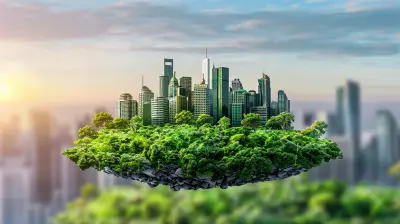
The Role of Builders in Shaping Urban Development
9 June 2026
Urban development is more than just constructing buildings and laying roads—it’s about creating vibrant communities where people live, work, and thrive. At the heart of this transformation are builders, the unsung heroes who turn architectural blueprints into bustling cities.
From towering skyscrapers to cozy suburban neighborhoods, builders play a crucial role in designing and developing the spaces we call home. But their impact goes beyond bricks and mortar. They influence economic growth, sustainability, and even the lifestyle of urban dwellers.
So, how exactly do builders shape urban development? Let’s dive deep into their role and understand why they are pivotal to a city’s evolution.
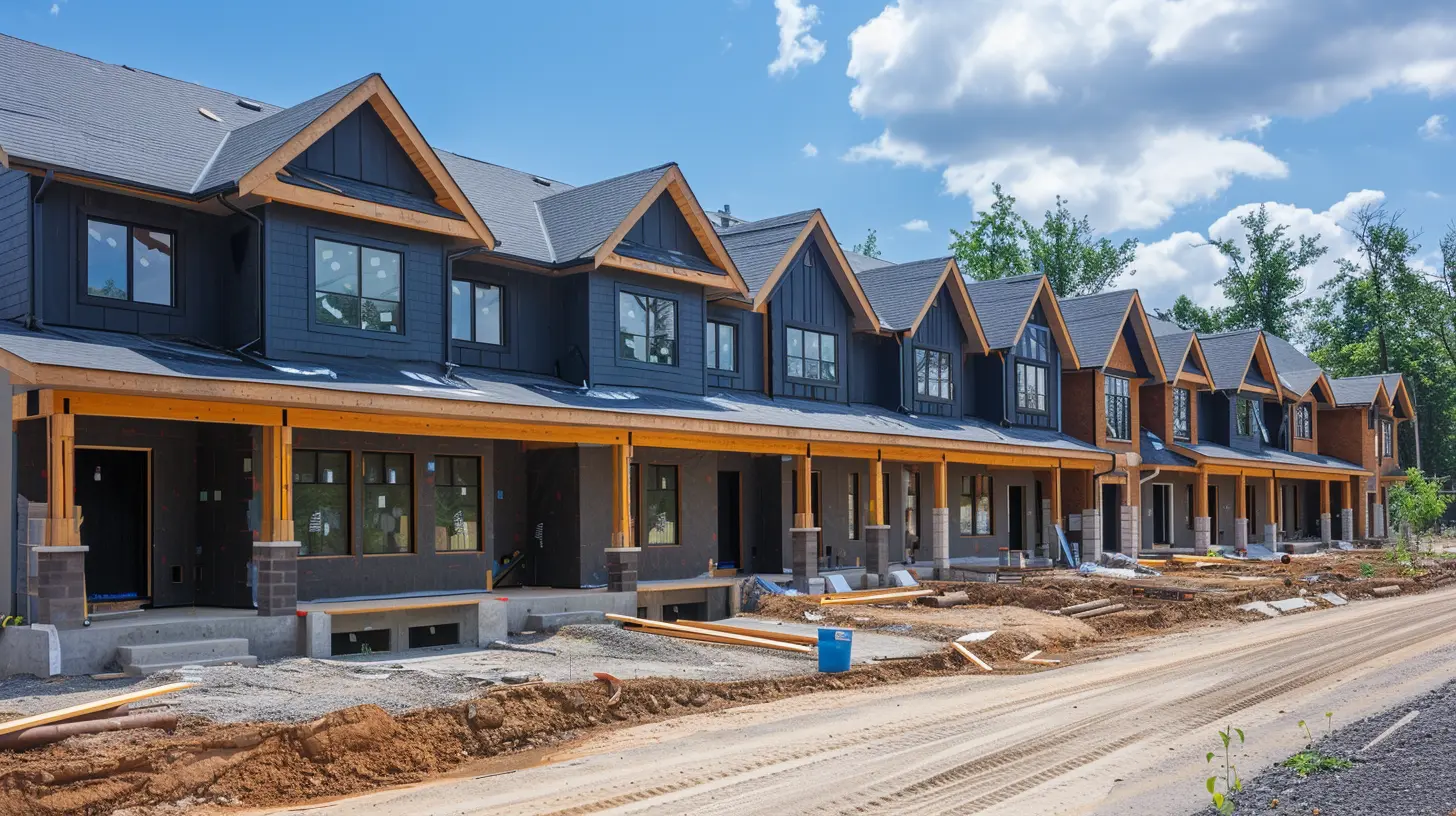
Understanding Urban Development
Before we get into the role of builders, it’s essential to grasp what urban development really means. It goes beyond just expanding city limits—it’s about creating inclusive, sustainable, and efficient communities.Urban development encompasses infrastructure, housing, public spaces, and commercial projects. It focuses on accommodating growing populations while ensuring a high quality of life. And who's at the forefront of this? Builders.
Builders as the Backbone of Urban Growth
1. Creating Infrastructure That Supports Growth
A city without proper infrastructure is like a car without wheels—it simply won’t go far. Builders are responsible for constructing the roads, bridges, tunnels, and highways that keep the city moving.Public transport systems, airports, and train stations all rely on skilled builders to function effectively. Without their expertise, cities would struggle to keep pace with economic and population growth.
2. Shaping Residential Landscapes
Urban expansion means more housing. Builders construct homes, apartments, and high-rises that cater to a city’s growing housing needs. They work closely with architects and urban planners to create modern, functional spaces that suit people’s lifestyles.Builders also influence housing trends by adopting innovative designs, maximizing space, and incorporating sustainable materials. Ever noticed how cities today have more eco-friendly apartments and smart homes? You can thank builders for that.
3. Driving Commercial and Economic Development
A city’s economy thrives on businesses, and businesses need space to operate. Builders develop office buildings, shopping centers, and entertainment hubs that fuel economic activity.Take any major metropolitan city—New York, Dubai, or London. The towering skyscrapers dominating their skylines weren’t built overnight. Builders played a key role in transforming these cities into economic powerhouses.
In short, if businesses are the heart of a city, then builders are the foundation that keeps it strong.

The Influence of Builders on Sustainability
Sustainable urban development is no longer a luxury—it’s a necessity. With climate change concerns rising, builders have had to rethink traditional construction methods.4. Incorporating Green Building Practices
Today, builders are increasingly adopting eco-friendly techniques such as:- Using recycled and locally sourced materials
- Implementing energy-efficient designs
- Constructing buildings with renewable energy sources (solar panels, wind turbines)
- Maximizing natural lighting and ventilation
Green buildings not only reduce carbon footprints but also lower energy costs for residents and businesses. In the long run, this contributes to a healthier, more resilient urban environment.
5. Developing Smart Cities
Technology is reshaping urban landscapes, and builders are adapting accordingly. Smart cities use data and technology to improve infrastructure, enhance transportation, and optimize energy consumption.Builders are now incorporating:
- Smart sensors for water and energy management
- Automated waste disposal systems
- IoT-integrated buildings for better security and efficiency
The result? Cities that are more connected, efficient, and future-ready.
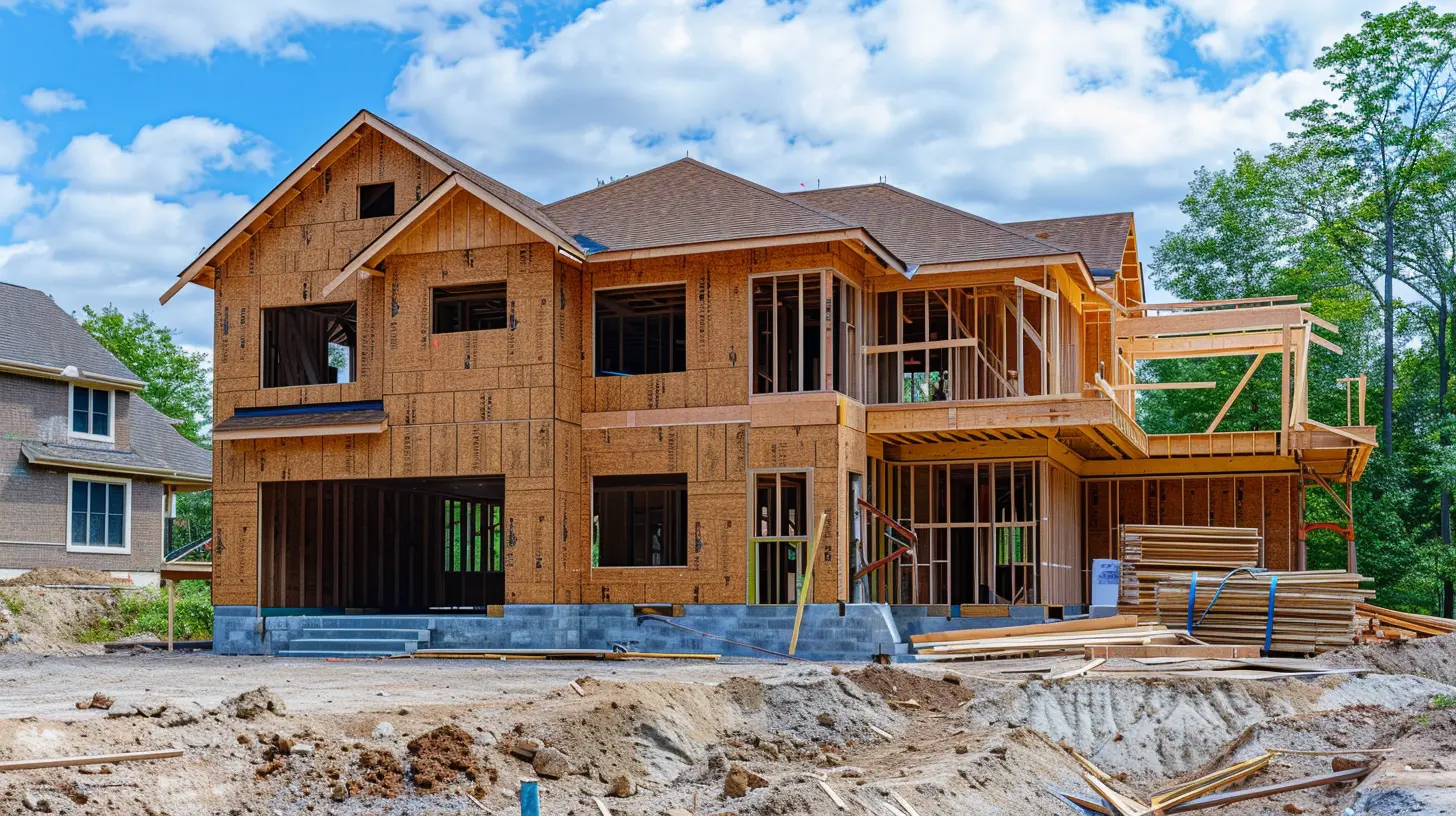
Challenges Faced by Builders in Urban Development
While the role of builders is crucial, it’s not without its challenges. Urban development comes with its fair share of obstacles.6. Land and Space Constraints
As cities grow, available land becomes scarcer. Builders must find innovative ways to maximize space—think vertical expansion, underground developments, and mixed-use buildings.7. Regulatory and Zoning Laws
Building regulations can be complex and vary from city to city. Builders must navigate zoning laws, environmental policies, and safety standards to ensure compliance. One misstep in legalities can result in costly delays or even project cancellations.8. Rising Construction Costs
Material costs, labor wages, and transportation expenses are constantly fluctuating. Builders often have to balance quality with budget constraints while ensuring projects remain profitable.9. Sustainability vs. Affordability
While sustainable construction is the future, it often comes at a higher upfront cost. Builders need to strike a balance between eco-friendly practices and affordability to make green living accessible to all.The Future of Urban Development and Construction
What does the future hold for urban development? If trends are anything to go by, we’re heading towards smarter, greener, and more inclusive cities.10. Rise of Modular and Prefabricated Construction
Prefabricated building techniques are revolutionizing construction. They allow builders to assemble structures off-site and transport them for installation—reducing waste, cutting costs, and speeding up projects.11. Emphasis on Mixed-Use Developments
Cities are moving toward integrated spaces where residential, commercial, and recreational facilities coexist. Mixed-use developments promote walkability, reduce traffic congestion, and foster community living.12. AI and Robotics in Construction
Automation is making its way into the construction industry. AI-driven machinery, drones, and robotics are improving efficiency, enhancing safety, and reducing manual labor dependency.
Conclusion
Builders are much more than just construction workers; they are the architects of urban evolution. Their role in shaping cities is profound, influencing everything from infrastructure to sustainability, economy, and technology.As urbanization continues at an unprecedented pace, the responsibility of builders will only grow. Their ability to innovate, adapt, and overcome challenges will determine how our cities look, function, and sustain themselves in the future.
So, the next time you walk down a city's streets, look around. Every towering skyscraper, every modern apartment, every well-planned public space—you have a builder to thank for it.
all images in this post were generated using AI tools
Category:
New ConstructionAuthor:

Mateo Hines
Discussion
rate this article
1 comments
Calaris McManus
Builders significantly influence urban growth.
June 16, 2026 at 3:24 AM
Mateo Hines
Absolutely, builders play a crucial role in urban development by shaping infrastructure and community spaces that foster growth and connectivity. Their decisions impact everything from housing availability to economic opportunities.