The Role of Local Incentives in Promoting Eco-Friendly Real Estate
12 November 2026
The real estate sector is undergoing a significant transformation as sustainability becomes a priority for both consumers and developers. Local incentives play a crucial role in this shift toward eco-friendly real estate. By understanding these incentives, stakeholders can make informed decisions that not only benefit the environment but also enhance property values and community well-being.
Understanding Local Incentives
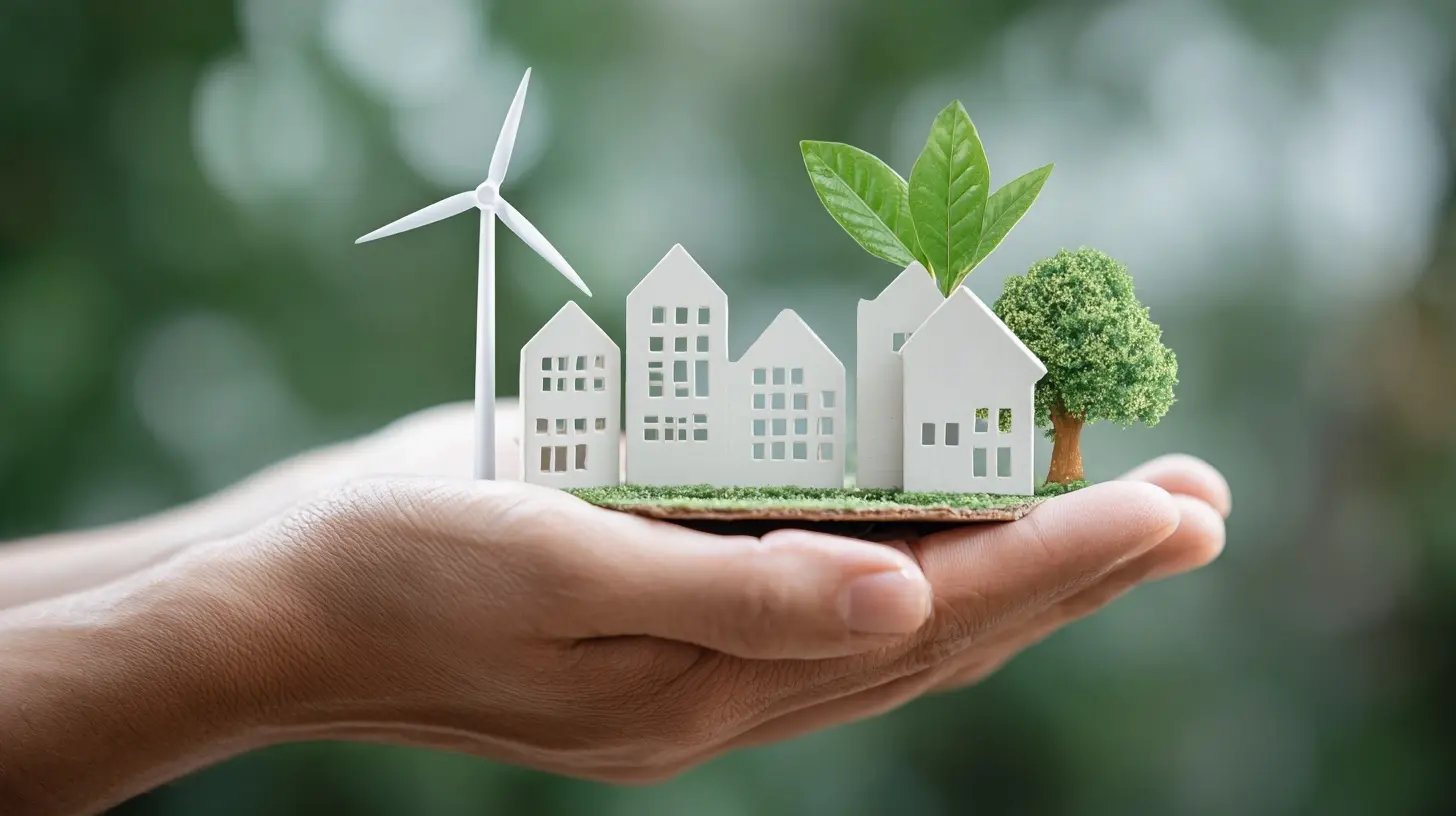
Local incentives are benefits provided by municipalities or local governments to encourage specific behaviors or investments. In the context of real estate, these incentives often aim to promote sustainability, energy efficiency, and environmentally friendly construction practices. They may come in various forms, including tax credits, grants, zoning variances, and expedited permitting processes.Types of Local Incentives
1. Tax Incentives: Many local governments offer property tax abatements or credits for buildings that meet certain green standards. For example, properties certified by the Leadership in Energy and Environmental Design (LEED) may qualify for reduced tax rates. These incentives can significantly lower operating costs for property owners, making eco-friendly options more financially appealing.2. Grants and Subsidies: Some municipalities provide direct financial assistance for eco-friendly renovations or new constructions. This can include funding for solar panel installations, energy-efficient HVAC systems, or sustainable landscaping. Such grants can offset initial investments, making green upgrades more accessible.
3. Zoning and Building Code Adjustments: Local governments may adjust zoning laws to allow for innovative sustainable practices. This could include permitting higher density in certain areas or allowing mixed-use developments that encourage walkability. Adjustments to building codes can also facilitate the use of sustainable materials and technologies.
4. Expedited Permitting: Streamlining the permitting process for eco-friendly projects can save time and money for developers. Reduced waiting times can be particularly appealing to those looking to invest in sustainable real estate, allowing them to bring projects to market more quickly.
The Importance of Local Context
The effectiveness of these incentives often depends on local context. Urban areas with a high cost of living may benefit more from tax incentives due to the significant financial burden of property taxes. Conversely, rural areas may find that grants and subsidies are more impactful in encouraging green development, given the unique economic challenges they face.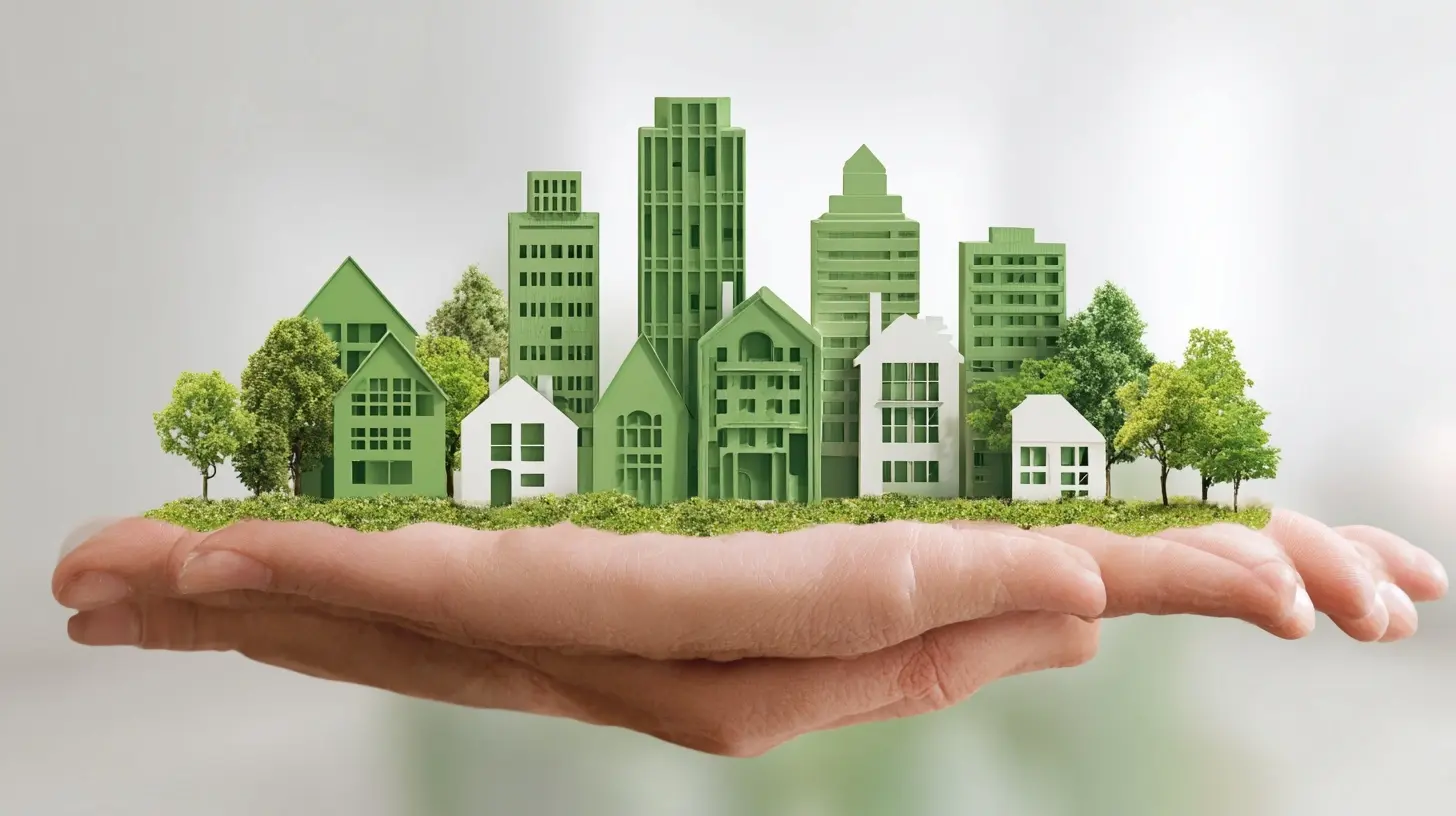
Benefits of Eco-Friendly Real Estate
Investing in eco-friendly real estate not only aligns with environmental goals but also offers tangible benefits for developers and property owners.Increased Property Value
Properties that prioritize sustainability often see an increase in value. Buyers are increasingly aware of the long-term cost savings associated with energy-efficient homes. Features such as solar panels, high-efficiency appliances, and sustainable building materials can make properties more attractive in a competitive market.Lower Operating Costs
Eco-friendly buildings typically incur lower utility costs due to energy-efficient designs and systems. This can lead to higher profit margins for landlords and a more affordable living situation for tenants. In many cases, the initial investment in green technology can be recouped through savings on energy bills over time.Enhanced Marketability
As consumers become more environmentally conscious, the demand for sustainable properties is on the rise. Developers who prioritize eco-friendly practices can differentiate themselves in the market, appealing to a demographic that values sustainability. This enhanced marketability can lead to quicker sales and higher occupancy rates.Community and Health Benefits
Eco-friendly real estate often contributes to healthier communities. Improved air quality, green spaces, and sustainable transportation options can enhance the quality of life for residents. developments that focus on sustainability can foster a sense of community, encouraging social interaction and engagement among residents.
Challenges and Misconceptions
While local incentives can significantly promote eco-friendly real estate, there are challenges and misconceptions that stakeholders must navigate.Initial Costs
One common misconception is that eco-friendly real estate is always more expensive to build. While certain sustainable technologies may have higher upfront costs, local incentives can mitigate these expenses. the long-term savings often outweigh initial investments. It is crucial for developers to conduct thorough cost-benefit analyses to understand the financial implications of their choices.Complexity of Regulations
Navigating local regulations can be complex. Developers may find it challenging to understand which incentives are available and how to qualify for them. Engaging with local government officials early in the planning process can help clarify requirements and streamline access to incentives.Market Demand Fluctuations
The demand for eco-friendly properties can fluctuate based on economic conditions and consumer preferences. While the current trend leans toward sustainability, it is essential to consider market dynamics. Developers should conduct market research to ensure there is a sustained interest in eco-friendly features.
Best Practices for Leveraging Local Incentives
To effectively utilize local incentives, stakeholders should consider the following best practices:Conduct Comprehensive Research
Before embarking on a project, developers should thoroughly research available local incentives. This includes understanding eligibility criteria, application processes, and potential financial impacts. Engaging with local government representatives can provide valuable insights into current policies and future trends.Build Community Relationships
Establishing strong relationships with local community organizations and stakeholders can enhance a project's success. Engaging with residents, local businesses, and environmental groups can provide valuable feedback and support for sustainable initiatives. These relationships can also facilitate smoother interactions with local government.Focus on Long-Term Benefits
While immediate financial incentives are important, stakeholders should also consider the long-term benefits of eco-friendly real estate. This includes potential increases in property value, reduced operating costs, and enhanced marketability. A long-term perspective can help justify initial investments in sustainable practices.Stay Informed on Policy Changes
Local incentives can change frequently based on political climates and funding availability. Staying informed about policy updates and shifts in local government priorities is essential for developers to adapt their strategies accordingly. Subscribing to local government newsletters or joining industry associations can help keep stakeholders informed.Real-World Examples
Several cities have successfully implemented local incentives to promote eco-friendly real estate, serving as models for other regions.San Francisco, California
San Francisco offers a range of incentives for sustainable building practices, including the Green Building Ordinance, which mandates green building standards for new construction. The city also provides financial incentives for energy-efficient upgrades and has streamlined the permitting process for projects that meet sustainability criteria. As a result, San Francisco has seen a significant increase in green building projects, contributing to its reputation as a leader in sustainability.Portland, Oregon
Portland has implemented a variety of programs to encourage eco-friendly real estate. The city offers property tax exemptions for new construction that meets specific green standards and provides grants for energy-efficient retrofits. Portland's commitment to public transportation and walkable neighborhoods has contributed to the success of sustainable developments, making eco-friendly options more appealing to residents.New York City, New York
New York City has launched several initiatives to promote sustainability in real estate, including the NYC Energy Conservation Code and the One City: Built to Last program. These initiatives provide financial incentives for energy-efficient upgrades and set ambitious goals for reducing greenhouse gas emissions. The city's approach has led to a surge in green retrofits and new eco-friendly developments, showcasing the potential of local incentives in driving sustainable real estate.
Conclusion
Local incentives play a pivotal role in promoting eco-friendly real estate. By understanding the types of incentives available and their potential benefits, stakeholders can make informed decisions that not only enhance property values but also contribute to healthier communities and a more sustainable future. While challenges exist, leveraging best practices and learning from successful examples can help developers navigate the complexities of the market. As the demand for sustainable properties continues to grow, local incentives will remain a vital tool in shaping the future of real estate.
all images in this post were generated using AI tools
Category:
Home Energy EfficiencyAuthor:

Mateo Hines
Discussion
rate this article
1 comments
Meredith Wilcox
This article highlights the crucial impact of local incentives on eco-friendly real estate. By fostering sustainable practices, communities can create lasting benefits for both residents and the environment. It's encouraging to see such important conversations taking place.
November 12, 2026 at 5:33 AM