The Role of Permits and Zoning in New Construction Projects
30 August 2026
If you've ever thought about building a new home or launching a commercial development, you've probably stumbled upon the words "permits" and "zoning." And if your initial reaction was meh, probably just some paperwork stuff, you're not alone.
But here's the thing — permits and zoning aren't just bureaucratic red tape. They're the foundation (pun intended) of whether your construction project gets the green light or gets shut down before the first shovel hits the dirt. So, if you're gearing up for a new build, understanding how these two work is essential for keeping your project on track, on budget, and out of legal hot water.
Let’s break it down into bite-sized chunks and walk through the role of permits and zoning in new construction projects.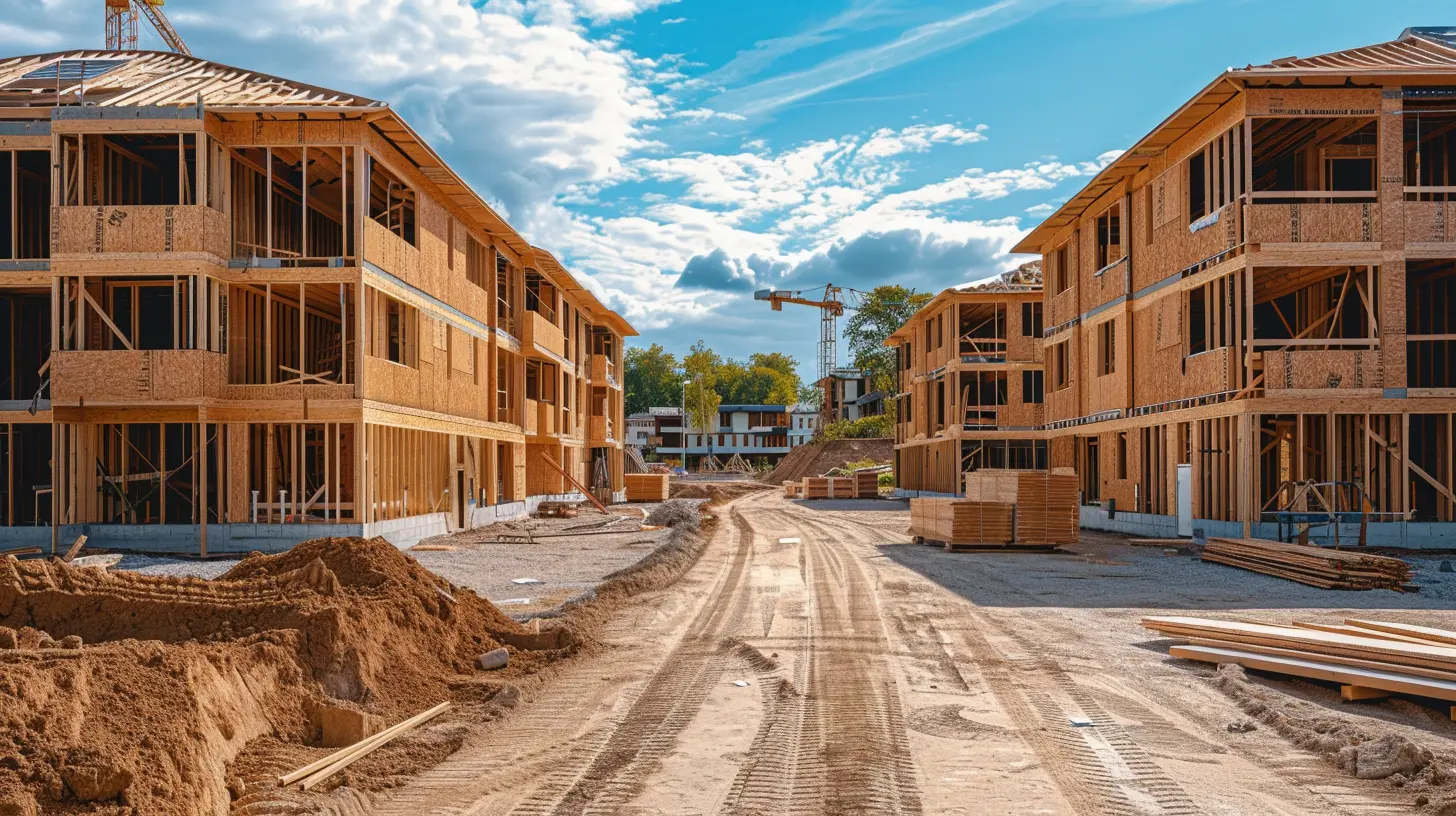
What Exactly Is Zoning?
Zoning is like city planning on steroids. It determines how land in a given area can and can't be used. Think of your city or town as a giant grid. That grid is divided into zones — and each zone has rules attached to it.Common Types of Zoning
- Residential – For homes, apartments, and anything where people live.- Commercial – For businesses like shops, restaurants, and offices.
- Industrial – For factories, warehouses, and power plants.
- Agricultural – For farms, ranches, and rural use.
- Mixed-use – For developments that combine residential, commercial, and sometimes industrial.
These categories may sound straightforward, but they can get pretty detailed. For example, you might have a residential zone that only allows single-family homes — no duplexes or apartment buildings allowed. Zoning rules can even dictate how tall buildings can be, how far they have to sit from the street, and how much parking is required.
Why Zoning Matters
So, why do towns go through all this trouble? Simple — zoning keeps order. Without it, you could have a nightclub next to a kindergarten or a chemical plant in a cozy suburb. Zoning supports public safety, boosts property values, and keeps neighborhoods functioning as they should.
What Are Building Permits?
A building permit is the official "OK" you need from your city or county before you can begin construction. It ensures your plans meet local building codes, zoning laws, and safety regulations.Think of a permit like a permission slip from the government. Without it, you're basically building in the Wild West — and trust us, you don't want to go there.
When Do You Need a Permit?
Almost any new construction — whether it's a house, a garage, a fence, or even a pool — usually requires a permit. Here’s a quick list:- Building a new home from scratch
- Adding a room or a second story
- Installing electrical systems or HVAC units
- Major plumbing work
- Demolishing part or all of an existing structure
Even for smaller projects, it’s always smart to check with your local municipality. Flying under the radar might sound tempting, but unpermitted work can lead to fines, forced demolition, or huge headaches when you try to sell the property.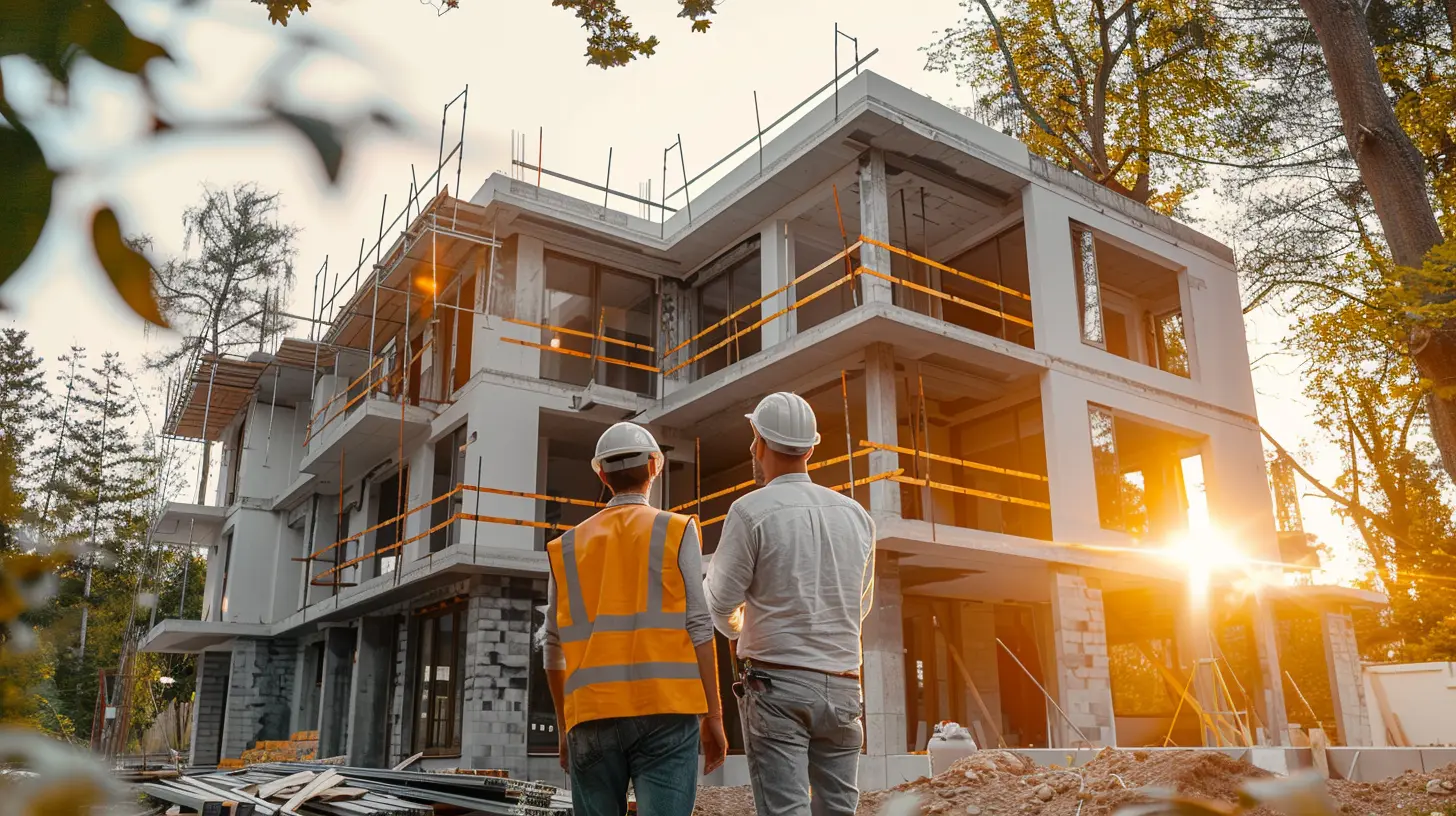
How Permits and Zoning Work Together
Permits and zoning go hand-in-hand. You could have beautifully detailed blueprints with the highest-quality materials lined up, but if the project doesn’t fit within zoning laws? No dice.Before issuing any permits, the local building department checks whether your proposed construction aligns with the zoning classification of the property. If there's a mismatch, you may have to seek a zoning variance or even apply for rezoning — both of which can delay your project by weeks (or months) and cost a pretty penny.
Picture it like trying to plug a square peg into a round hole. No matter how perfect that peg is, it won’t fit if the hole's the wrong shape.
The Permit Process: What You Need to Know
Getting a permit is not just a one-and-done deal. It’s a multi-step process — and one that requires patience and persistence.Step 1: Submit Your Application
This is where you hand over your construction plans — blueprints, site maps, structural calculations, and sometimes energy compliance documentation. The more detailed, the better.Step 2: Plan Review
Your local building department will comb through every inch of your submission. They'll be looking for compliance with:- Local building codes
- Fire safety standards
- Accessibility rules (think ADA compliance)
- Environmental impact
Step 3: Permit Approval (or Denial)
If everything checks out, you’ll get your permit. If not, you’ll receive a list of needed revisions. You’re not in the clear until that stamp of approval hits your paperwork.Step 4: Inspections During Construction
Your journey doesn’t end once you start building. Inspectors will visit your site at various milestones — foundation, framing, electrical, plumbing — to make sure you’re sticking to the approved plans.Step 5: Final Inspection and Certificate of Occupancy
Once everything is done, there's a final walkthrough. Pass it, and you’ll get your certificate of occupancy — the official sign you’re open for business (or ready to move in).What Happens If You Skip the Permit?
We get it — permits can feel like a hassle. But building without one is like driving without a license. Sure, it might work for a while... until it really doesn’t.Here’s what can go wrong:
- Hefty Fines: Most counties don’t play around when it comes to unpermitted work.
- Work Stoppages: You could be ordered to stop construction immediately.
- Demolition Orders: In extreme cases, you may have to tear down what you’ve built.
- Insurance Issues: Homeowners insurance might refuse to cover damage from unpermitted work.
- Resale Nightmares: Unpermitted additions can kill your home’s market value.
In short — skipping permits is like building on quicksand. It's just not worth the risk.
Challenges with Zoning and Permitting
Let’s be real — the system isn’t perfect. Here are a few common issues developers and homeowners run into.Red Tape and Delays
Permitting can take weeks — or even months. If you're in a high-growth area or a city with strict regulations, prepare for extended waiting periods.Inconsistent Rules
Rules can change not only from state to state but from city to city — and even neighborhood to neighborhood. Staying updated is crucial, especially for developers handling multiple projects.Subjective Interpretations
Some zoning and planning boards have leeway in how they interpret the code. Two similar projects might get different results depending on who's reviewing the application.Tips for Navigating Permits and Zoning Like a Pro
So how do you make sure your project goes as smoothly as possible? Here are a few pro tips:1. Do Your Homework Early
Before buying land or hiring a contractor, check your area’s zoning map and building codes. Make sure your vision aligns with the local rules.2. Work with a Pro
Hire architects, engineers, or builders who understand the permit landscape. Their experience can save you massive time and money.3. Communicate with the City
Seriously, make nice with the staff at your local building department. They’re not the enemy — they're actually your best resource.4. Be Patient (But Persistent)
Government processes move at their own pace. While it’s frustrating, staying organized and on top of your documentation can keep delays to a minimum.5. Don’t Cut Corners
Trying to sneak past the permitting process is a gamble. Save yourself future headaches by doing it by the book from the get-go.How Technology Is Changing the Permit Game
Here's some good news: technology is finally starting to crack open the crusty old permit system.More cities are rolling out online portals where you can submit plans, track your application status, schedule inspections, and pay fees — all from your laptop. It’s like going from the DMV to Amazon Prime. Not everywhere has it yet, but the tide is turning.
Final Thoughts
Permits and zoning might not be the glamorous part of real estate or construction, but they’re absolutely vital. They keep our communities safe, structured, and livable. Whether you're building your dream home or developing an entire subdivision, knowing how these systems work — and respecting them — can make or break your project.So, don’t treat permits and zoning like an afterthought. Instead, treat them like the blueprint behind the blueprint. Once they're in place, the rest of your build becomes a whole lot easier, smoother, and — most importantly — legal.
all images in this post were generated using AI tools
Category:
New ConstructionAuthor:

Mateo Hines
Discussion
rate this article
2 comments
Quorra McGinn
Ah yes, permits and zoning-nothing screams excitement like navigating red tape and bureaucratic mazes. Who doesn't love waiting for the green light to build their dream home? It's like a game of Monopoly, but with more paperwork and less fun.
September 17, 2026 at 2:27 AM
Runehart Wilkins
In the dance of brick and beam, permits shape the dream. Zoning whispers where visions can rise, guiding each nail and window's prize. In this careful crafting, communities thrive, balancing nature and design, a home where hopes and dreams truly come alive.
August 30, 2026 at 10:25 AM
Mateo Hines
I appreciate your poetic take on the importance of permits and zoning. They truly are the backbone of thoughtful and sustainable development.