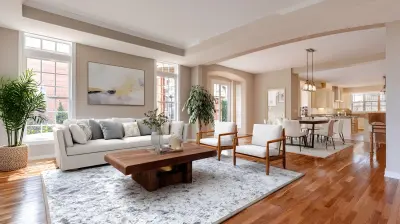
The Role of Texture in Modern Interior Design
16 March 2026
Have you ever walked into a room and felt an inexplicable sense of comfort or intrigue without even knowing why? It might be the colors, the lighting, or even the furniture—but more often than not, it’s the texture working its magic behind the scenes.
Texture is the unsung hero of modern interior design. It’s what transforms a flat, lifeless space into a warm, dynamic environment that invites you in and makes you want to stay. But what exactly is texture in interior design, and why does it play such a pivotal role? Let’s dive deep into this fascinating world.
What Is Texture in Interior Design?
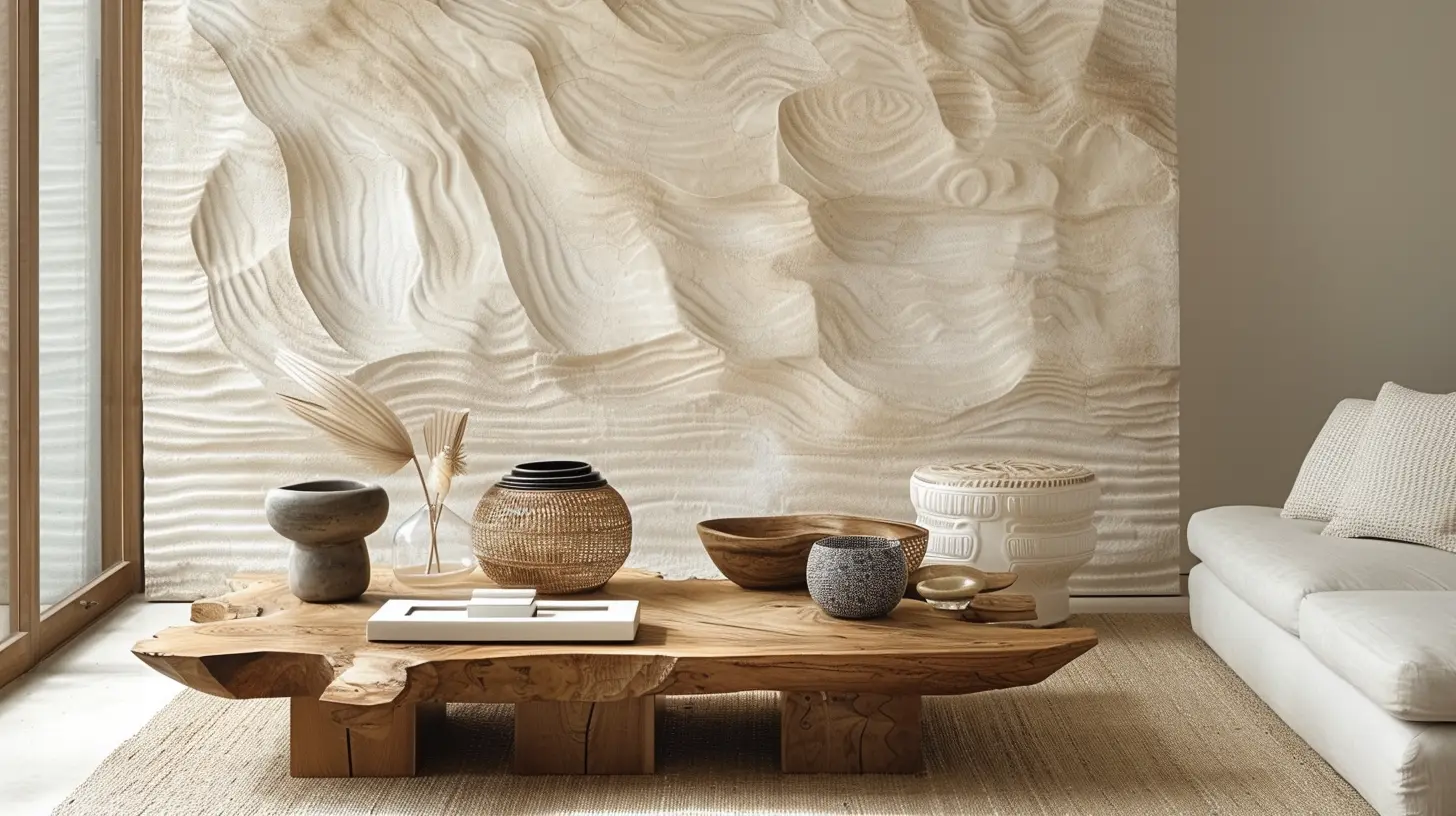
At its core, texture refers to the way a surface looks or feels. It can be smooth, rough, soft, hard, glossy, or matte. In interior design, texture creates depth and dimension, making a space feel more inviting and visually interesting.There are two main types of texture:
- Visual Texture: This is what your eyes perceive. A surface may look rough, but if it feels smooth to the touch, it has visual texture rather than tactile texture. Wallpaper with a wood grain print or faux-marble countertops are great examples.
- Tactile Texture: This is texture you can physically feel. A shaggy rug, a sleek countertop, a velvet sofa—each engages your sense of touch in a different way.
In modern interior design, the best spaces balance both visual and tactile textures to create a cohesive yet exciting environment.
Why Is Texture So Important in Modern Interiors?
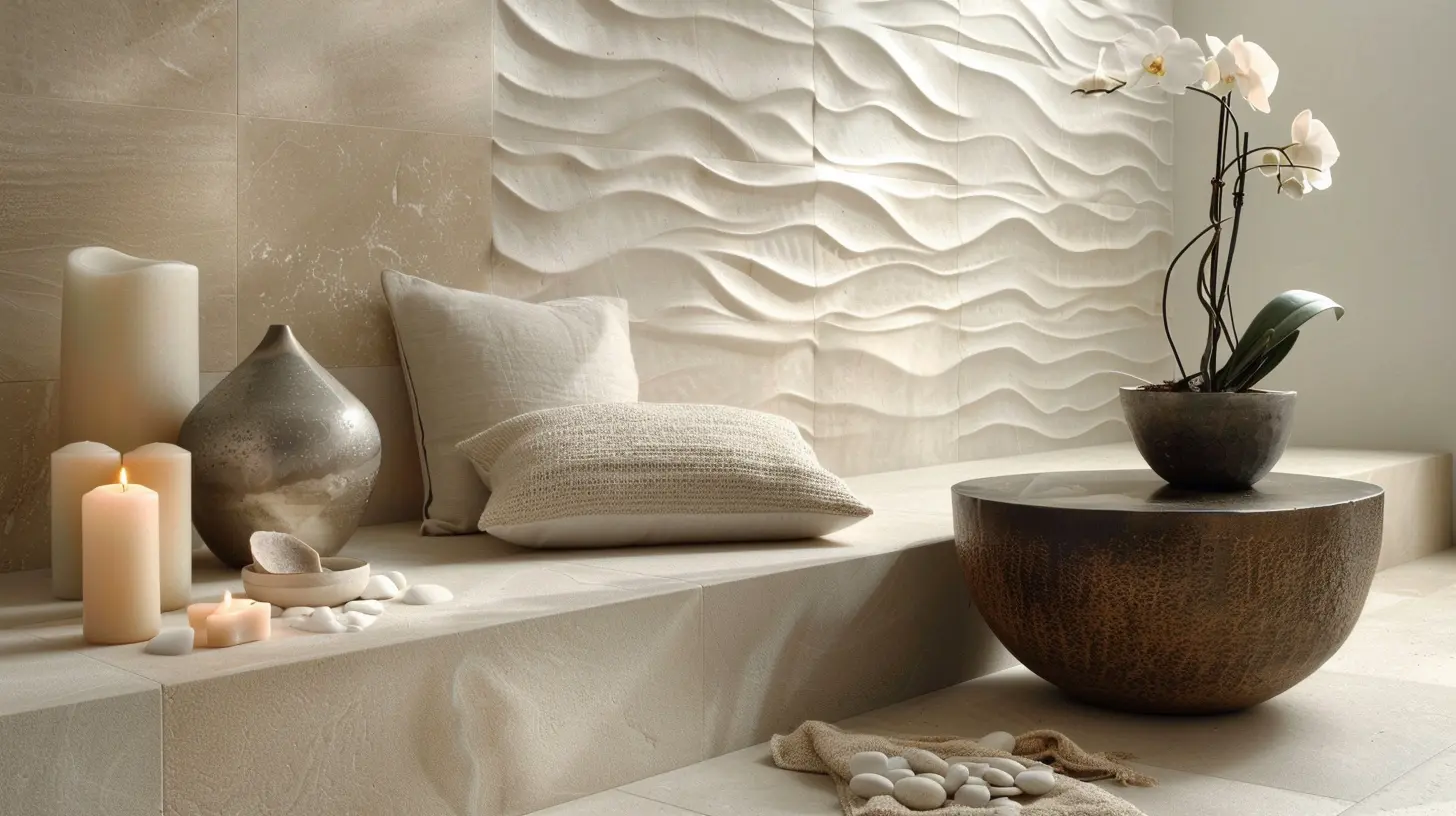
Imagine a room where everything is sleek, polished, and smooth. While it might look clean and modern, it can also feel sterile and uninviting. Now, picture the same space with a faux fur throw, a rustic wooden coffee table, and some woven baskets. Suddenly, it feels warm, cozy, and full of life.Here’s why texture is a game-changer in modern interiors:
1. It Adds Depth and Dimension
A room without texture can feel flat, no matter how well it’s designed. Texture introduces layers, making a space feel more dynamic and visually engaging. Think about how a brick wall adds industrial charm or how a patterned fabric can make a plain couch pop.2. It Creates Contrast and Balance
Modern interior design is all about balance. Mixing textures—like pairing a soft wool rug with a sleek leather couch—prevents a space from feeling one-dimensional. Contrast is what makes interiors exciting to look at and experience.3. It Evokes Emotion and Personality
Different textures evoke different emotions. Soft, plush fabrics create a sense of comfort and relaxation, while raw materials like exposed brick or concrete bring an edgy, urban feel. Texture allows homeowners to express their personality and set the tone of their space.4. It Enhances Light and Shadow Play
Texture doesn’t just affect how things feel—it also impacts how light interacts with a space. Matte surfaces absorb light, creating a cozy vibe, whereas glossy surfaces reflect light, making a room feel brighter and more open. A combination of the two ensures a harmonious atmosphere.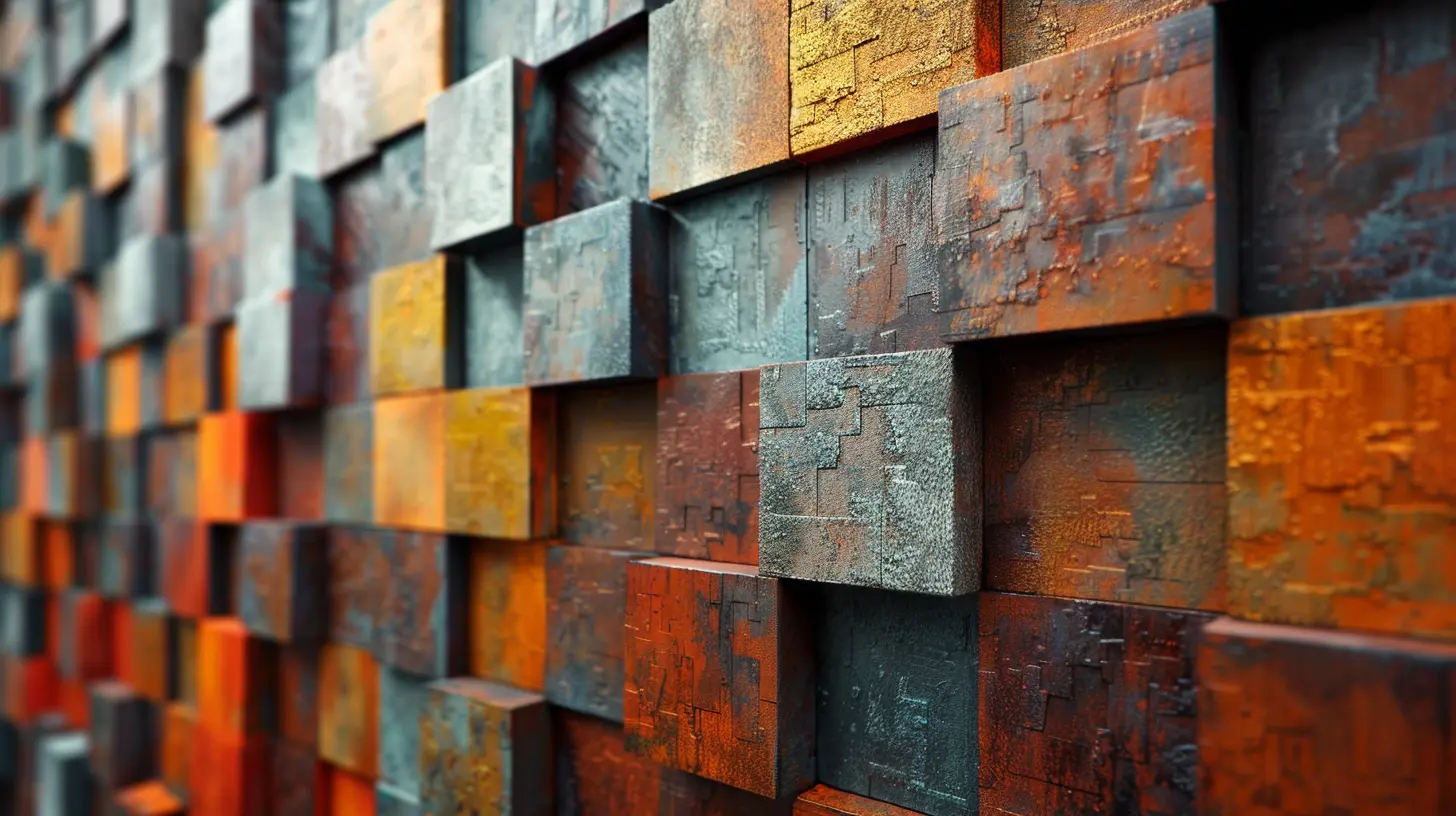
How to Use Texture in Modern Interior Design
Now that we know why texture matters, let’s talk about how to incorporate it effectively. Here are some simple yet impactful ways to introduce texture into your home:1. Mixing Materials for Diversity
One of the best ways to play with texture is by mixing materials. Think about combining:- Wood with metal for an industrial chic look
- Glass with velvet for a modern and elegant touch
- Stone with linen for a rustic yet refined feel
Blending different textures prevents monotony and adds character to any space.
2. Layering Fabrics for Warmth
If you want to bring coziness into a space, layering fabrics is your best friend. Drape a woven throw over a leather couch, add plush cushions, or lay down a textured rug. These subtle details make a space feel lived-in and inviting.3. Incorporating Natural Elements
Natural materials bring an organic richness to interior design. Incorporate elements like:- Wood (whether polished or raw) for warmth
- Stone for an earthy, grounding effect
- Plants for a fresh, lively texture
These organic textures add a sense of harmony and make a space feel more connected to nature.
4. Using Wallpapers and Wall Treatments
Walls don’t have to be just blank canvases. Introduce texture using:- Brick or stone cladding for an industrial feel
- Textured wallpapers for a touch of elegance
- Wood paneling for a cozy, timeless aesthetic
Wall treatments can completely transform the mood of a space with minimal effort.
5. Playing with Light and Reflection
Glass, mirrors, and metallic accents contribute to texture by interacting with light. A mirrored coffee table or a metallic-finished lamp can add a layer of sophistication and open up a space, making it brighter and more inviting.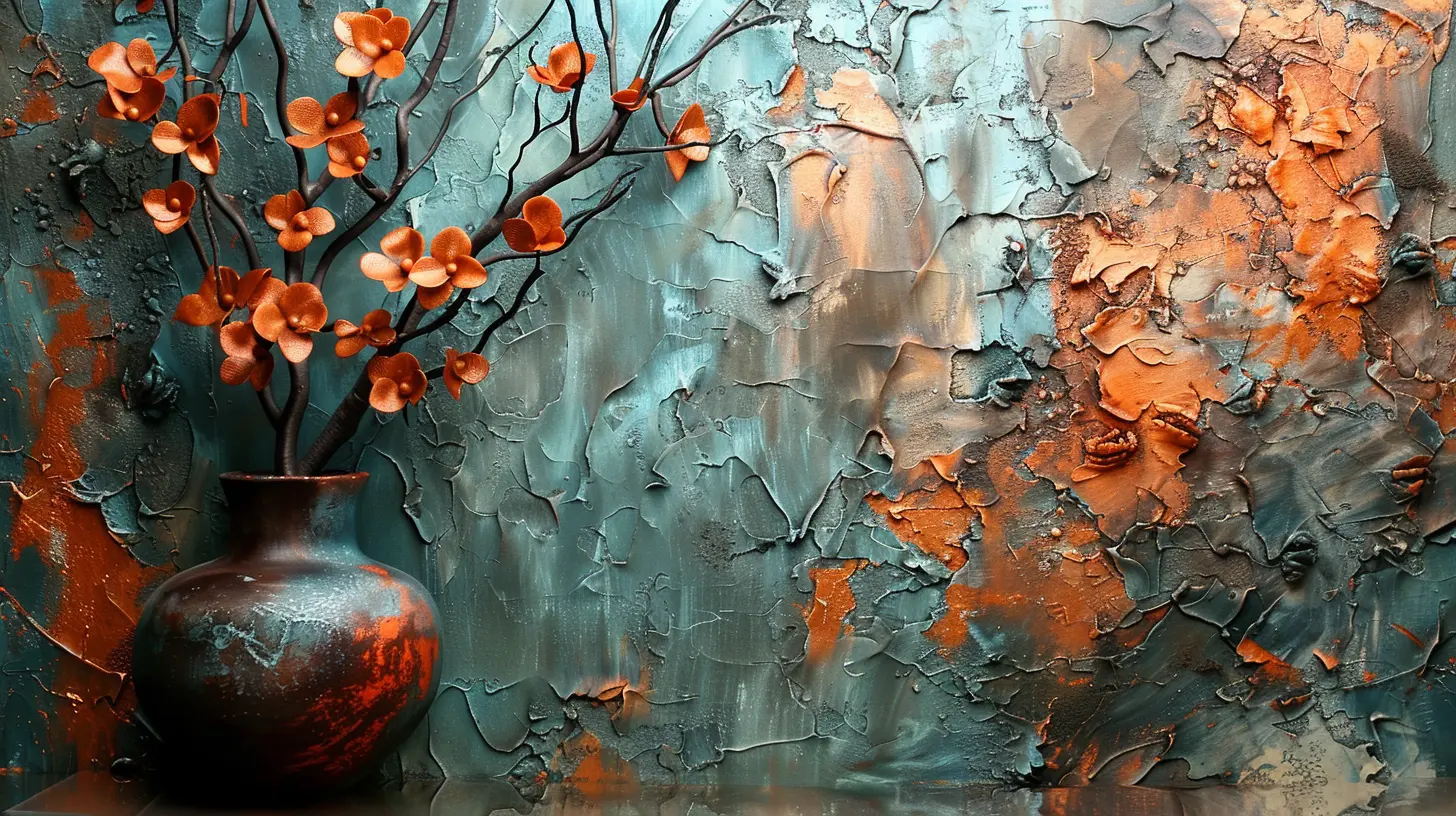
The Art of Subtlety: Avoiding Texture Overload
While texture is essential, like anything in design, balance is key. Overloading a space with too many textured elements can make it feel chaotic and overwhelming. Here are a few tips for keeping it tasteful:- Stick to a cohesive color palette so different textures blend harmoniously.
- Choose a focal point, such as a textured wall or a statement rug, and let it shine.
- Incorporate different textures in moderation, ensuring they complement rather than compete with each other.
Final Thoughts
Texture is like the secret spice in interior design—you don’t always notice it outright, but it makes all the difference. Whether you’re designing a minimalist modern loft or a cozy bohemian retreat, playing with texture can elevate your space from ordinary to extraordinary.So, the next time you step into a beautifully designed room, take a closer look. Feel the fabrics, notice the surfaces, and pay attention to how different materials interact. You might just uncover the unspoken magic of texture at work.
all images in this post were generated using AI tools
Category:
Interior DesignAuthor:

Mateo Hines
Discussion
rate this article
2 comments
Zevonis McTiernan
Texture adds depth and character to modern interior design, enhancing visual interest and creating a tactile experience. Incorporating various materials—like wood, metal, and fabric—can invigorate spaces, making them feel cozy and inviting while maintaining a contemporary aesthetic.
March 29, 2026 at 5:35 AM
Mateo Hines
I completely agree. Texture truly transforms a space, adding warmth and personality while keeping things fresh and stylish. It's amazing how different materials can change the feel of a room.
Hattie Adkins
Texture in modern interior design serves as a bridge between aesthetics and comfort. It adds depth and character, transforming spaces from merely functional to genuinely inviting. By thoughtfully incorporating various materials, designers can evoke emotions and create an atmosphere that speaks to the senses, enhancing the overall living experience.
March 18, 2026 at 4:25 AM
Mateo Hines
I appreciate your insights! Texture truly does elevate design, making spaces feel more alive and personal. It's amazing how materials can shift a room's mood so effectively.