The Smart Home Ecosystem: Streamlining Devices for Seamless Living
28 March 2026
Imagine waking up in the morning, and as you step out of bed, your blinds automatically open to let in the soft morning light. Your coffee starts brewing without you lifting a finger, and the thermostat adjusts to the perfect temperature. Sounds like something out of a sci-fi movie, right? Well, thanks to the smart home ecosystem, this level of convenience is no longer a dream—it's reality.
Technology is transforming homes into interconnected hubs that simplify everyday tasks, improve security, and even help save on energy bills. But what exactly is a smart home ecosystem, and how can you make it work for you? Let’s break it down. 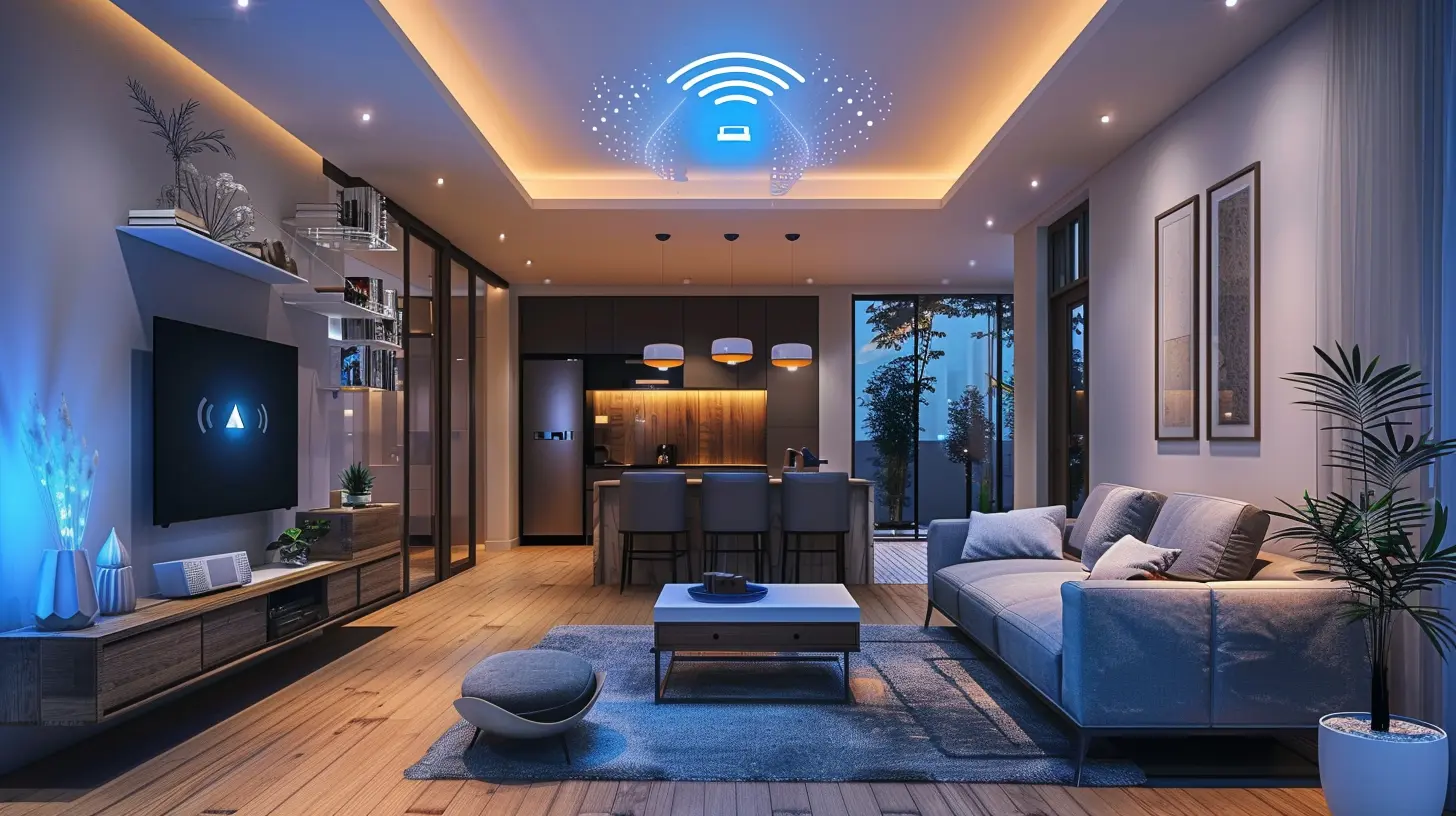
What Is a Smart Home Ecosystem?
A smart home ecosystem is a network of connected devices that communicate with each other to automate and enhance daily living. These devices can range from smart thermostats and lighting to security cameras, voice assistants, and even smart refrigerators.The beauty of a smart home lies in its integration. Instead of juggling multiple apps and settings, you can control everything from one central hub—your smartphone or voice assistant. The goal? A more convenient, efficient, and secure lifestyle. 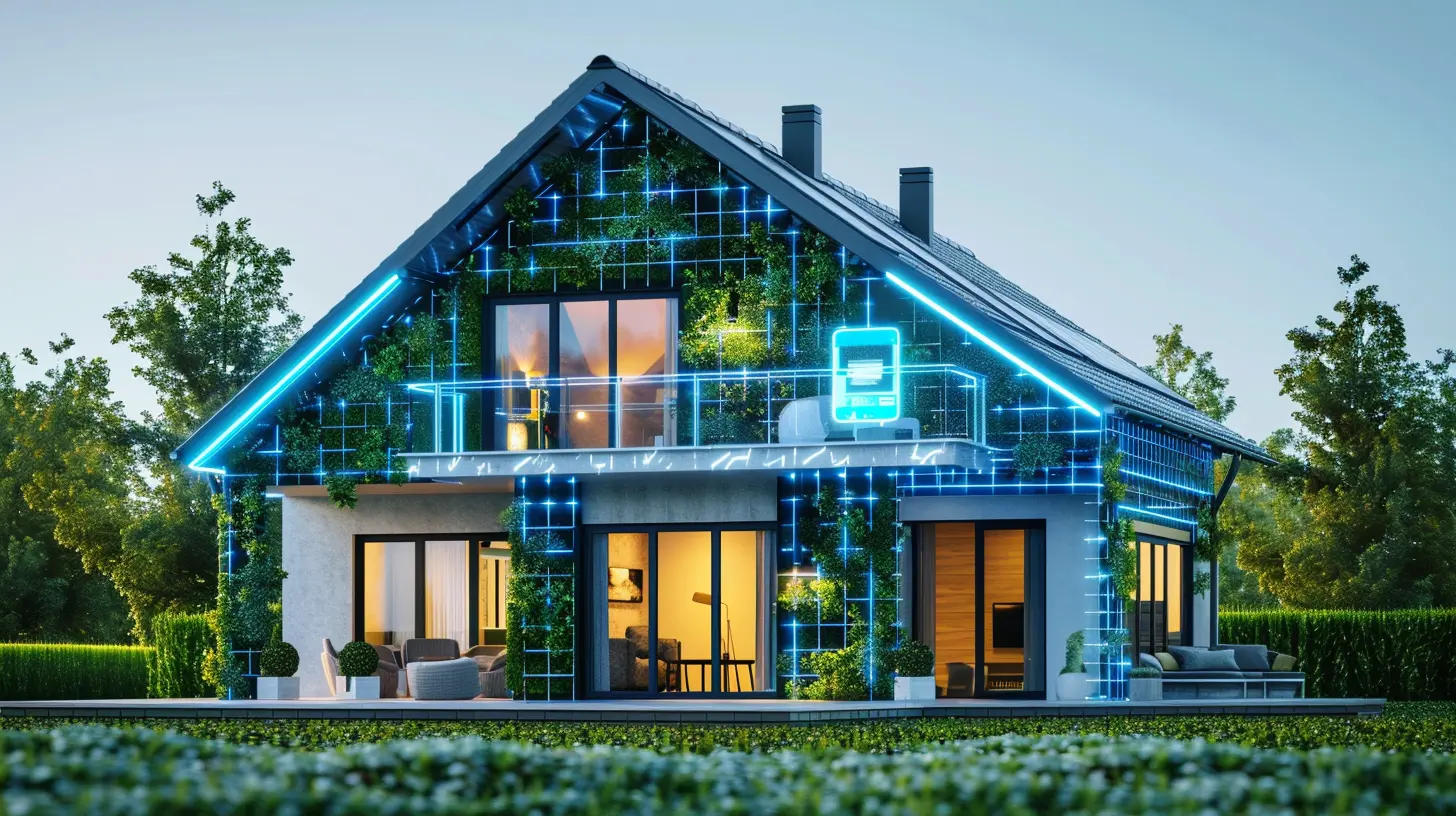
Benefits of a Smart Home Ecosystem
Adopting smart home technology isn’t just about having cool gadgets; it's about improving how you live. Let’s look at some of the biggest perks.1. Convenience at Your Fingertips
Gone are the days of walking room to room to turn off lights or adjust the thermostat. With a smart home system, you can control everything from an app on your phone. Whether you're on the couch or across the globe, managing your home has never been easier.2. Enhanced Security & Peace of Mind
Security is a top priority for any homeowner. Smart locks, video doorbells, and security cameras help keep your home safe. These systems let you monitor everything in real time, receive instant alerts, and even communicate with visitors at your doorstep—all from your smartphone.3. Energy Efficiency & Cost Savings
A smart home doesn’t just make life easier; it can also make it more affordable. Devices like smart thermostats and lighting systems optimize energy usage, which can significantly reduce your power bills. Some thermostats learn your routine and adjust automatically, ensuring you’re never wasting energy.4. Customization & Personalization
Want your lights to dim when you start a movie? Or have your coffee ready when you wake up? Smart home systems let you customize settings to fit your lifestyle. You can set up routines or use voice commands to instantly adjust your home's ambiance.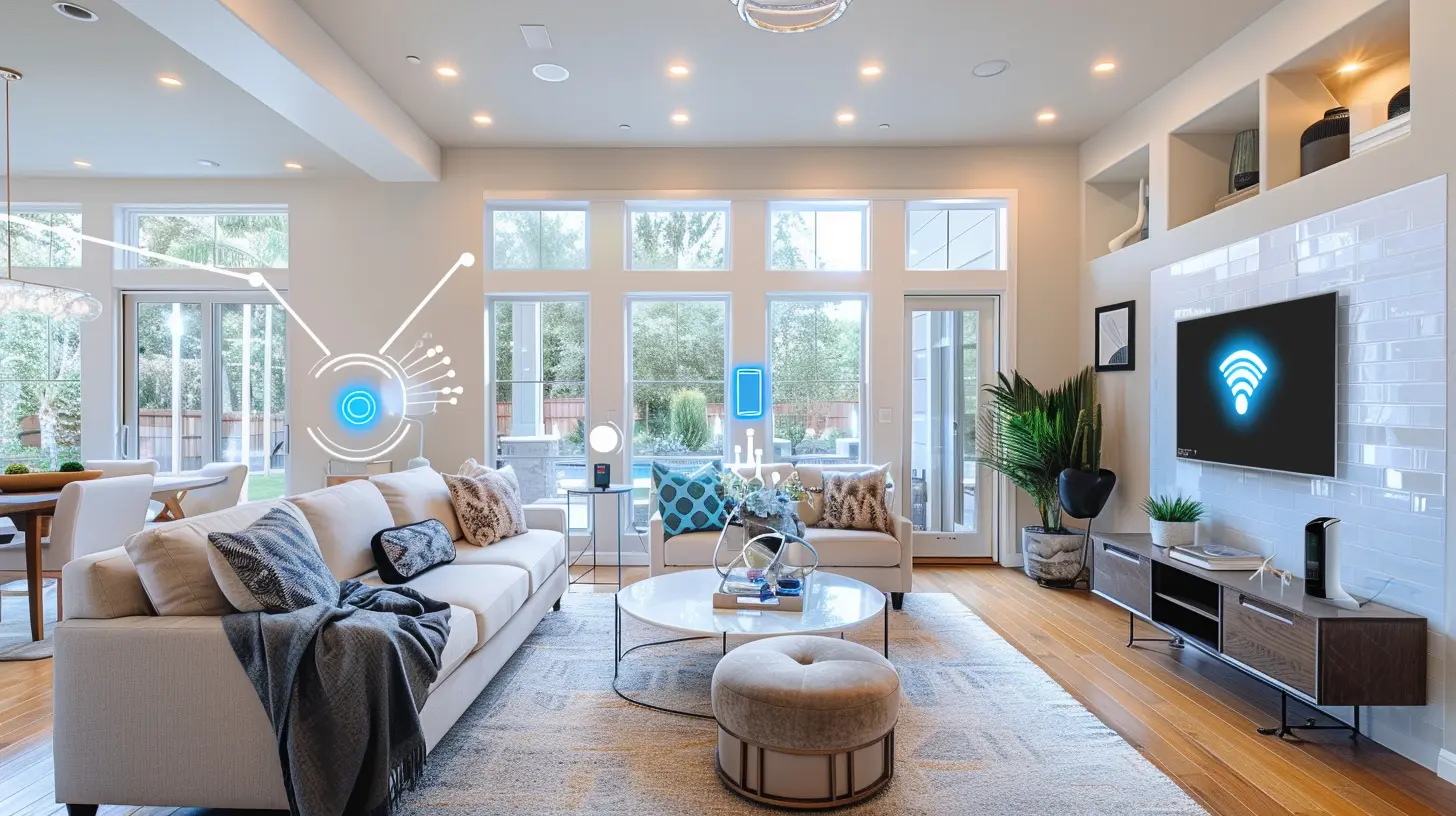
Key Components of a Smart Home
Now that we’ve covered the benefits, let’s dive into some of the must-have devices that can transform your house into a smart home.1. Smart Hubs & Voice Assistants
A smart home hub acts as the brain of your ecosystem. Popular choices include:- Amazon Echo (Alexa)
- Google Nest Hub
- Apple HomePod
These hubs let you control multiple devices with simple voice commands. Whether it's turning off the lights, playing music, or setting reminders, a voice assistant makes everything feel effortless.
2. Smart Lighting Systems
Smart bulbs and lighting systems allow you to change brightness, color, and schedules from your smartphone or voice commands. Brands like Philips Hue and LIFX offer easy-to-install options. You can even sync lights with your moods or movie nights!3. Smart Thermostats
A device like the Nest Learning Thermostat or Ecobee SmartThermostat helps automate heating and cooling. These gadgets analyze your habits and adjust the temperature accordingly—saving energy while keeping your home comfortable.4. Smart Security Systems
Keeping your home safe has never been easier. Smart cameras, alarms, and door locks provide real-time monitoring and alerts, ensuring your home is secure even when you’re away. Popular options include:- Ring Video Doorbell
- Arlo Security Cameras
- August Smart Lock
5. Smart Appliances & Entertainment
From refrigerators that track groceries to ovens that preheat via an app, smart appliances are redefining kitchen convenience. In the entertainment space, smart TVs and streaming devices allow seamless content access. Devices like Samsung Smart TVs, Roku, and Apple TV are must-haves.
How to Build a Seamless Smart Home Ecosystem
Building a smart home doesn’t mean buying every gadget on the market. The key is integration—devices working in harmony. Here’s how to create a cohesive ecosystem.1. Start Small & Expand Gradually
If you're new to smart home tech, don’t jump in all at once. Start with one or two devices—perhaps a smart speaker and smart lights—and expand as you get comfortable.2. Choose Compatible Devices
Not all smart devices play well together. Stick to a single ecosystem like Google Nest, Amazon Alexa, or Apple HomeKit to ensure everything integrates smoothly.3. Automate for Maximum Efficiency
The true power of a smart home lies in automation. Set schedules for lights, thermostats, and security systems so your home adjusts without requiring manual control.4. Prioritize Security & Privacy
Since smart devices connect to the internet, securing them is crucial. Use strong passwords, two-factor authentication, and update software regularly to prevent cyber threats.The Future of Smart Homes
As technology evolves, the smart home ecosystem will only get smarter. AI-driven automation, improved voice recognition, and even smart home robotics are on the horizon. Soon, your home may anticipate your needs before you even ask—turning your living space into a truly intuitive environment.The days of manually controlling every device are fading. A connected home means more comfort, efficiency, and security—all at the touch of a button (or just by speaking a command). Whether you're upgrading a few gadgets or fully automating your home, embracing smart home technology is a step toward effortless living.
So, are you ready to create a home that works for you?
all images in this post were generated using AI tools
Category:
Smart HomesAuthor:

Mateo Hines
Discussion
rate this article
2 comments
Chelsea Patel
Great insights on the evolving smart home ecosystem! Streamlining devices not only enhances convenience but also elevates the overall living experience. Excited to see how these innovations continue to shape modern homes. Thank you for sharing!
April 10, 2026 at 12:46 PM
Mateo Hines
Thank you for your kind words! I'm glad you found the insights valuable. Exciting times ahead for smart homes!
Olivia Barlow
Love this smart home concept!
April 4, 2026 at 3:18 AM
Mateo Hines
Thank you! We're excited about the future of smart homes and how they enhance our daily lives.