Tiny Homes, Big Impact: Micro-Living in Real Estate Development
10 December 2025
In a world that’s constantly chasing “bigger and better,” a quiet revolution is taking shape—one that’s flipping the traditional idea of homeownership on its head. Welcome to the era of tiny homes and micro-living, where less truly is more. From affordability and sustainability to freedom and mobility, tiny homes are reshaping real estate development and how we think about personal space.
Let’s unpack why this small-scale movement is making a massive impact on the real estate industry, and why you might just find yourself eyeing one of these pint-sized properties sooner than you think.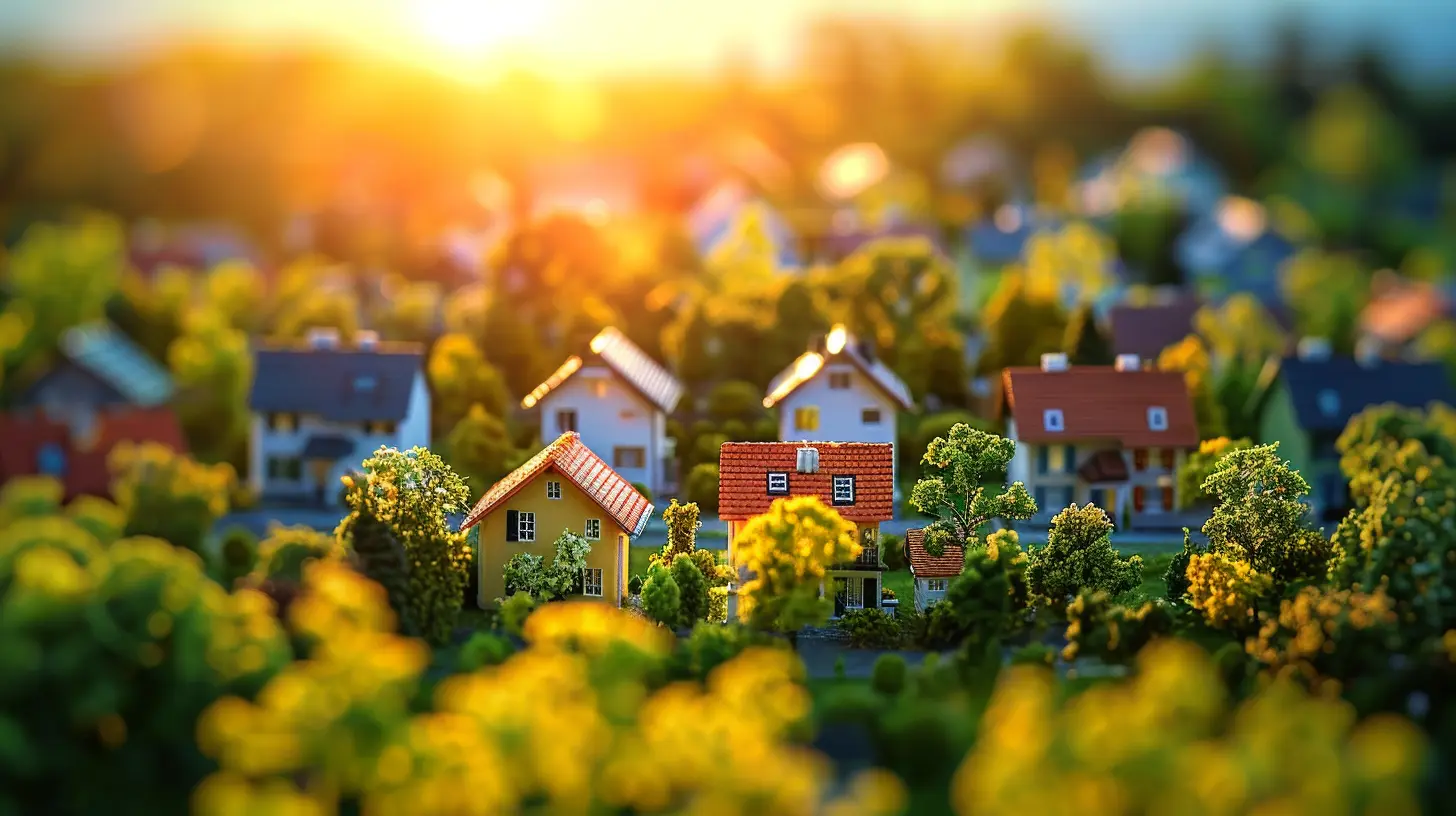
What Exactly Is a Tiny Home?
Okay, let’s start with the basics. A tiny home is typically a standalone house that ranges from about 100 to 400 square feet. That’s less space than most master bedrooms! But what they lack in size, they make up for in smart design, functionality, and, most importantly, purpose.These homes are often equipped with all the essentials—kitchen, bathroom, sleeping loft, storage—all cleverly arranged to maximize every inch. Think of it like living in a life-sized puzzle where everything fits just right. Whether they’re on wheels or built on a foundation, tiny homes are designed to give you just enough space and a whole lot of freedom.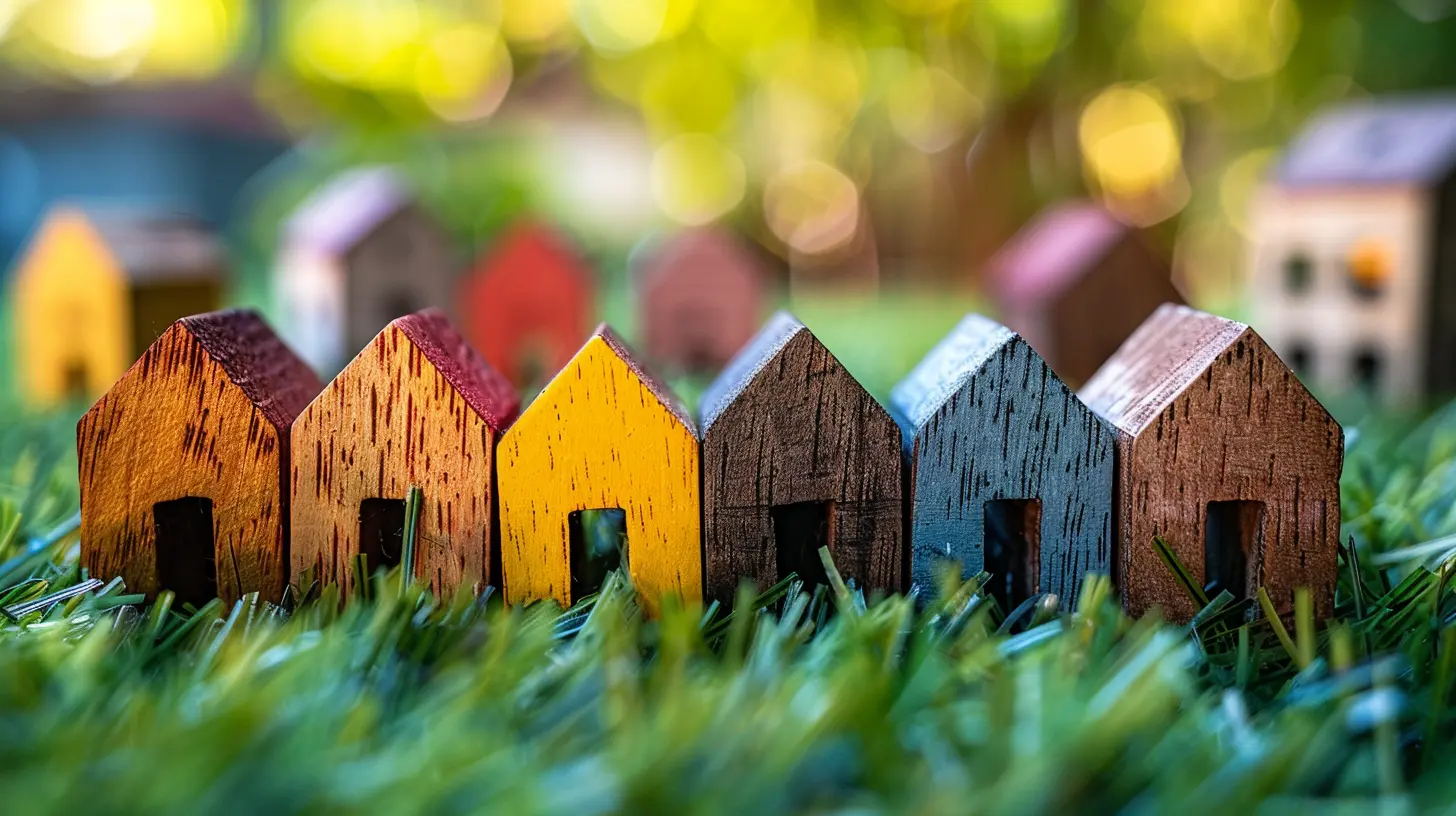
Why Tiny Homes Are Catching Fire in Real Estate
1. Affordable Housing—Without Sacrificing Quality
Let’s be real: traditional homes are expensive. With median home prices soaring in cities across the globe, homeownership is slipping out of reach for many people—especially young adults and retirees.Tiny homes offer a solution that’s easy on the wallet. You can own a tiny home outright for as little as $40,000 to $80,000. That’s not pocket change, but it’s a heck of a lot more accessible than a six-figure mortgage. Plus, lower costs mean less debt and more financial freedom.
2. Sustainable Living with a Smaller Footprint
If you’re someone who’s always thinking about the planet, then tiny living probably feels like a no-brainer. These homes use fewer building materials, require less energy to heat or cool, and promote a minimalist, eco-conscious lifestyle.Many tiny homeowners even install solar panels, composting toilets, and rainwater harvesting systems to make their homes as green as possible. It’s like having your own eco-oasis—without the guilt of overconsumption.
3. Flexibility and Mobility
Here’s the thing: life doesn’t always follow a script. People change jobs, chase dreams, get married, raise kids, and sometimes decide to hit the road altogether. Tiny homes give you the flexibility to move—literally.Many are built on trailers and can be towed wherever your heart (or job opportunities) take you. Whether you’re a digital nomad or someone who loves the idea of starting fresh in a new city, owning a mobile tiny home feels like having a magic carpet. But cozier.
How Micro-Living Is Influencing Real Estate Development
Real estate developers are paying close attention to what homebuyers actually want—and surprise, not everyone wants a McMansion in the suburbs. Enter: micro-communities and tiny home villages.1. The Rise of Tiny Home Communities
Cities and developers alike are starting to embrace communities built specifically for tiny homes. These aren’t just trailers stuffed haphazardly into a lot. We’re talking organized neighborhoods with shared green space, gardens, communal amenities, and a real sense of community.These developments offer the benefits of neighborhood living—without the bloated housing costs. Everyone’s got their own space, but also access to a shared lifestyle. It's kind of like the college dorm experience... but for grown-ups who value privacy and peace.
2. Urban Infill Projects Made Smarter
In dense urban areas where land is scarce and expensive, developers are turning to micro-living to make better use of space. Got a narrow lot between two townhouses? Perfect for a row of 200-square-foot homes. Underutilized parking area? Convert it into a micro-housing complex.Tiny homes allow developers to maximize land use and diversify housing options, all while keeping prices relatively low. It’s modular living meets smart development.
3. Zoning Laws Are Evolving (Slowly but Surely)
Let’s not ignore the elephant in the room: zoning regulations can be tricky when it comes to tiny homes. Most local building codes still favor traditional-sized dwellings, which can complicate things for developers and homeowners alike.That said, the tide is turning. Cities are beginning to recognize the role these homes play in solving housing crises. Some municipalities are now adjusting zoning laws to allow for accessory dwelling units (ADUs), tiny home villages, and even tiny homes on wheels (THOWs).
So yeah, progress is a little slow—but it’s happening.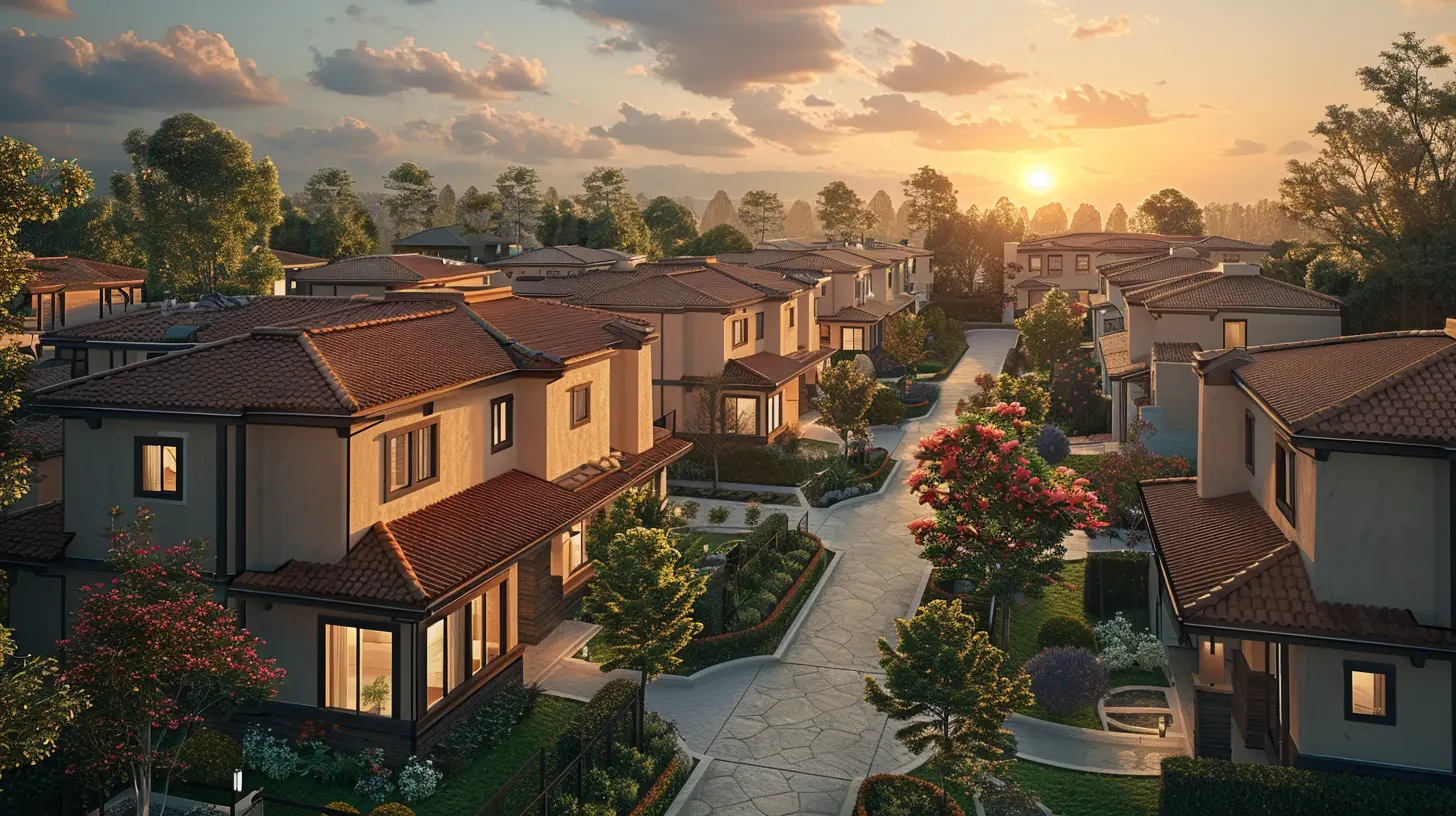
Who's Living in Tiny Homes?
You might imagine tiny homes are only for off-the-grid hippies or Instagram influencers. But the demographics are far more diverse.- Young Professionals: Students and millennial workers drowning in student loans find tiny homes a financially savvy choice.
- Retirees: Downsizing helps retirees stretch retirement income while simplifying life.
- Minimalists: Folks tired of clutter and chaos are embracing simplicity and freedom.
- Environmental Advocates: Tiny houses are a dream for anyone committed to low-impact living.
Whether you're 25 or 65, if you're looking to cut costs, reduce stress, and live more intentionally—micro-living might just be your thing.
Common Misconceptions About Tiny Homes
All trends come with their fair share of myths. Let’s clear up some of the biggest misunderstandings about tiny homes.“There’s no room for anything!”
Let’s be honest—if you’re hoarding high school yearbooks, five sets of dishware, and a treadmill you haven’t touched in a decade, tiny living might be a stretch. But modern tiny homes are shockingly efficient. With smart storage solutions, foldable furniture, and multi-use spaces, you’ll be surprised how spacious a well-designed 300-square-foot home can feel.“They're just a fad.”
Minimalism and intentional living aren’t just flashes in the pan—they’re responses to real issues like housing affordability, climate change, and mental clutter. Tiny homes are less about being trendy and more about being practical.“They can’t be permanent homes.”
Not true. While some tiny homes are mobile, many are built on permanent foundations and meet local building codes. They can be lived in year-round and even passed down as assets.Tiny Homes and the Smart Tech Revolution
You might think the limited square footage means sacrificing modern amenities. Nope.In fact, tiny homes are often packed with smart tech! From voice-controlled lighting and smart thermostats to security systems and ultra-efficient appliances, these homes are leading the way in precision living. Why waste energy cooling a room you’re not even in? In a tiny home, every square foot counts—and so does every watt.
The Financial Upside of Tiny Home Investment
Thinking like a real estate investor? Tiny homes can offer strong returns.- Low Entry Cost: Get started with less capital.
- High Rental Demand: Great for short-term rentals or vacation properties.
- Lower Maintenance: Fewer repair costs and upkeep.
- Sustainable Appeal: Eco-conscious renters and buyers are actively searching for green housing options.
Plus, with more cities allowing tiny homes as ADUs, you can boost your main property’s value and earn passive income.
The Emotional Payoff of Living Tiny
Money and space aside, there’s a deeper reason people are turning to tiny homes: freedom.Less house means less stress, less cleaning, and less stuff. It means more time for what really matters—relationships, passions, travel, and peace of mind. You’re not tied down to a 30-year mortgage or a house that takes hours to clean every weekend.
By stripping life down to the essentials, tiny homes open up a world of possibilities. It’s not about living with nothing—it’s about living with only what you need and loving all of it.
Are Tiny Homes for You?
Let’s wrap this up with a little self-reflection.- Do you crave fewer financial obligations?
- Want to reduce your environmental footprint?
- Looking for freedom to travel or relocate?
- Dream of simplifying life and owning your space?
If you're nodding yes, then tiny living might be worth exploring. It’s not for everyone—but for the right people, it’s a lifestyle game-changer.
Final Thoughts
Tiny homes might be small in size, but their impact on real estate development, personal finance, community planning, and sustainable living is nothing short of monumental. They challenge the norms, spark conversations, and most importantly—offer real solutions to real problems.They're more than a housing trend. They're a social, environmental, and financial movement that’s here to stay.
So the next time someone tells you “go big or go home,” you can smile and say, “I’m going tiny—and going home!
all images in this post were generated using AI tools
Category:
Real Estate DevelopmentAuthor:

Mateo Hines
Discussion
rate this article
2 comments
Max O'Brien
Who knew less square footage could equal more square fun? Tiny homes are like the trendy new sneakers of real estate—compact, stylish, and surprisingly comfortable! Perfect for those who want to live large without the hefty mortgage. Size matters, but so does creativity!
December 14, 2025 at 5:34 AM
Mateo Hines
Absolutely! Tiny homes maximize creativity and lifestyle while minimizing costs, proving that less truly can be more in real estate.
Luella McKittrick
Who knew that living small could make such a big splash? Tiny homes are the ultimate trend-setters in real estate! They prove that good things come in small packages—just like the joy of a cozy nook and a cup of coffee on a sunny morning!" ☕🏡
December 11, 2025 at 12:01 PM
Mateo Hines
Absolutely! Tiny homes are redefining real estate, showing that simplicity and charm can have a profound impact on our lives and communities. ☕🏡