Trends in Bathroom Fixtures and Finishes for 2027
20 October 2026
Bathrooms are changing. Not in the dramatic, everything-must-go way that some trend reports like to promise, but in a slower, more deliberate shift that reflects how people actually live. By 2027, the bathroom will be less about showroom spectacle and more about resilience, personalization, and quiet intelligence. The fixtures and finishes that win will be the ones that solve real problems: water that behaves, surfaces that age gracefully, and layouts that adapt as households change.
This article is not a rehash of what design blogs are posting. It is a working analysis of where the market is heading, what is driving it, and how to make decisions now that will still look and function well three years from now. Whether you are renovating a single bathroom, specifying fixtures for a development, or advising clients, the goal is the same: choose things that will not feel dated or broken by 2027.
The Forces Shaping Bathroom Design Through 2027
Before talking about specific products, it helps to understand the pressures behind the trends. Fixtures and finishes do not change in a vacuum. They respond to regulation, supply chains, household composition, and how people think about their homes.Water efficiency moves from compliance to design driver
Water regulations have been tightening in many regions for years, and that trajectory is unlikely to reverse. What is changing is how manufacturers respond. Early low-flow fixtures often felt like compromises: weak showers, noisy toilets, aerators that made washing hands feel like a chore. By 2027, efficiency will be engineered into the experience rather than bolted on. Expect more fixtures that deliver strong perceived performance at lower flow rates through better spray geometry, pressure-compensating valves, and smarter mixing. The practical takeaway: when you shop, ask for flow rate and feel, not just the number on the spec sheet. A well-designed 1.5 gallon per minute showerhead can outperform a poorly designed 2.0 one.The bathroom as a health and recovery space
Households are treating bathrooms less as utility rooms and more as recovery rooms. This is not only about spa aesthetics. It is about steam, warmth, light, and air quality. That shift is pushing demand for fixtures that support contrast therapy (hot and cold), better ventilation integrated with lighting, and finishes that tolerate humidity without failing. It also explains the rise of shower systems with multiple outlets and precise temperature control, and the growing interest in materials that do not harbor mold or bacteria.Aging in place and multigenerational households
More households include older adults or people with mobility needs, and many homeowners plan to stay in their homes longer. That is making universal design less of a niche and more of a baseline expectation. In 2027, the best bathroom will not look clinical. It will hide grab bar reinforcement behind tile, use curbless showers with linear drains, and specify lever handles and comfort-height toilets as standard rather than special order.Supply chain realism
The past few years taught the industry a lesson about depending on a single source. Designers and builders are favoring finishes and fixtures with predictable lead times and repairable components. That favors established material categories over exotic ones and brands with strong parts availability. It also means fewer one-off imported pieces and more specification of products that can be serviced in five years.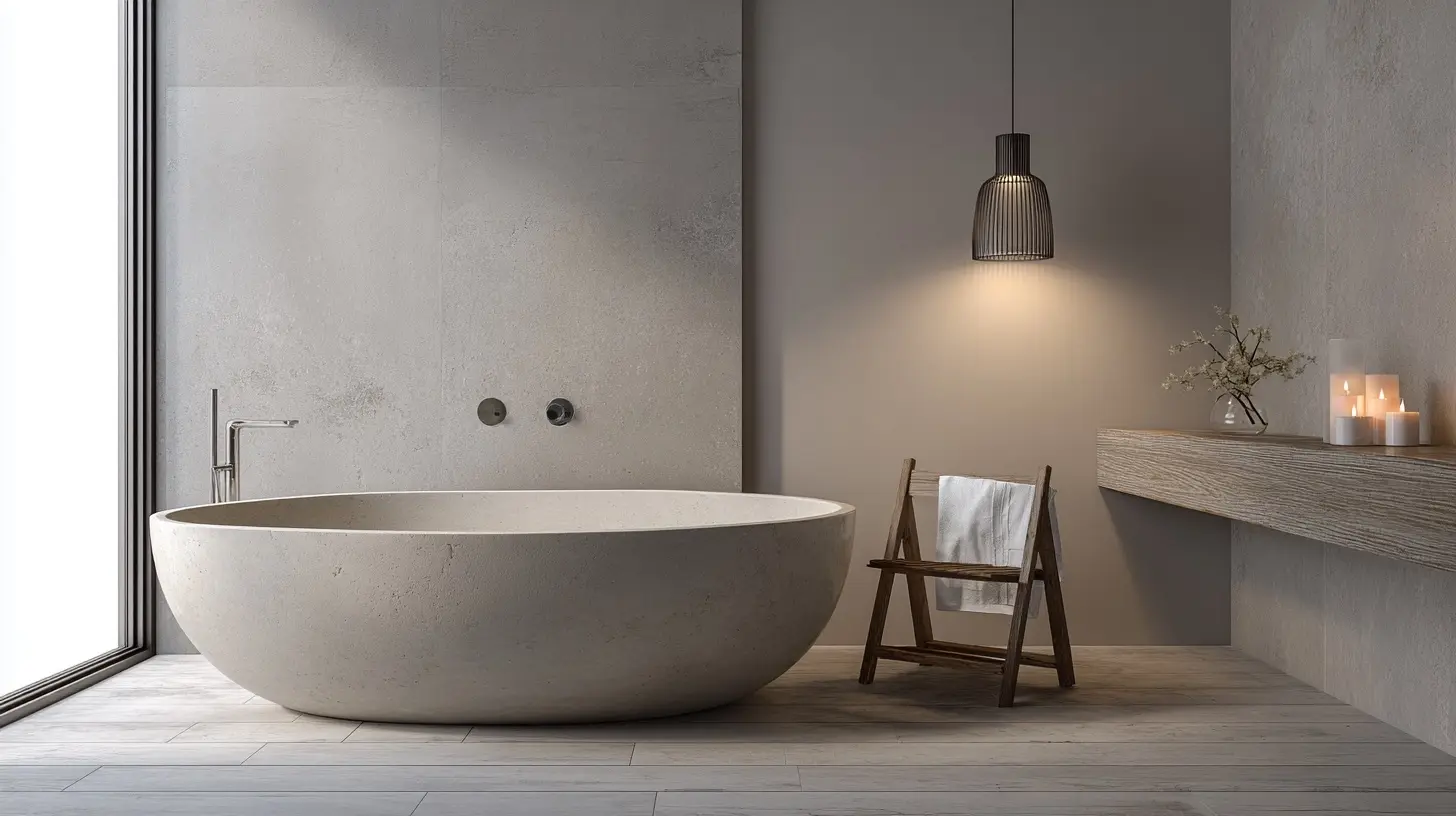
Fixture Trends That Will Define 2027
Smart toilets and bidet seats become normal, not novelty
The smart toilet has been "the future" for a decade. By 2027, the interesting shift is not the flagship models with every feature. It is the mainstreaming of bidet seats and integrated toilets at mid-market price points. The reasons are practical: improved hygiene, reduced toilet paper use, and better accessibility for people with limited mobility.What to consider before buying:
- Power and plumbing. Integrated smart toilets need a nearby outlet and, in many cases, a dedicated water line. Retrofitting a bathroom without these is expensive. If you are renovating, rough in the electrical now even if you install a standard toilet.
- Repairability. Electronic seats and toilets have control boards, pumps, and sensors. Ask about warranty length, parts availability, and whether the seat can be replaced independently of the bowl.
- Feature discipline. Heated seat, warm water, and adjustable spray are the features people actually use. Dryers, deodorizers, and app connectivity are nice but add failure points.
A common mistake is buying the cheapest electronic bidet seat and expecting it to last. The pump and heating element are where cost gets cut. Buy from a maker with a service network, not a marketplace listing with no support.
Thermostatic and digital shower controls
Thermostatic valves, long standard in parts of Europe, are gaining ground elsewhere. They hold water at a set temperature, which improves safety for children and older adults and reduces the annoying adjustment dance. Digital shower valves go further, letting you set exact temperatures, presets, and warm-up routines.Why this matters for 2027: as showers add multiple outlets (rain heads, hand showers, body sprays), manual mixing becomes unreliable. A thermostatic or digital valve manages pressure and temperature across outlets. The trade-off is cost and complexity. Digital valves need power, and some require proprietary controllers that may not be supported forever. If you go digital, choose a system with a manual override and confirm that replacement cartridges will be available for at least a decade.
Freestanding tubs give way to purposeful soaking
The freestanding tub is not disappearing, but the conversation is maturing. Buyers are asking better questions: how much water does it take to fill, how long does it take, and can the floor structure support it? In 2027, expect more compact freestanding tubs designed for soaking rather than sprawling, and more alcove tubs with integrated surrounds that are easier to clean and less demanding on structure.A practical note: a large freestanding tub can require 80 to 100 gallons to fill. That affects water heating, time to fill, and weight. Before committing, check the floor framing and the water heater capacity. A smaller, deeper soaking tub often delivers a better experience than a wide tub that leaves you cold.
Curbless showers and linear drains
Curbless showers are becoming the default in new builds and major renovations because they combine accessibility, clean sightlines, and easier cleaning. Linear drains make them work by collecting water across a wider area and allowing a single slope. The trade-offs are real: proper waterproofing and slope are critical, and a bad installation will leak. Hire a contractor who has done them before and insist on a flood test. The payoff is a shower that works for every age and ability and looks uncluttered.Wall-mounted fixtures and the concealed look
Wall-mounted toilets and vanities float above the floor, making cleaning easier and making small bathrooms feel larger. The concealed cistern and carrier system hide the mechanics. This trend continues into 2027, but with a caution: wall-mounted toilets require in-wall carriers rated for the load, and repairs mean opening the wall unless you install an access panel. Specify access panels. They are inexpensive and save enormous hassle later.
Finish Trends: What Will Look Right in 2027
Finishes are where trends move fastest and where regret is most expensive. The 2027 direction is toward warmth, texture, and honesty of material, with less polish and more durability.Warm metals keep their ground, but with a matte finish
Brushed brass, bronze, and warm nickel have been rising for years. By 2027, the shift is from shiny to matte and from uniform to slightly living finishes that patina. Living finishes change over time, which some people love and others hate. If you want a fixture to look identical in five years, choose a lacquered or PVD-coated finish. If you like character, an unlacquered brass will develop a unique patina, but it will show water spots and needs occasional care.Matte black matures, with caveats
Matte black fixtures remain popular because they read as modern and hide fingerprints better than polished chrome. The caveat is finish quality. Cheap matte black coatings can chip or wear at edges, especially on items you touch daily like faucets and handles. Look for physical vapor deposition (PVD) finishes, which bond at the molecular level and resist abrasion far better than painted or powder-coated surfaces. Avoid matte black on shower drains and floor-level items where abrasive cleaners will be used.Textured and honed stone surfaces
Polished stone is giving way to honed, brushed, and leathered finishes. These surfaces hide water spots and etching better and feel warmer underfoot. The practical benefit is significant in wet areas: a honed marble or limestone floor is less slippery than polished stone and far more forgiving of daily use. The trade-off is that some stones are porous and need sealing. Ask about absorption rate and maintenance schedule before choosing. Porcelain that mimics honed stone offers similar looks with lower maintenance and is often the smarter choice for high-traffic bathrooms.Large-format tile and fewer grout lines
Large-format tiles, including slabs, continue to grow because they reduce grout lines, which are where mold and dirt collect. By 2027, expect more 24 by 48 inch and larger formats, and more book-matched slabs for feature walls. The installation matters more than the tile: large formats require flat substrates and experienced setters. Budget for that. A beautiful slab installed poorly will look worse than modest tile installed well.Color: warm neutrals and grounded greens
The all-white bathroom is fading. Warm neutrals, clay tones, and muted greens are taking over, often paired with wood tones and warm metals. These colors are forgiving of water spots and make small bathrooms feel calmer. If you plan to sell within a few years, stay in the warm neutral range and add color through tile or paint rather than permanent fixtures.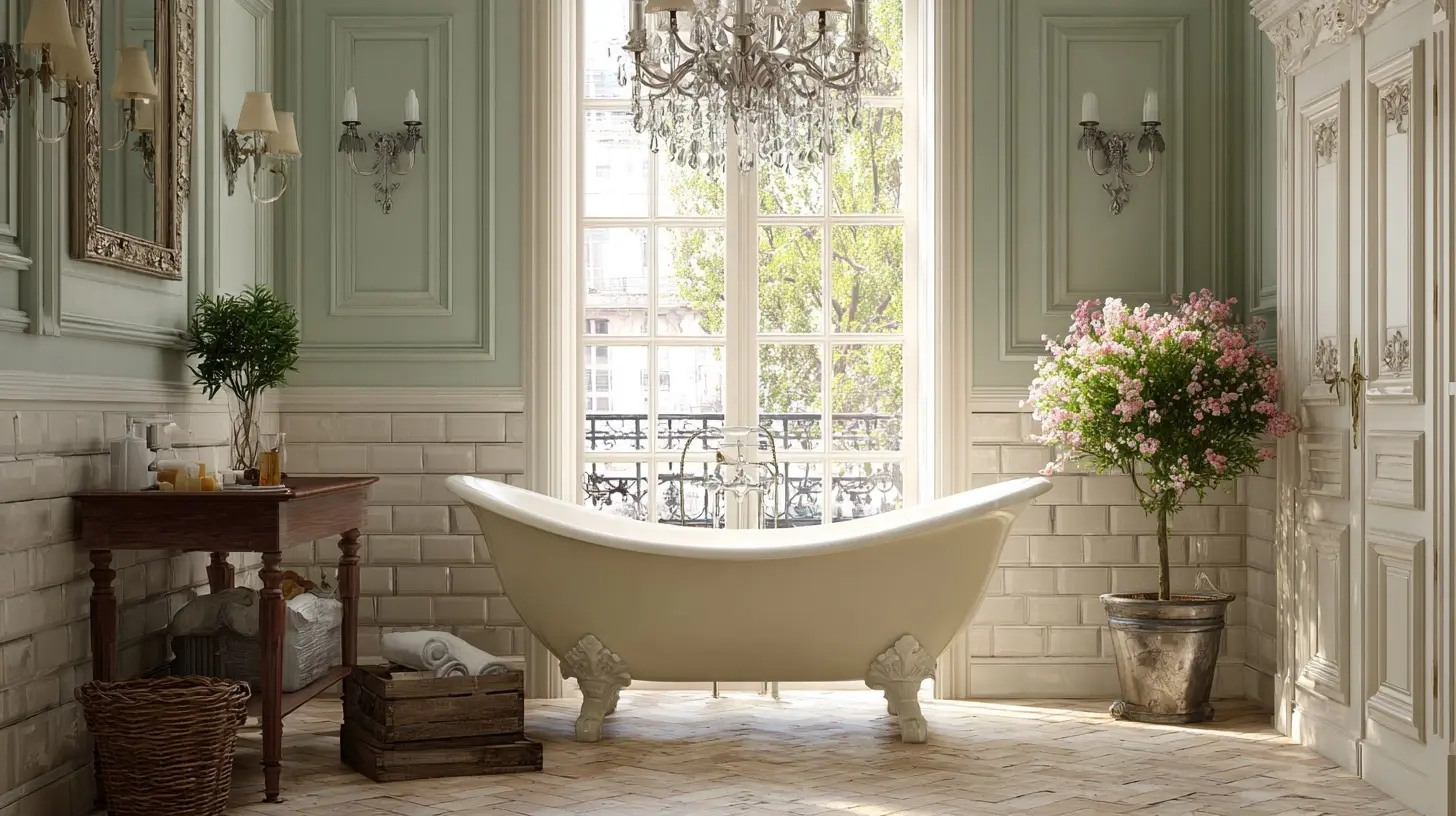
Materials and Construction: Where Quality Hides
Most bathroom failures are not about style. They are about moisture, movement, and cheap components. The 2027 trend is toward systems thinking: specifying materials that work together.Solid surface and sintered stone vanities
Vanity tops in engineered quartz remain popular, but sintered stone and solid surface are gaining. Sintered stone resists heat, scratches, and stains and comes in large slabs with minimal seams. Solid surface can be repaired and shaped seamlessly. Both cost more than laminate but far less than natural stone slabs in many cases. Consider how you use the vanity: if you leave hot styling tools down, sintered stone is the safer bet. If you want an integrated sink with no seams, solid surface is hard to beat.PVD and physical vapor deposition finishes
This deserves its own mention because it is the single biggest quality differentiator in fixtures right now. PVD finishes are applied in a vacuum process that bonds a thin layer to the substrate. They resist scratching, tarnishing, and fading far better than electroplated or painted finishes. If you are choosing a colored or black fixture, ask specifically whether the finish is PVD. It is the difference between a faucet that looks new in five years and one that looks tired in two.Waterproofing systems, not just membranes
Curbless showers, steam showers, and large-format tile all demand robust waterproofing. The trend is toward complete systems: bonded membranes, pre-formed corners, drain assemblies, and sealants from a single manufacturer. Mixed systems are where leaks happen. Insist on a single-brand waterproofing system installed by someone trained in it, and require a flood test before tile goes down.Ventilation as a finish protector
No finish survives poor ventilation. Steam and humidity destroy paint, degrade grout, and encourage mold. By 2027, expect more bathrooms with humidity-sensing exhaust fans and better integration between ventilation and lighting controls. If you are renovating, size the fan for the room volume and duct it properly to the exterior. A quiet, correctly sized fan protects every finish in the room.Practical Guidance: How to Choose Without Regret
Start with the household, not the showroom
List who uses the bathroom and how. A guest bath needs durability and easy cleaning. A family bath needs storage, safety, and surfaces that tolerate rough use. A primary bath can justify investment in comfort features. Match the fixture tier to the room's role. Putting a high-end digital shower in a rarely used guest bath is money poorly spent; putting cheap fixtures in the daily-use family bath is a false economy.Budget for what you cannot see
Waterproofing, ventilation, plumbing rough-in, and electrical for future smart fixtures are invisible but determine whether the bathroom works. A common mistake is overspending on visible finishes and underspending on the substrate. A mid-range tile over excellent waterproofing will outperform luxury tile over a rushed job every time. Allocate roughly 20 to 30 percent of the budget to prep and systems, and protect that number.Buy for serviceability
Ask three questions about any fixture: Can it be repaired? Are parts available? Who services it? Faucet cartridges, shower valves, and toilet fill valves are the parts that fail first. Choose brands with published parts diagrams and local service. Avoid proprietary systems with no manual override unless you accept the risk.Test finishes against your cleaning routine
Some finishes demand gentle care. Unlacquered brass, natural stone, and matte coatings can be damaged by abrasive or acidic cleaners. If you use strong bathroom cleaners, choose PVD finishes, porcelain, and quartz. Be honest about your habits. A finish that requires special care will not get it in a busy household.Plan for the next decade
Ask what happens when someone in the household has knee surgery or when a parent moves in. Reinforcement in walls for future grab bars, a curbless shower, and a comfort-height toilet cost little at the rough-in stage and save enormous money later. Even if you do not need them now, rough them in.
Common Misconceptions Worth Correcting
"Low-flow means low performance." Not anymore. Well-engineered low-flow fixtures use better spray patterns and pressure compensation. The key is buying quality, not just reading the flow number."Matte black is maintenance-free." It hides fingerprints but shows water spots and soap residue, and cheap coatings wear. PVD matte finishes are the durable option.
"Freestanding tubs are always more luxurious." They photograph well but can be harder to clean around, require more water, and demand structural checks. A well-chosen alcove tub is often the better daily experience.
"Smart fixtures are plug-and-play." They need power, sometimes a dedicated water line, and ongoing support. Plan the infrastructure before you fall in love with the product.
"Large tile means fewer problems." Fewer grout lines, yes, but large formats demand flat substrates and skilled installers. Poor installation shows more, not less.
Final Recommendations for 2027 Readiness
If you are making decisions now, here is a practical short list. Prioritize a curbless or low-threshold shower with a linear drain and single-brand waterproofing. Choose PVD finishes for anything you touch daily. Invest in a thermostatic shower valve and a correctly sized, humidity-sensing exhaust fan. Rough in electrical and water for a bidet seat even if you install a standard toilet today. Choose warm neutrals and honed textures over high-gloss surfaces. And keep 20 to 30 percent of the budget for the parts nobody sees.The bathrooms that will feel right in 2027 are not the loudest ones. They are the ones that were planned around real people, specified with repairability in mind, and finished with materials that age with dignity. That is a trend worth following.
all images in this post were generated using AI tools
Category:
Home RenovationAuthor:

Mateo Hines