Urban Vertical Farms: A New Trend for Real Estate and Agriculture
24 May 2026
The world is changing, and so is the way we grow food. Imagine walking through a bustling city and finding lush green farms stacked high in glass towers. Sounds futuristic, right? Well, it's happening right now! Urban vertical farms are taking over city skylines, merging real estate with agriculture in ways we've never seen before. But why is this trend catching on so fast, and what does it mean for the future of farming and real estate? Let’s dig in.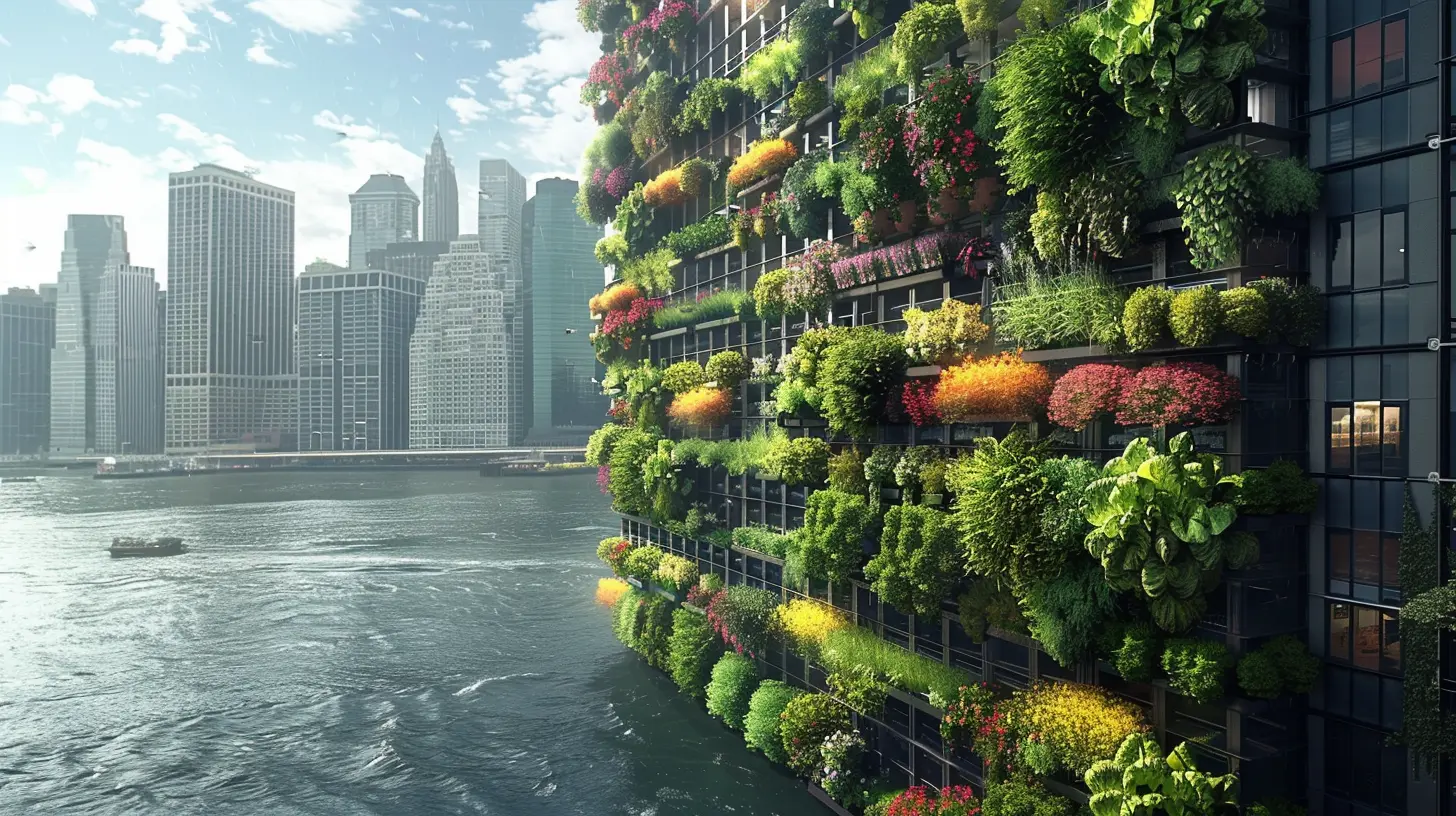
What Are Urban Vertical Farms?
In simple terms, urban vertical farms are multi-story farms built within cities. Instead of spreading crops across acres of farmland, these farms grow upwards in controlled environments using methods like hydroponics, aeroponics, and aquaponics. Think of them as high-tech greenhouses stacked one on top of the other—except they don’t need soil and use far less water than traditional farming.Why Are They Becoming So Popular?
Urbanization has led to a major problem: shrinking farmland and increasing food demand. By 2050, the global population is expected to hit nearly 10 billion. Feeding all those people with traditional farming methods alone? That’s a tough challenge. Vertical farming offers a sustainable solution by making the most of limited space while reducing the environmental impact of agriculture.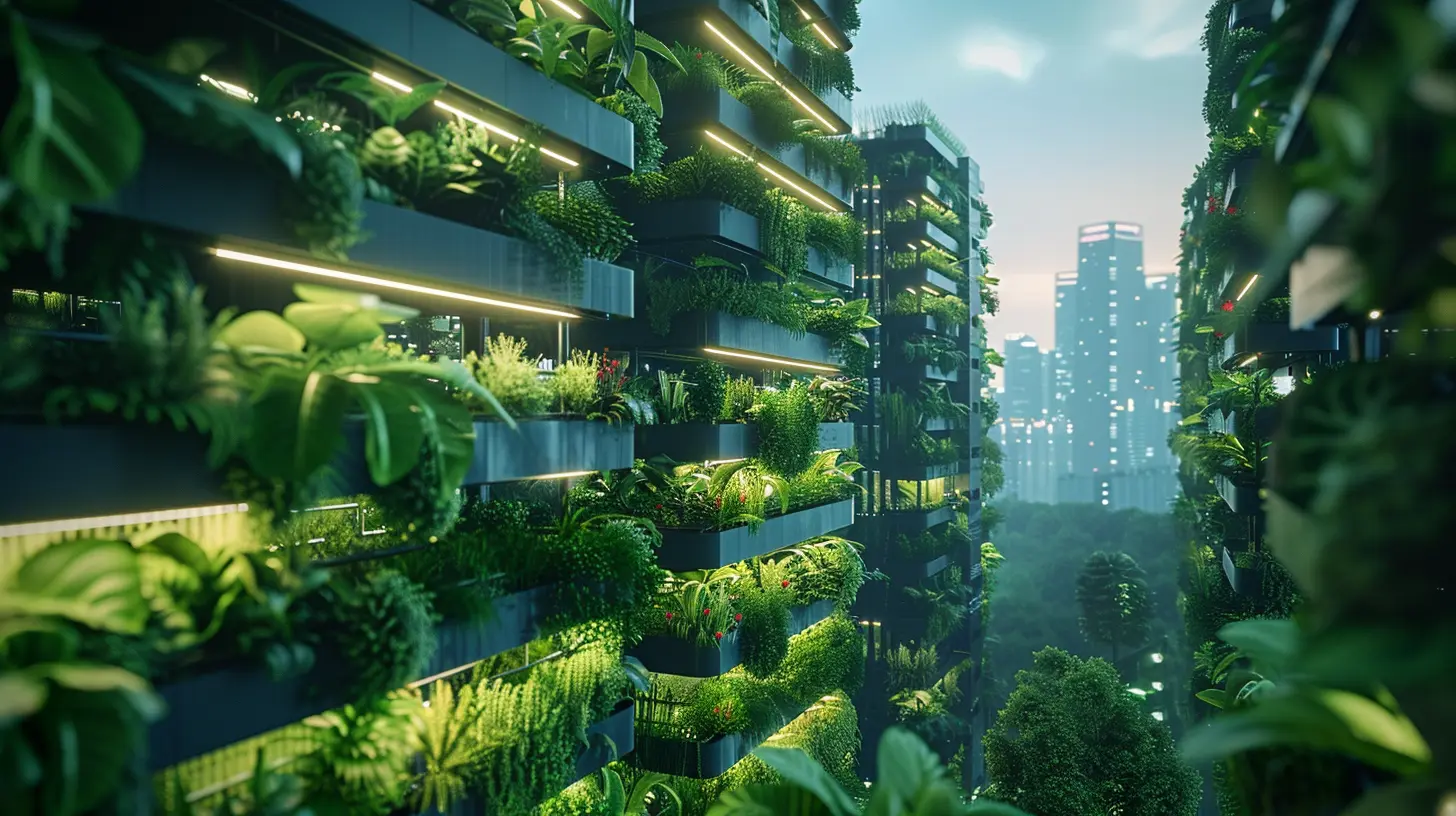
The Rise of Vertical Farming in Real Estate
From Warehouses to Skyscrapers
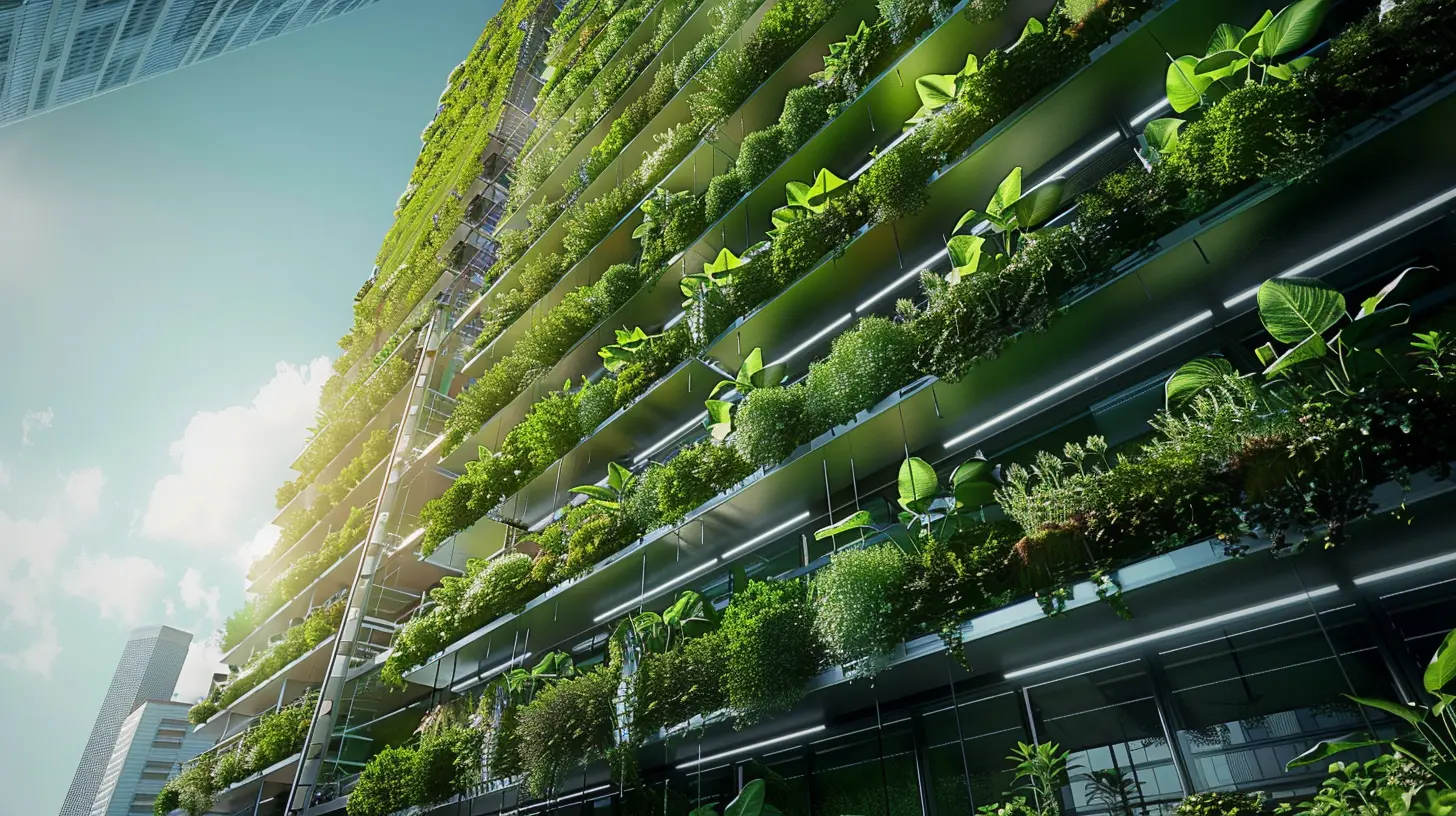
At first, vertical farms popped up in old warehouses and abandoned factories. But now, real estate developers are integrating these farms into new residential and commercial buildings. Imagine living in a high-rise where fresh produce is grown just a few floors below your apartment. No more long-distance food transport—just farm-to-table in its purest form.Benefits for Property Developers
For real estate investors, vertical farming is more than just a green trend—it’s a financial opportunity. Buildings that incorporate urban farms attract eco-conscious buyers and tenants. Plus, vertical farms increase a property’s value by making it self-sufficient and reducing its overall carbon footprint.Key Advantages for Developers:
- Higher property value: Sustainable buildings are more attractive to buyers.- Lower energy costs: Farms in buildings can regulate temperature, reducing heating and cooling expenses.
- Increased tenant satisfaction: Who wouldn't love access to fresh, organic food right at home?
How Vertical Farming Is Changing Agriculture
Vertical farms aren’t just a cool addition to urban spaces—they’re revolutionizing the agriculture industry.Sustainable Farming Practices
Traditional farming methods consume excessive water, rely heavily on pesticides, and contribute to deforestation. Vertical farms, on the other hand, are hyper-efficient.- 90% less water usage: These farms recycle water, making them perfect for areas facing drought.
- No pesticides needed: Controlled environments eliminate the need for harmful chemicals.
- Year-round growing: No more waiting for the right season—vertical farms provide fresh produce all year long.
Localized Food Production
One of the biggest challenges in farming is transportation. Most grocery store produce travels thousands of miles before reaching shelves. Vertical farms cut down on transport emissions by growing food where people live. That means fresher food, lower costs, and a healthier planet.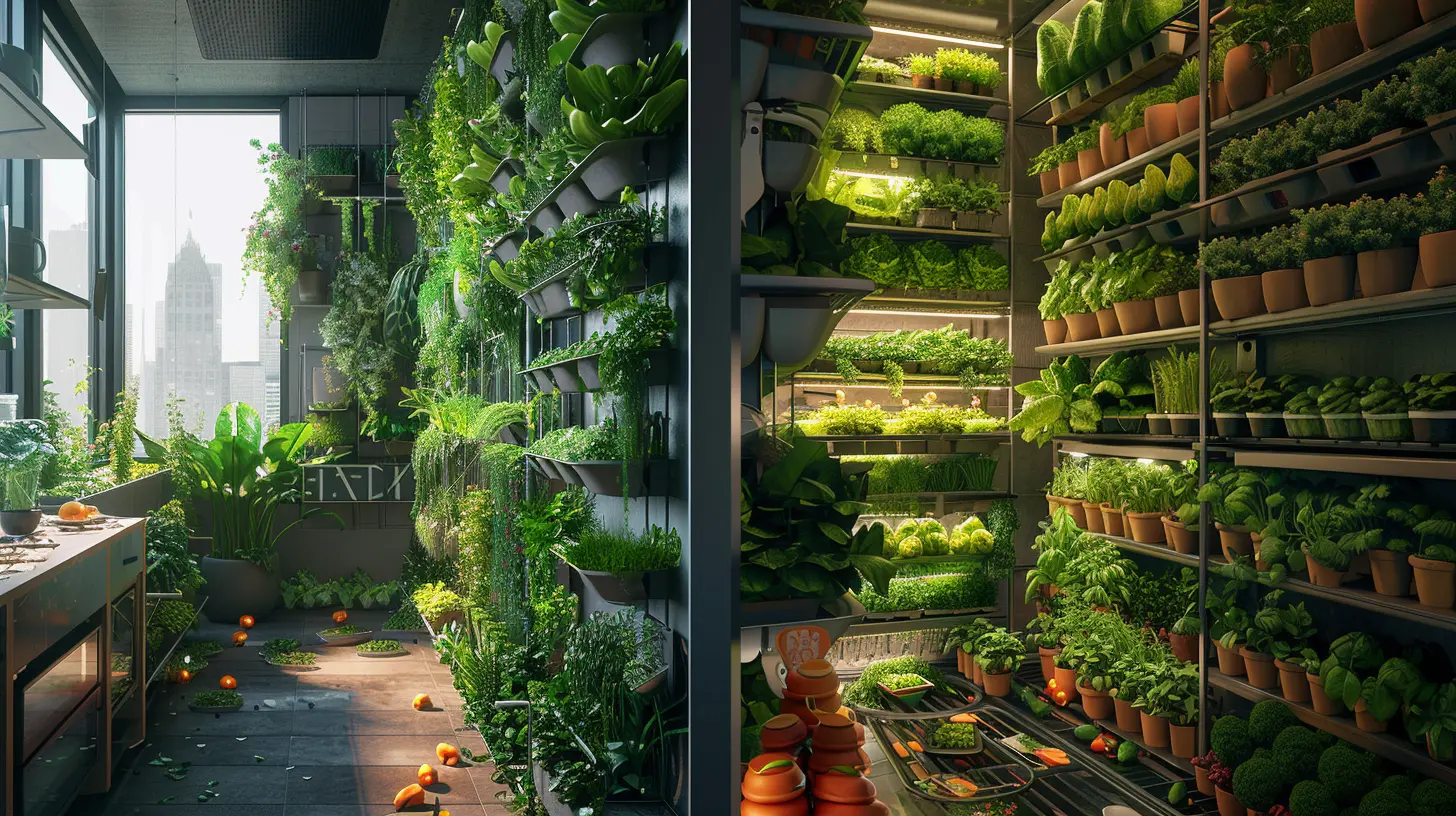
Challenges Facing Urban Vertical Farms
Of course, no innovation is without its hurdles. While vertical farms offer many benefits, they also come with a few roadblocks.High Initial Costs
Setting up a vertical farm requires serious investment. The technology, energy consumption, and specialized infrastructure can be expensive. However, as technology advances, costs are expected to decrease, making vertical farming more accessible.Energy Consumption
Running a controlled farm indoors requires artificial lighting, temperature control, and ventilation—all of which consume electricity. Some farms are now integrating renewable energy sources like solar and wind power to counterbalance these costs.Scaling the Model
Despite the excitement, vertical farms currently focus on leafy greens, herbs, and small fruits. Expanding this model to include staple crops like wheat, rice, or corn is a major challenge researchers are still tackling.The Future of Urban Vertical Farms
The future looks promising for urban vertical farming. As technology improves and sustainability becomes a greater priority, more cities will adopt these farms as part of their real estate developments.Smart Farming Technology
With AI and automation, vertical farms are becoming even more efficient. Smart systems monitor plant growth, optimize water and nutrient use, and even predict harvest times. This level of precision ensures maximum yields with minimal waste.Integration into Smart Cities
As cities aim to become more self-sustaining, vertical farms will play a crucial role. Mixed-use developments are already incorporating them into residential and commercial buildings, transforming urban landscapes into green, food-producing hubs.A Shift in Consumer Mindset
People demand healthier, fresher food. As urban dwellers become more conscious of their carbon footprint, the appeal of locally grown, pesticide-free produce will continue to rise. Vertical farms make this shift possible.Conclusion
Urban vertical farms are more than a passing trend—they’re the future of agriculture and real estate. By merging these two industries, vertical farming provides a sustainable, space-saving solution to food production challenges. While there are hurdles to overcome, the potential benefits for cities, consumers, and investors are too great to ignore.So, next time you see a skyscraper, don’t just think of it as a building. It might just be the farm of the future.
all images in this post were generated using AI tools
Category:
Real Estate DevelopmentAuthor:

Mateo Hines
Discussion
rate this article
1 comments
Declan Myers
Imagine munching on fresh greens grown on your building's rooftop while birds eye view all of downtown! Urban vertical farms are like skyscrapers getting a plant makeover. Who knew cultivating kale and broccoli could boost property values too... what a twist!
May 27, 2026 at 11:08 AM
Mateo Hines
Absolutely! Urban vertical farms not only enhance our diets but also add unique value to properties. It's a win-win for city living.