What Are Closing Costs and How to Prepare for Them in 2027
23 October 2026
Buying a home is an emotional milestone and a financial commitment that stretches well beyond the down payment. Many buyers spend months saving for that down payment, only to feel blindsided at the finish line when their lender presents a settlement statement with thousands of dollars in additional fees. Those fees are closing costs, and understanding them before you sign anything is one of the most practical ways to protect yourself as a buyer or seller in 2027.
This guide breaks down what closing costs actually are, why they exist, how they are likely to shift in the 2027 market, and how you can prepare with confidence rather than anxiety. It is written for real people navigating a complicated process, not for accountants who already know the answers.

What Closing Costs Really Are
Closing costs are the collection of fees and expenses required to finalize a real estate transaction. They cover the work of everyone involved in transferring ownership: the lender, the title company, the appraiser, the local government, and sometimes the real estate agents. They are not a single line item. They are a stack of charges, each tied to a specific service or legal requirement.For buyers, closing costs typically range between 2 and 6 percent of the purchase price, though that range varies widely by location, loan type, and the specifics of the deal. On a $400,000 home, that could mean anywhere from $8,000 to $24,000 due at settlement. Sellers also pay closing costs, often through agent commissions, transfer taxes, and title-related fees, though the exact split depends on local custom and negotiation.
The key insight many buyers miss is that closing costs are not fixed. Some are negotiable, some are set by law, and some depend on choices you make during the loan process. Understanding which is which gives you real leverage.

The Main Categories of Closing Costs
Rather than listing every possible fee in one overwhelming block, it helps to group closing costs by who is charging them and why.Lender-Originated Fees
These are the charges your mortgage lender imposes for originating and underwriting the loan. They include the origination fee, application fee, underwriting fee, and sometimes a rate lock fee. These fees compensate the lender for evaluating your financial profile, processing paperwork, and assuming the risk of lending to you.Some lenders advertise "no origination fee" loans, but that does not mean the cost disappears. It is usually absorbed into a higher interest rate. A slightly higher rate over 30 years often costs far more than a one-time origination fee, so compare the annual percentage rate carefully rather than focusing only on the upfront number.
Third-Party Service Fees
These are charges from outside providers the lender requires. The appraisal fee pays a licensed appraiser to confirm the home's value. The credit report fee covers the cost of pulling your credit history. Flood certification, tax service fees, and pest inspection fees may also appear depending on the property and location.Because these providers are often chosen by the lender, your control is limited, but you are entitled to see them upfront. The Loan Estimate you receive after applying should list them clearly.
Title and Escrow Costs
Title insurance protects the lender and, optionally, you against claims that someone else has an ownership interest in the property. The title search and title insurance premium are often among the largest closing costs after lender fees. Escrow fees pay a neutral third party to hold funds and manage the closing.Title insurance is one area where shopping matters. In some states, title insurance rates are regulated, so there is little room to negotiate. In others, you can compare providers. Asking your real estate agent or attorney for a recommendation is common, but you should still ask whether the quoted premium includes any discounts, such as a reissue rate if the seller recently refinanced.
Government Recording and Transfer Fees
Local governments charge fees to record the deed and mortgage, and many states and municipalities impose transfer taxes when property changes hands. These are largely non-negotiable because they are set by statute. However, who pays them is often negotiable and varies by region. In some markets, the seller customarily pays transfer taxes; in others, the buyer does. Knowing local custom before you make an offer prevents unpleasant surprises.Prepaid Items and Escrow Deposits
This category confuses many buyers because it is not a fee in the traditional sense. Prepaid items include homeowner's insurance for the first year and prepaid interest from your closing date to the end of the month. Escrow deposits fund your future property tax and insurance payments, which your lender will hold and disburse on your behalf.These costs are real money at closing, but they are not wasted. They are your money, held in reserve for expenses you would pay anyway. Still, they add to the cash you need on closing day, and first-time buyers often underestimate them.

Why Closing Costs Exist at All
It is reasonable to wonder why buying a home requires so many separate payments. The answer lies in risk and verification. A home purchase is one of the largest financial transactions most people ever make, and every party involved needs assurance that their interests are protected.The lender needs to confirm the property is worth what you are paying and that no one else has a claim to it. The government needs a record of ownership for tax and legal purposes. The title company needs to guarantee that the chain of ownership is clean. Each of these functions costs money, and closing costs are simply the itemized price of that protection.
Understanding this framing helps buyers approach closing costs as a form of risk management rather than as arbitrary fees. It also helps you evaluate which costs are worth questioning and which are genuinely necessary.
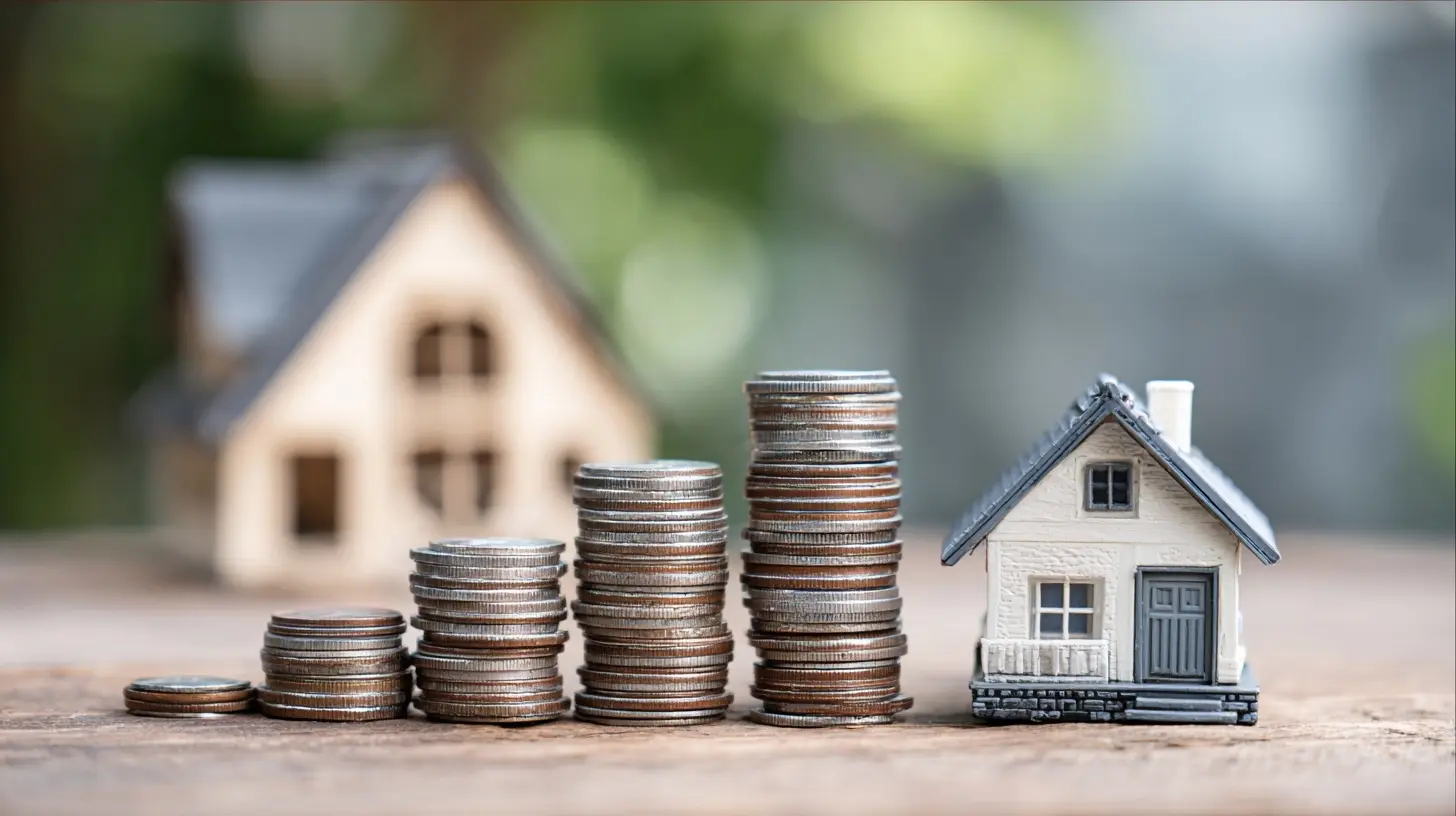
How the 2027 Landscape Is Shifting
Real estate costs do not stay static, and several trends are likely to shape closing costs in 2027. These are not predictions of specific numbers, but directional shifts worth watching.Greater Fee Transparency
Regulators and consumer advocates have pushed for clearer disclosure of closing costs for years. Lenders are increasingly required to present fees in standardized formats, and digital closing platforms are making it easier to compare estimates side by side. In 2027, buyers should expect more tools that break down fees line by line, which reduces the chance of surprise charges but also means you have less excuse for not reviewing them.Technology Reducing Some Fees, Not All
Electronic signatures, remote online notarization, and digital title searches are lowering certain administrative costs. Some of those savings may be passed to consumers, particularly in refinance transactions. However, the core costs, such as title insurance, appraisal, and government recording, are unlikely to shrink meaningfully because they reflect real labor, risk, and statutory requirements. Do not assume that a tech-forward lender will automatically be cheaper; compare the full Loan Estimate.Insurance and Tax Volatility
Homeowner's insurance premiums have risen sharply in many regions due to climate risk and rebuilding costs. Because your first year of insurance is often prepaid at closing, higher premiums directly increase your closing costs. Similarly, property tax reassessments can affect escrow deposit calculations. In 2027, buyers in disaster-prone or rapidly appreciating markets should budget a cushion above the standard estimate.Negotiation Is Becoming More Common
In competitive markets, buyers often hesitate to ask sellers for closing cost credits. As inventory conditions vary by region, more buyers may find room to negotiate seller concessions. A seller credit toward closing costs can be more valuable than a small price reduction because it reduces the cash you need at the table without lowering the home's appraised value.Preparing Financially: A Practical Framework
Preparation is where most buyers either succeed or stumble. The following framework is designed to be actionable rather than theoretical.Step 1: Get a Loan Estimate Early
Before you fall in love with a house, get pre-approved and request a Loan Estimate from at least two lenders. The Loan Estimate is a standardized form that lists projected closing costs. Comparing two or three estimates side by side reveals which fees are consistent and which vary. A lender with a low rate but unusually high fees may cost more over time than one with a slightly higher rate and modest fees.Step 2: Build a Closing Cost Reserve
Treat closing costs as a separate savings goal from your down payment. A practical approach is to target 3 to 5 percent of your expected purchase price for closing costs, then add a buffer for prepaid insurance and escrow deposits. If you are buying in a high-tax area or a region with elevated insurance premiums, lean toward the higher end.Step 3: Ask About Seller Credits
Seller concessions, sometimes called seller credits, are a common way to offset closing costs. Your agent can negotiate these as part of the offer. Lenders cap how much sellers can contribute based on loan type and down payment, so confirm the limits with your loan officer before structuring an offer around a credit.Step 4: Time Your Closing
Closing at the end of the month can reduce prepaid interest because you pay interest only for the days remaining in the month. Closing early in the month means more prepaid interest at the table. This is a small lever, but on a large loan it can amount to a few hundred dollars.Step 5: Review the Closing Disclosure Carefully
Three business days before closing, you should receive a Closing Disclosure. Compare it line by line against your Loan Estimate. Fees that increased beyond allowed tolerances may entitle you to a refund or require explanation. Ask questions about anything that changed. This is not being difficult; it is being responsible.
Common Mistakes and Misconceptions
Many closing cost problems stem from avoidable misunderstandings. Here are the ones that come up most often.Misconception: Closing Costs Are Always Negotiable
Some are, some are not. Government recording fees and transfer taxes are set by law. Lender fees may be negotiable in some cases, especially if you have a strong application and are comparing offers. Title insurance may be negotiable depending on state regulation. Knowing the difference prevents wasted effort and helps you focus negotiation where it matters.Mistake: Ignoring the Escrow Deposit
Buyers often budget for fees but forget the escrow cushion. Your lender may require several months of property taxes and insurance held in reserve. This can add thousands of dollars to the cash needed at closing, particularly for buyers putting less than 20 percent down.Mistake: Choosing a Lender on Rate Alone
A lower interest rate is attractive, but if the lender charges high origination and processing fees, the total cost may be higher. Compare the annual percentage rate, which incorporates both rate and fees, and review the Loan Estimate's fee breakdown.Mistake: Skipping the Title Search Explanation
Title issues are rare but serious. A lien, an unknown heir, or a recording error can cloud ownership. Title insurance and a thorough title search protect you. Do not dismiss these costs as bureaucratic overhead; they exist because ownership disputes do happen and resolving them after closing is far more expensive than preventing them.Buyer Versus Seller: Who Pays What
The split between buyer and seller closing costs varies by market and is often shaped by local custom rather than law. In general, sellers pay agent commissions, transfer taxes in some states, and certain title fees. Buyers pay lender fees, appraisal, credit reports, and their own title insurance policy.However, these norms are not universal. In some regions, buyers customarily pay for the owner's title policy. In others, sellers cover it. The best approach is to ask your agent for a written breakdown of local customs before you make an offer, and to confirm which items are negotiable in your specific contract.
Strategies for Managing Closing Costs in 2027
Beyond the basics, a few advanced strategies can help you manage closing costs more effectively.Lender Credits
Some lenders offer credits toward closing costs in exchange for a slightly higher interest rate. This trade-off can make sense if you plan to stay in the home for a short time or if cash at closing is tight. Over a long holding period, the higher rate usually costs more, so run the math for your expected timeline.Shop Title Insurance Where Allowed
In states with competitive title insurance markets, comparing two or three providers can save meaningful money. Ask about reissue rates, which apply when a property has been recently insured, and about simultaneous issue discounts if you are buying both lender's and owner's policies.Use a Closing Cost Calculator as a Starting Point
Online calculators can give you a rough estimate, but they cannot account for local taxes, insurance volatility, or your specific loan terms. Use them to set expectations, then rely on your Loan Estimate for accuracy.Communicate With Your Loan Officer
If a fee seems high or unexplained, ask. Loan officers can often clarify what a fee covers or whether an alternative product has lower costs. Silence costs money in this process.Final Thoughts on Being Prepared
Closing costs are not a hidden trap, but they are easy to overlook when your attention is focused on the home itself. The buyers who handle them well are the ones who ask questions early, compare estimates, and build a cushion rather than budgeting to the penny. In 2027, with insurance and tax costs in flux and more tools for transparency available, preparation is more achievable than ever. Treat closing costs as a planned part of your purchase, not an afterthought, and the finish line will feel far less daunting.
all images in this post were generated using AI tools
Category:
Real Estate GlossaryAuthor:

Mateo Hines