What to Do if a Home Inspection Reveals Major Defects
21 January 2026
Buying a home is an exciting milestone, but nothing kills the vibe faster than a home inspection report packed with major defects. Cracked foundations, faulty wiring, roof leaks—yikes! So, what do you do when your dream home is hiding some nightmare surprises? Do you run for the hills or negotiate like a boss?
Let’s break it down in plain English and figure out your best move. 
Why Home Inspections Matter
Before we dive into damage control, let’s get one thing straight—home inspections aren’t just a formality. They’re your safety net. Sure, they cost a few hundred bucks, but skipping one is like buying a car without checking under the hood.A proper inspection uncovers issues that could cost you thousands (or even make the home downright unsafe). And if you're about to drop a six-figure sum, don’t you want to know exactly what you're getting into? 
What Are Major Defects in a Home Inspection?
Not all home issues are created equal. A squeaky floorboard? Annoying but no biggie. A cracked foundation? That’s a major headache.A major defect is a problem that affects the home's structure, safety, or livability. Here are some red flags that should make you pause:
- Foundation Cracks & Structural Issues – These can compromise the house’s stability.
- Roof Leaks & Damage – A failing roof can lead to water damage, mold, and expensive repairs.
- Electrical Problems – Faulty wiring isn’t just outdated—it’s a fire hazard.
- HVAC System Failures – Heating and cooling issues can be costly and uncomfortable.
- Plumbing Nightmares – Leaks, poor drainage, or ancient pipes could mean big trouble.
- Mold & Water Damage – This isn’t just ugly; it’s a health risk.
- Pest Infestations – Termites can quietly destroy a home’s structure.
Spotting any of these? Buckle up—it’s negotiation time. 
Step 1: Don’t Panic! (Seriously, Take a Breath)
First off, don’t freak out. A bad inspection report isn’t the end of the world. Almost every home (even new ones) has flaws. The trick is figuring out which issues are deal-breakers and which ones you can work with.If your inspection report looks like a horror story, don’t rush to bail just yet. You’ve still got options. 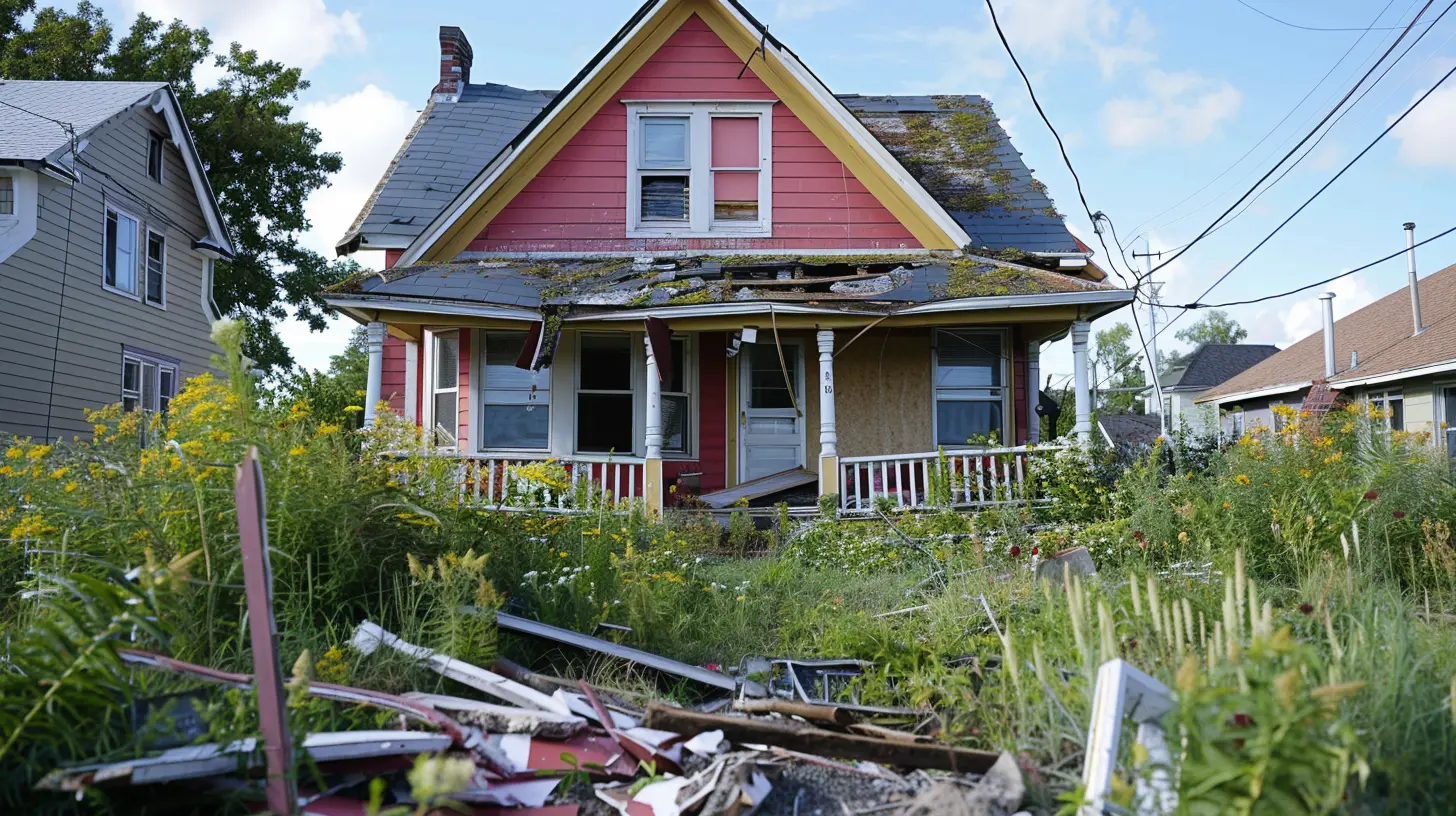
Step 2: Understand the Severity of the Issues
Not every "major defect" is a deal-killer. Some problems sound scary but are totally fixable. Others? Not so much.Ask yourself:
- Will this cost me a fortune to fix?
- Does it make the home unsafe?
- Can I negotiate with the seller to cover the costs?
- Am I comfortable handling these repairs after closing?
If the answers lean toward "this is a disaster," you might want to reconsider.
Step 3: Get Repair Estimates
Before making any big decisions, bring in the pros. A contractor or specialist can give you a realistic estimate of what the repairs will cost.For example:
- A minor roof repair might run you $1,500-$3,000, but a full roof replacement? $10,000+.
- Fixing an electrical panel could be $2,000-$5,000, depending on the severity.
- Foundation repairs? They can be anywhere from $5,000 to a gut-wrenching $40,000+.
Knowing the numbers helps you negotiate like a seasoned house-buying warrior.
Step 4: Negotiate Like a Boss
Once you know what you're dealing with, it’s time to talk money. There are three main ways to handle this:1. Ask the Seller to Fix the Issues
If the problems are serious but repairable, ask the seller to take care of them before closing. This is ideal because you won’t have to deal with the hassle.2. Request a Price Reduction
If the seller isn’t willing to do the repairs but you still want the home, ask for a price drop to cover the costs. This way, you control the quality of the repairs and can ensure they're done right.3. Walk Away (If Necessary)
Some problems are just too big. If the home has structural issues, extensive mold, or plumbing disasters that will drain your wallet, it might be smarter to walk away. Most home purchase contracts have an inspection contingency, allowing you to back out without losing your deposit.Step 5: Consider Your Financing Options
If the house needs major work but you're still in love with it, financing could help. Some options include:- Renovation Loans – FHA 203(k) or Fannie Mae’s HomeStyle loans can roll repair costs into your mortgage.
- Seller Concessions – If the seller won’t lower the price, they might cover some of your closing costs to free up cash for repairs.
- Personal Loans & Home Equity Lines of Credit (HELOCs) – Not ideal for buyers, but worth considering if you're desperate to make it work.
Step 6: Reevaluate Your Investment
At this point, you’ve got the facts, the costs, and the negotiation results. Now's the time for some soul-searching.- Are you willing to live with these problems?
- Do you have the budget (or patience) for repairs?
- Is this house still worth the price?
If the answer is yes, go for it! If not, there are plenty of other homes out there—you just have to keep looking.
Final Thoughts: It’s Not the End of the World
A bad home inspection report can feel like a punch in the gut, but it doesn’t have to derail your home-buying dreams. The key is staying level-headed, gathering the right information, and making an informed decision.Remember, no house is perfect. But your dream home shouldn't turn into a money pit either. So, negotiate smart, know when to walk away, and above all—trust your gut.
all images in this post were generated using AI tools
Category:
Home InspectionsAuthor:

Mateo Hines
Discussion
rate this article
2 comments
Marni McDowell
Great insights! Home inspections can be daunting, but they also provide a wonderful opportunity to make informed decisions and negotiate wisely. Embrace the process, and remember, every challenge can lead to finding your dream home! 🏡✨
January 29, 2026 at 12:40 PM
Mateo Hines
Thank you! Embracing the inspection process truly empowers buyers to navigate challenges and make informed choices. Happy house hunting! 🏡✨
Calder Oliver
Great article! It’s crucial for buyers to remain calm and proactive after a home inspection reveals major defects. Prioritize understanding the severity of issues, getting repair estimates, negotiating with the seller, or reconsidering the purchase to ensure a sound investment.
January 22, 2026 at 4:55 AM
Mateo Hines
Thank you! Staying calm and proactive is essential for making informed decisions after a home inspection. Your insights on prioritizing issues and negotiating are spot on!