What to Expect When Building Your Dream Home in 2027
10 November 2026
Building your dream home is an exciting journey, but it can also be filled with challenges and decisions that require careful consideration. As we approach 2027, the landscape of home construction is evolving due to advancements in technology, changes in regulations, and shifts in buyer preferences. This article will help you navigate the complexities of building a home in this dynamic environment, providing insights into what to expect and how to prepare.
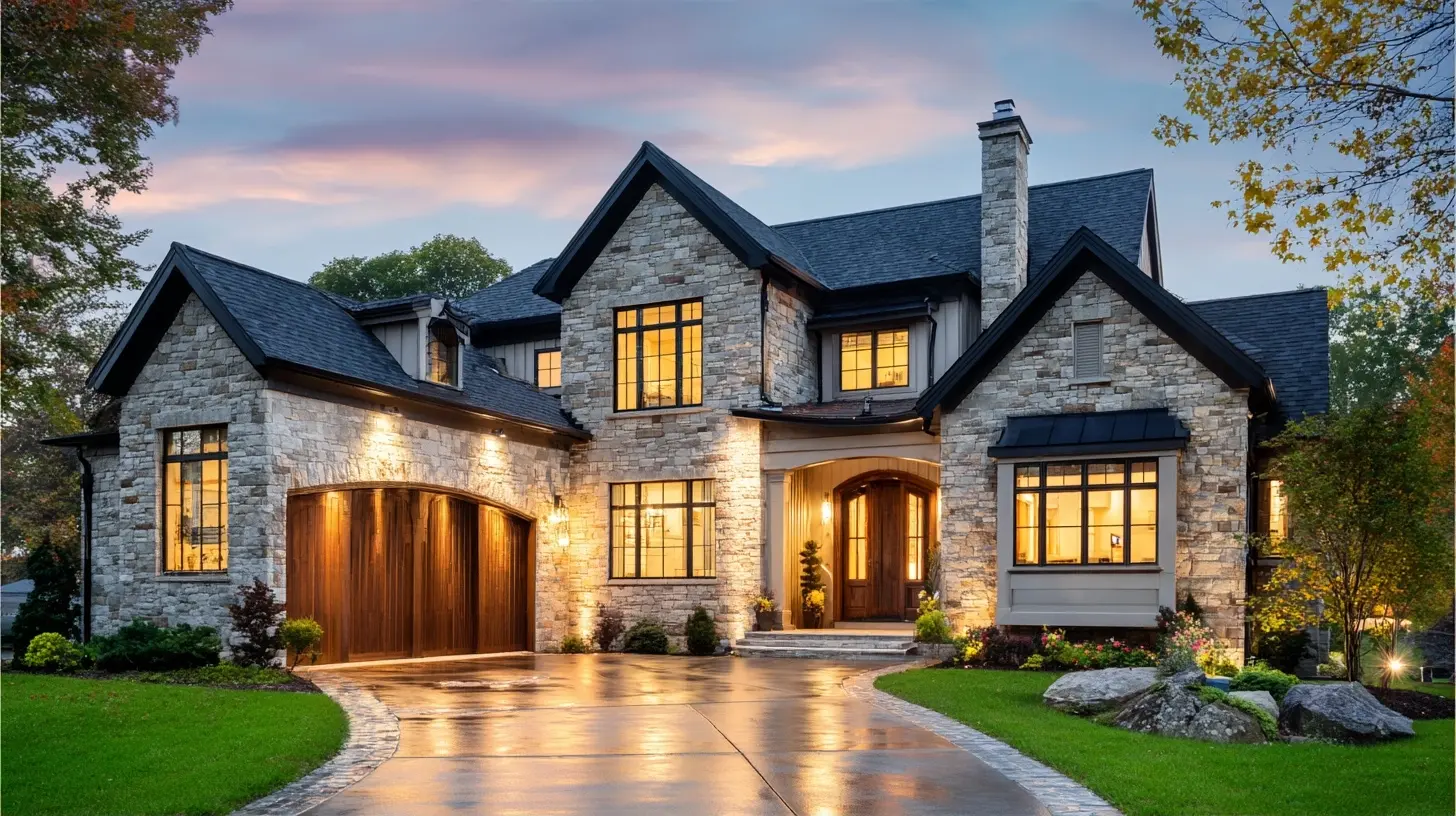
Understanding the Current Trends in Home Construction
Sustainability and Eco-Friendly Practices
In 2027, sustainability is no longer just a trend; it has become a standard expectation among homebuyers. Many builders now prioritize eco-friendly materials and energy-efficient designs. This shift is driven by increased awareness of climate change and the desire for homes that minimize environmental impact.Why It Matters
Building a sustainable home not only benefits the planet but can also save you money in the long run. Energy-efficient homes often come with lower utility bills, and many states offer tax incentives for using renewable energy sources.Practical Advice
Consider investing in solar panels, high-efficiency HVAC systems, and sustainable materials like bamboo or reclaimed wood. Research local incentives for green building practices, as these can offset initial costs.Smart Home Technology
Smart home technology continues to gain traction. In 2027, you can expect homes to be equipped with advanced automation systems that enhance convenience, security, and energy management.Advantages and Disadvantages
While smart technology can improve your home's functionality, it can also introduce complexities. Systems can be expensive to install and may require ongoing maintenance or updates.Best Practices
Choose technology that adds real value to your lifestyle. For instance, smart thermostats can help manage energy consumption, while advanced security systems can provide peace of mind. However, avoid overcomplicating your home with gadgets that you may not use regularly.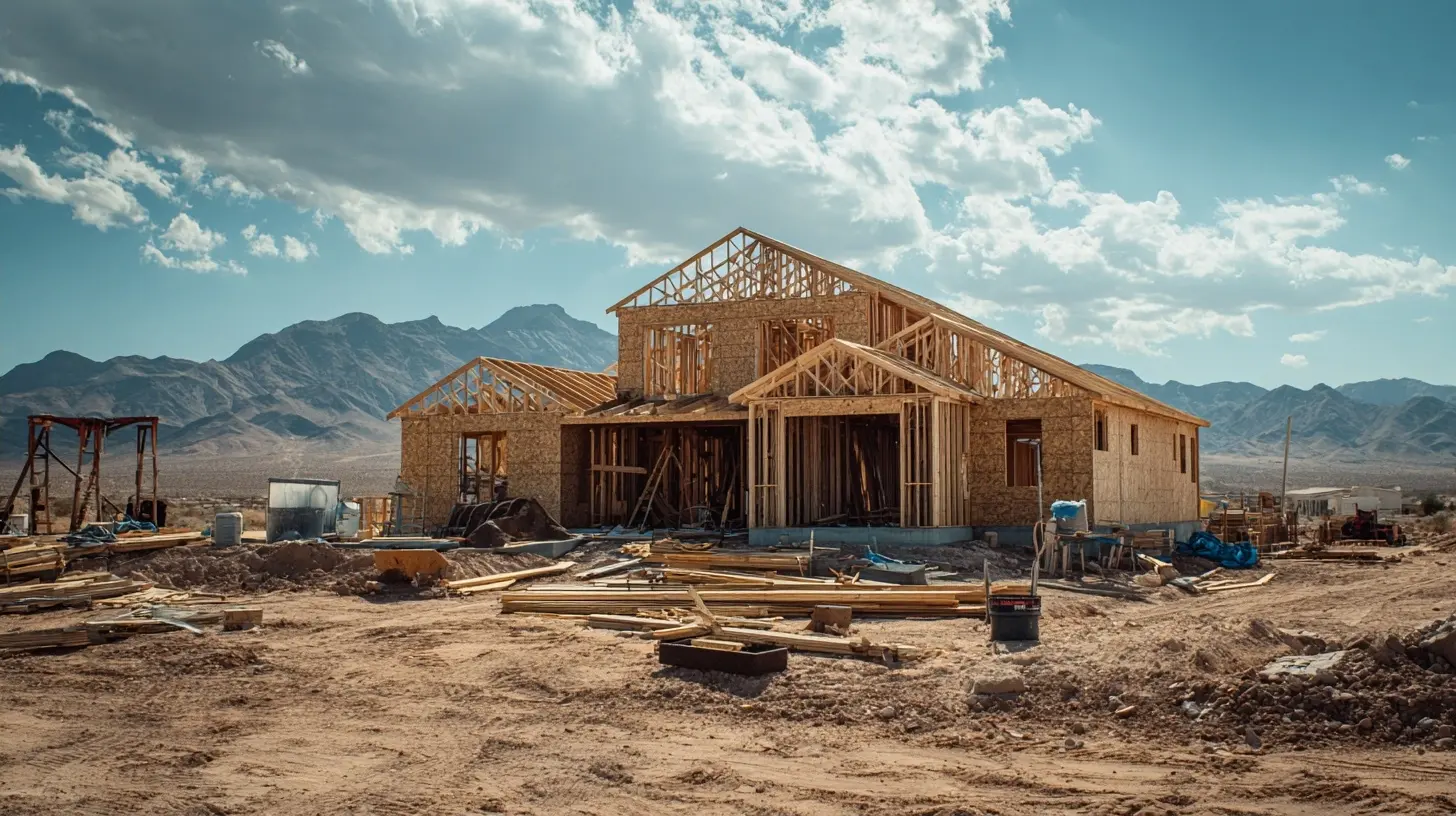
Navigating the Building Process
Finding the Right Builder
Selecting a builder is one of the most critical decisions you'll make. Look for a reputable builder with experience in the type of home you want. Check references and previous projects to ensure their work aligns with your vision.Red Flags to Watch For
Be cautious of builders who pressure you into quick decisions or who lack transparency about costs. A good builder will communicate openly and provide detailed estimates.Questions to Ask
- What is your experience with similar projects?- Can you provide references or examples of past work?
- How do you handle changes or unexpected issues during construction?
Understanding Costs and Budgeting
Accurate budgeting is essential in home building. Beyond the initial construction costs, consider additional expenses such as permits, landscaping, and interior finishes.Common Mistakes
Many homeowners underestimate costs or fail to account for potential overruns. Always include a contingency fund of at least 10 to 20 percent of your total budget to cover unexpected expenses.Practical Budgeting Tips
Break down your budget into categories, such as land acquisition, construction, and finishing. Research average costs in your area to create a realistic financial plan.Timeline Expectations
Building a home can take anywhere from several months to over a year, depending on various factors, including design complexity, weather conditions, and availability of materials.Factors Affecting Timeline
- Design Complexity: Custom designs may take longer than standard models.- Weather Delays: Inclement weather can halt construction.
- Supply Chain Issues: Material shortages can lead to delays.
Setting Realistic Expectations
Discuss the timeline with your builder and allow for flexibility. Regular updates can help you stay informed about progress and any potential delays.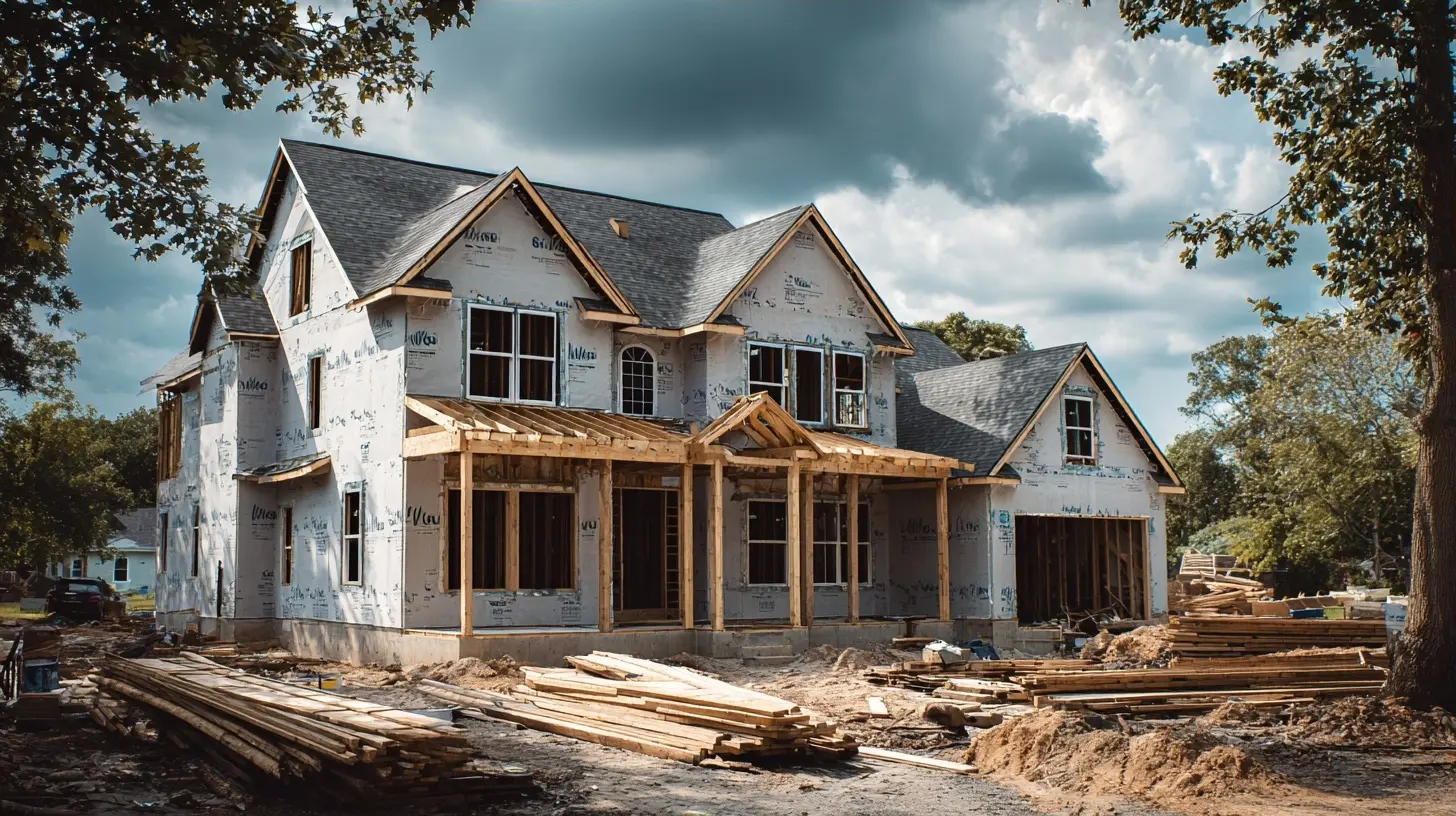
Designing Your Dream Home
Prioritizing Your Needs and Wants
Before diving into design, take time to outline your needs and wants. Consider your lifestyle, family size, and future plans. This will help create a home that suits your current and future needs.Creating a Wish List
Develop a list of must-haves versus nice-to-haves. For instance, if you frequently entertain, an open-concept kitchen may be essential, while a guest room might be a nice addition but not necessary.Choosing the Right Layout
The layout of your home significantly impacts its functionality. Open floor plans are popular for their spacious feel, while traditional layouts can offer defined spaces.Pros and Cons of Different Layouts
- Open Floor Plans: Foster social interaction but can lack privacy.- Traditional Layouts: Offer defined spaces but may feel closed off.
Expert Recommendations
Consider your lifestyle when choosing a layout. Families with young children may prefer open spaces for supervision, while those who value privacy might opt for more segmented designs.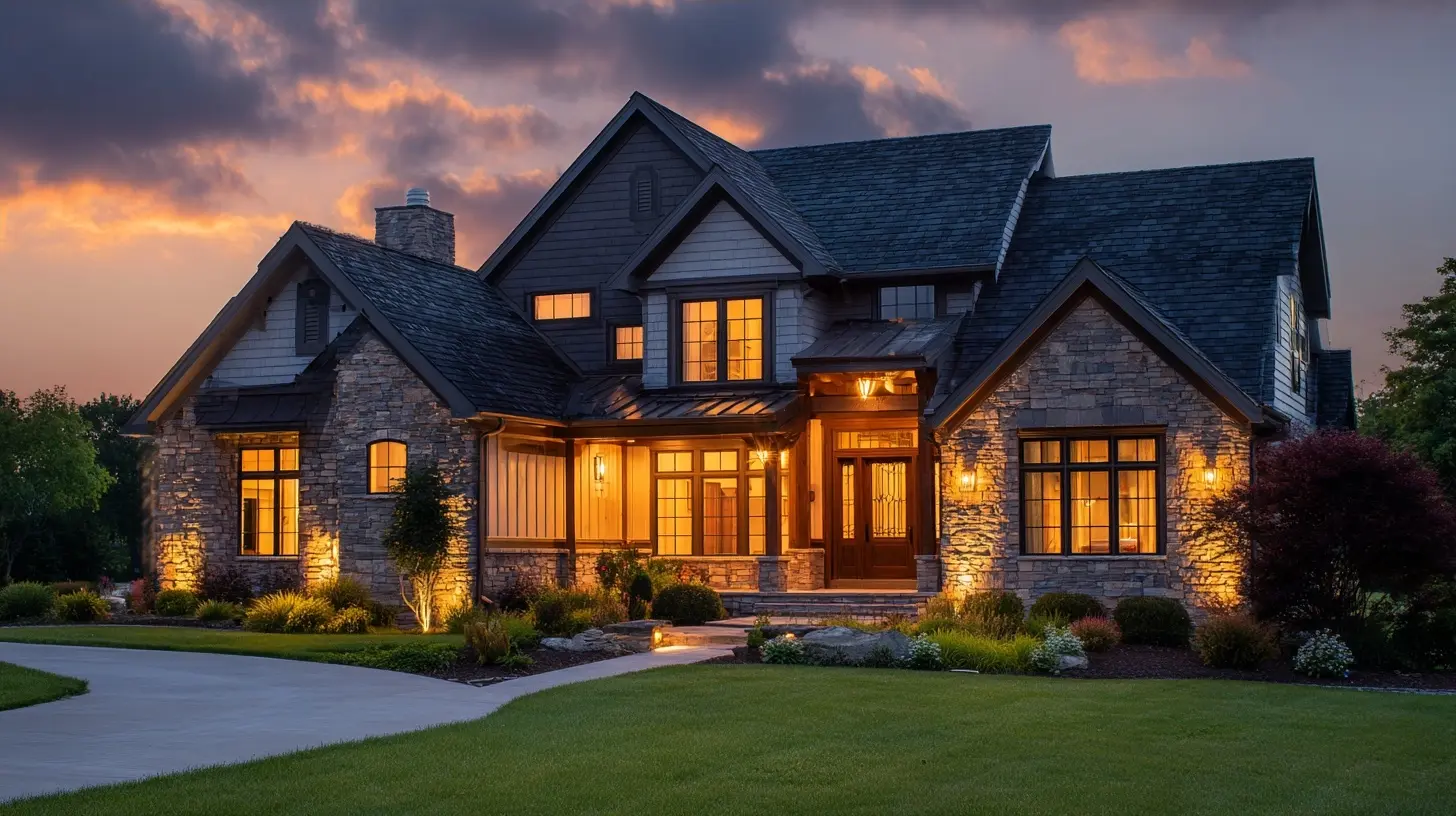
Material Selection and Finishes
Quality over Quantity
When it comes to materials, prioritize quality. High-quality materials not only enhance aesthetics but also improve durability and reduce maintenance costs.Examples of Quality Materials
- Flooring: Consider hardwood or high-quality tile over laminate.- Countertops: Opt for granite or quartz instead of less durable options.
Current Trends in Finishes
In 2027, expect to see a blend of modern and traditional finishes. Matte black fixtures, natural wood accents, and bold tile patterns are gaining popularity.Balancing Trends with Timelessness
While it's tempting to follow every trend, consider incorporating timeless elements that won't feel dated in a few years. Classic designs can create a lasting appeal.Dealing with Regulations and Permits
Understanding Local Building Codes
Each locality has specific building codes and regulations that must be adhered to. Familiarize yourself with these requirements early in the process to avoid delays.Common Misconceptions
Many homeowners believe that they can bypass permits for small projects. However, failing to obtain necessary permits can lead to fines and complications down the road.Practical Steps
Consult with your builder to ensure all necessary permits are secured before construction begins. This can save time and headaches later on.Navigating Zoning Laws
Zoning laws dictate how land can be used and can affect your plans. Research your area's zoning regulations to ensure your dream home can be built as envisioned.Tips for Compliance
- Check if your desired location allows for residential construction.- Understand setback requirements, which dictate how far structures must be from property lines.
Managing Expectations During Construction
Communication is Key
Regular communication with your builder is crucial. Schedule frequent check-ins to discuss progress, address concerns, and make decisions.Establishing a Communication Plan
Set expectations for how often and through what channels you will communicate. This can help prevent misunderstandings and ensure everyone is on the same page.Handling Disruptions
Construction can be disruptive, not just to your daily routine but also to your emotions. Prepare for challenges and delays, and try to stay flexible.Tips for Coping
- Stay involved but avoid micromanaging.- Focus on the end goal rather than daily frustrations.
Final Touches and Moving In
Preparing for the Big Day
As construction nears completion, consider logistics for moving in. Create a checklist to ensure you have everything in place, from utilities to furnishings.Common Oversights
Don't forget to schedule utility connections and change of address notifications. Also, plan for a thorough cleaning before moving in.Settling into Your New Home
Once you move in, take time to settle and personalize your space. This is an important step in making your house feel like a home.Tips for Personalization
- Start with a few key pieces that resonate with you.- Gradually add decor that reflects your personality and style.
Conclusion
Building your dream home in 2027 presents unique opportunities and challenges. By understanding current trends, navigating the building process, and making informed decisions, you can create a space that not only meets your needs but also stands the test of time. Embrace the journey, stay flexible, and remember that the end result will be worth the effort.
all images in this post were generated using AI tools
Category:
New ConstructionAuthor:

Mateo Hines

