Community-Centric Developments: How Real Estate Can Build Better Cities
24 July 2026
When we think of real estate development, the first thing that comes to mind is often towering skyscrapers, suburban neighborhoods, or maybe even commercial hubs. But what if real estate wasn’t just about buildings and investments? What if it played a pivotal role in shaping better, more livable cities?
That’s exactly what community-centric developments aim to do. These aren’t just properties built for profit—they’re designed with people in mind, fostering stronger neighborhoods, improving quality of life, and making cities more sustainable. So, how does real estate contribute to building better cities? Let’s dive in.
What Are Community-Centric Developments?
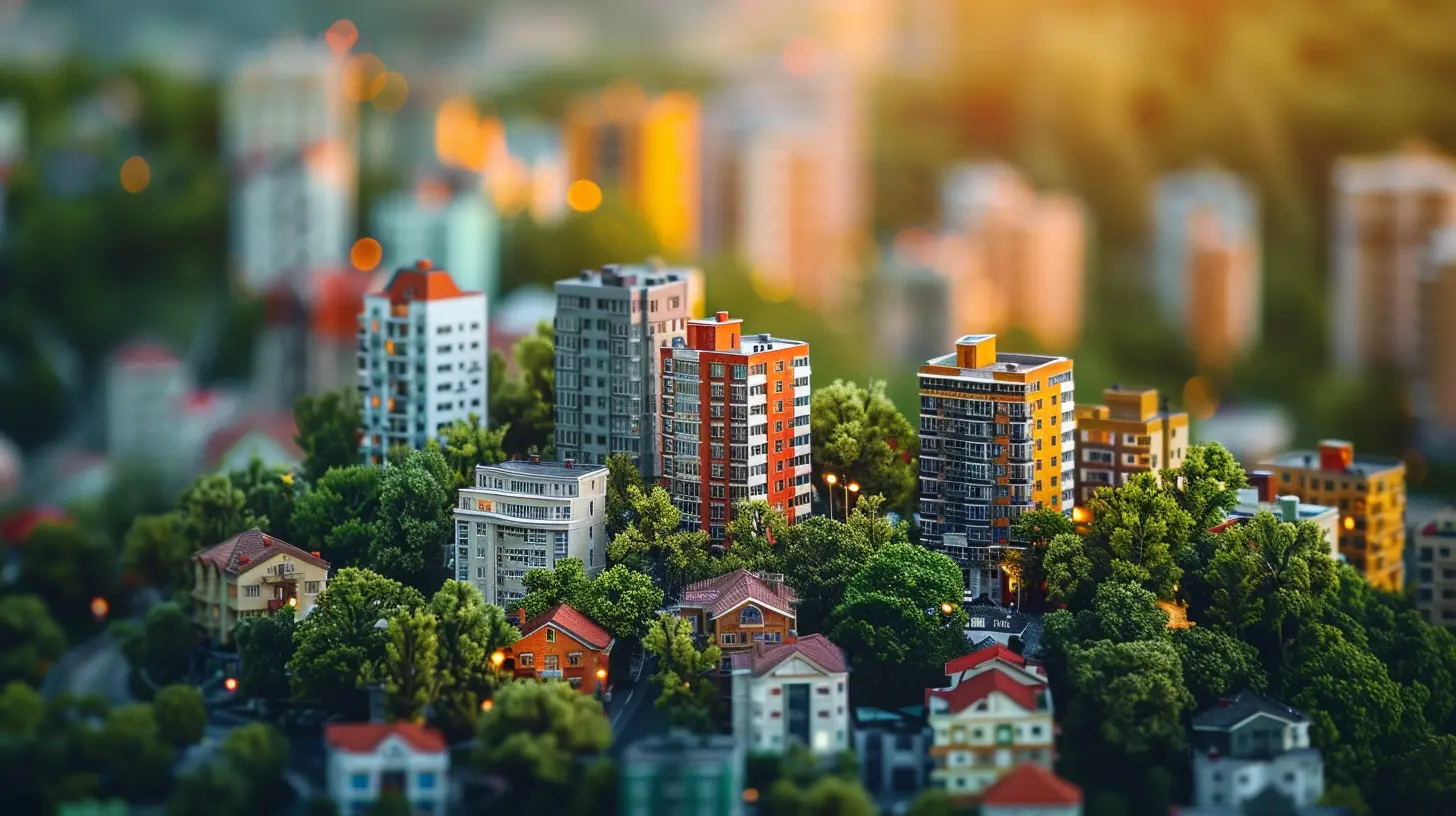
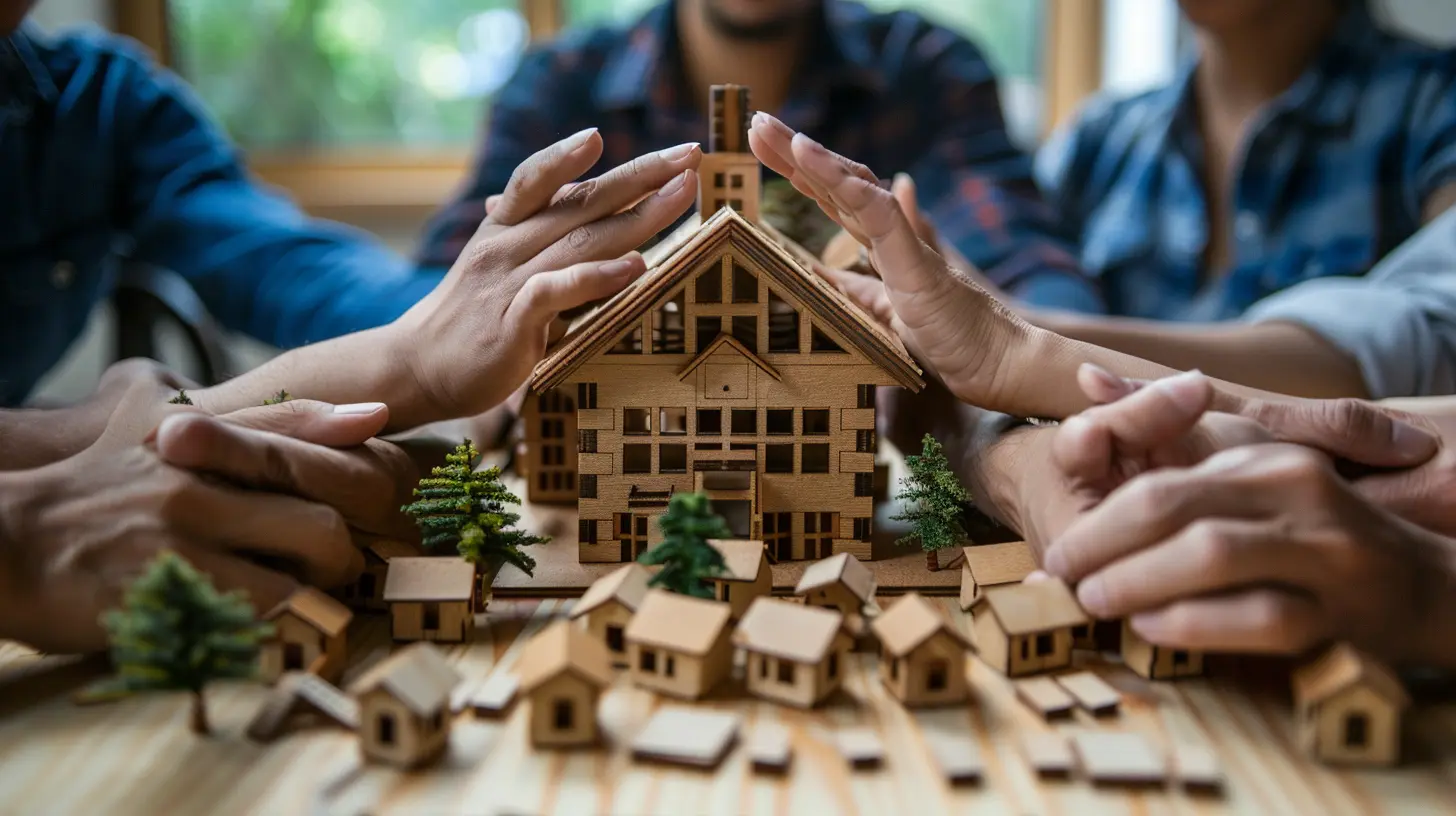
In simple terms, community-centric developments focus on creating spaces that benefit the people who live, work, and interact within them. Instead of just throwing up buildings, developers take a more holistic approach—designing areas that prioritize walkability, green spaces, accessibility, and social interaction.Think of it like baking a cake. You wouldn’t just throw flour, eggs, and sugar together and hope for the best, right? You’d carefully measure, mix, and bake everything at the right temperature. Similarly, community-focused real estate considers multiple “ingredients” to ensure neighborhoods thrive.
Why Do Cities Need Community-Centric Developments?
Let’s face it: many cities today are plagued by congestion, lack of affordable housing, and poor infrastructure. Traditional real estate development often focuses on maximizing returns rather than enriching communities. That’s where community-centric developments step in.- They Combat Urban Isolation: Modern urban life can be isolating. Community-focused developments create shared spaces like parks, co-working areas, and mixed-use buildings that encourage interaction.
- They Promote Sustainability: These developments prioritize eco-friendly designs, efficient public transport, and energy-saving technologies.
- They Support Local Economies: By incorporating local businesses instead of large chain stores, these developments keep money within the community.
- They Improve Public Health: More walkable neighborhoods mean people are naturally more active, leading to healthier lifestyles.
Key Features of Community-Centric Developments
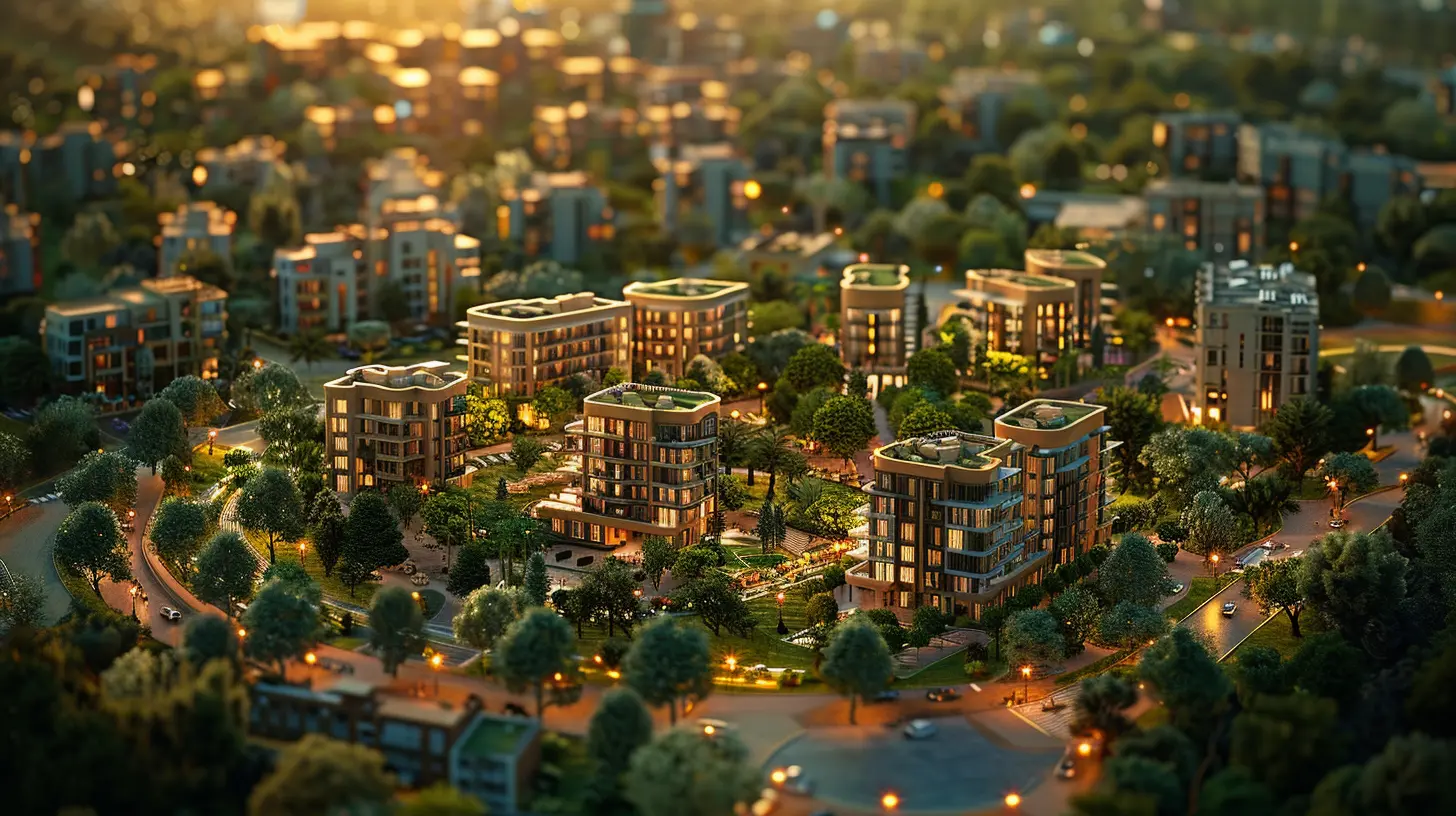
So, what makes a development truly community-focused? Here are some essential elements:1. Mixed-Use Spaces
Gone are the days when residential, commercial, and office spaces were completely separate. Community-centric developments blend these together, allowing people to live, work, and socialize in one place. Imagine grabbing your morning coffee just downstairs from your apartment or walking to work instead of enduring a long commute.2. Green and Open Spaces
A concrete jungle isn’t exactly inviting. That’s why parks, playgrounds, and rooftop gardens are essential in modern developments. Greenery doesn’t just look nice—it improves air quality, reduces heat, and provides a place for relaxation and socializing.3. Public Transportation and Walkability
A well-connected community is a thriving one. Instead of relying solely on cars, community-centric developments focus on public transport, bike lanes, and pedestrian-friendly streets—making movement easier and more sustainable.4. Affordable and Inclusive Housing
A city can’t thrive if only the wealthy can afford to live there. These developments include a mix of housing options, from affordable units to condos, ensuring that different income groups can live in the same area.5. Localized Businesses
Instead of massive shopping malls filled with big-name brands, community-focused developments prioritize local businesses, farmers’ markets, and small enterprises. This not only stimulates the local economy but also adds character and uniqueness to the neighborhood.6. Smart Infrastructure and Technology
Many modern cities are adopting smart technologies to improve efficiency. Think smart streetlights, energy-efficient buildings, and digital kiosks providing real-time information. Technology enhances connectivity, safety, and convenience in these developments.
How Real Estate Developers Can Foster Community Growth
So, how can real estate developers actively contribute to building better cities? It’s not just about constructing buildings—it’s about creating an ecosystem where people can live, work, and thrive together.1. Involving the Community in the Planning Process
Instead of making top-down decisions, developers should engage local residents—through surveys, townhall meetings, and workshops—to understand the needs and aspirations of the people who will actually be living there.2. Designing for Flexibility and Adaptability
Great communities evolve over time. Developers should create spaces that can easily be repurposed or adapted based on changing needs. A parking lot today could be a community garden tomorrow.3. Prioritizing Sustainability
Eco-friendly developments don’t just benefit the environment—they also reduce long-term costs for residents. Developers should invest in solar panels, rainwater harvesting, and energy-efficient buildings to create self-sustaining communities.4. Encouraging Social Interaction
How often do you talk to your neighbors? In traditional housing setups, probably not much. Real estate developers can design shared spaces, community kitchens, and event centers to encourage connections and a sense of belonging.5. Supporting Local Artists and Culture
Culture is the soul of any community. Developers can dedicate spaces for local artists, musicians, and performers—whether through public art installations, street performances, or community festivals. This makes neighborhoods more vibrant and fosters local pride.Real-Life Examples of Successful Community-Centric Developments
1. Vauban, Germany
This eco-friendly neighborhood in Freiburg, Germany, is a perfect example of sustainable urban living. With car-free zones, energy-efficient housing, and strong community engagement, Vauban is a model for the future.2. Battery Park City, New York
Located in Manhattan, this master-planned community offers green spaces, mixed-use development, and waterfront access, making it a highly livable urban area.3. Masdar City, UAE
Masdar City aims to be one of the world’s most sustainable urban areas, using renewable energy, smart technology, and pedestrian-friendly layouts to promote a high-quality, low-carbon lifestyle.
The Future of Community-Centric Developments
With urban populations growing rapidly, it’s clear that traditional real estate models won’t cut it anymore. Future developments must prioritize people over profits, creating environments where communities can flourish, not just exist.Developers who embrace this community-first mindset won’t just build better cities—they’ll create places where people genuinely love to live.
So, the next time you see a new development being built in your city, ask yourself: Is this just another building, or is it shaping a better community? Because at the end of the day, a great city isn’t made of just bricks and mortar—it’s made of people.
all images in this post were generated using AI tools
Category:
Real Estate DevelopmentAuthor:

Mateo Hines
Discussion
rate this article
1 comments
Reece McHugh
Community-centric developments truly have the power to transform cities. By focusing on people and connections, we can create vibrant neighborhoods that foster inclusivity, sustainability, and a strong sense of belonging.
July 28, 2026 at 3:14 AM
Mateo Hines
Absolutely! When developments prioritize community needs, they not only enhance livability but also strengthen the bonds among residents. It's a win-win for everyone involved.