How Technology is Changing the Length and Impact of Real Estate Cycles
2 August 2026
Ever feel like the real estate market is moving faster than ever? Like the moment you finally wrap your head around a trend, boom—it's already shifted? You’re not imagining it. Technology is playing a massive role in reshaping the real estate landscape. From cutting-edge software to artificial intelligence, the tools we're using today are impacting not just how properties are bought and sold, but also how long real estate cycles last and how intense they feel.
Let's dive deep into how this tech evolution is rewriting the real estate rulebook—faster cycles, smarter decisions, and game-changing insights.
What Exactly Are Real Estate Cycles?
Before we jump into the high-tech stuff, let’s unpack what a real estate cycle actually is. A real estate cycle refers to the natural fluctuation of the market over time. Traditionally, it’s broken down into four stages:1. Recovery – The market bounces back after a downturn.
2. Expansion – Demand rises, prices go up, and development spikes.
3. Hyper Supply – Oversupply creeps in; vacancies rise.
4. Recession – Prices drop, sales slow, and the market cools.
Every real estate investor, developer, agent, or homeowner rides this wave, whether they know it or not. What’s changing now is how long each of these phases lasts—and how intensely they hit. And yep, you guessed it: technology is the culprit.
So, How Is Technology Changing the Pace?
Think about it. We live in a world of instant feedback. You can check property prices in real-time, get virtual tours of homes across the globe, and analyze market data without leaving your couch. That kind of access speeds everything up.1. Data-Driven Decision Making
In the past, real estate decisions were based heavily on gut instinct and local knowledge. Today? It’s all about data. Platforms like Zillow, Redfin, and PropStream provide up-to-the-minute stats on pricing, trends, and even neighborhood vibes.- Faster Insights = Faster Decisions
Buyers aren't waiting months to "see how the market pans out." They're looking at dashboards and making offers based on hard data right now.
- Investors Move Quicker
With predictive analytics, savvy investors can forecast market conditions and take action during the early phases of a cycle—sometimes even before it’s fully started.
2. Property Tech (PropTech) is Speeding Up Transactions
Remember when closing on a house took what felt like an eternity? Now, thanks to PropTech and digital platforms, tasks like paperwork, escrow, and even notary services can be completed online.- Smart Contracts powered by blockchain are reducing errors and delays.
- E-signatures and virtual document sharing mean you can buy a house from your phone.
- AI-powered chatbots are answering buyer questions 24/7, which means smoother client service with fewer hiccups.
All of this leads to quicker buying cycles and shorter transaction windows. It’s like pressing fast-forward on the whole process.
Key Impacts of Technology on Real Estate Cycles
Let’s break it down even further. Here’s how technology is influencing each phase of the real estate cycle.➤ Recovery: Faster Bounces
After economic downturns, real estate markets used to take years to recover. Now, the comeback is much quicker—thanks to faster access to financing, accurate market forecasting, and investor confidence built on real-time data.Think about the COVID-19 pandemic. Many predicted a long, slow real estate recovery. But thanks to low interest rates, digital home viewings, and rapid market analysis tools, the bounce-back in many cities was astonishingly fast.
➤ Expansion: Rapid Growth Spurs New Development
Developers aren't building blindly anymore. They’re using satellite data, demographic studies, and AI to tap into high-growth areas before demand even kicks in.Also, crowdfunding platforms let ordinary people pool money to fund developments, speeding up the expansion phase and boosting economic activity in shorter timeframes.
➤ Hyper Supply: Smarter Inventory Control
Overbuilding? Not so fast. With smarter insights, cities and developers are more cautious. Tech tools help identify when demand is slowing and when the market’s nearing the edge of oversupply. This awareness helps keep the “hyper supply” phase shorter and less dramatic.➤ Recession: Controlled Soft Landings
Previously, downturns could feel like a nosedive—prices plummet, homes sit unsold, and investors panic. But now, real-time warning systems, algorithmic risk assessments, and flexible digital platforms mean people can pivot quickly. Many investors scale down early, homeowners list at better prices, and banks tighten lending while the market still has a chance to stabilize.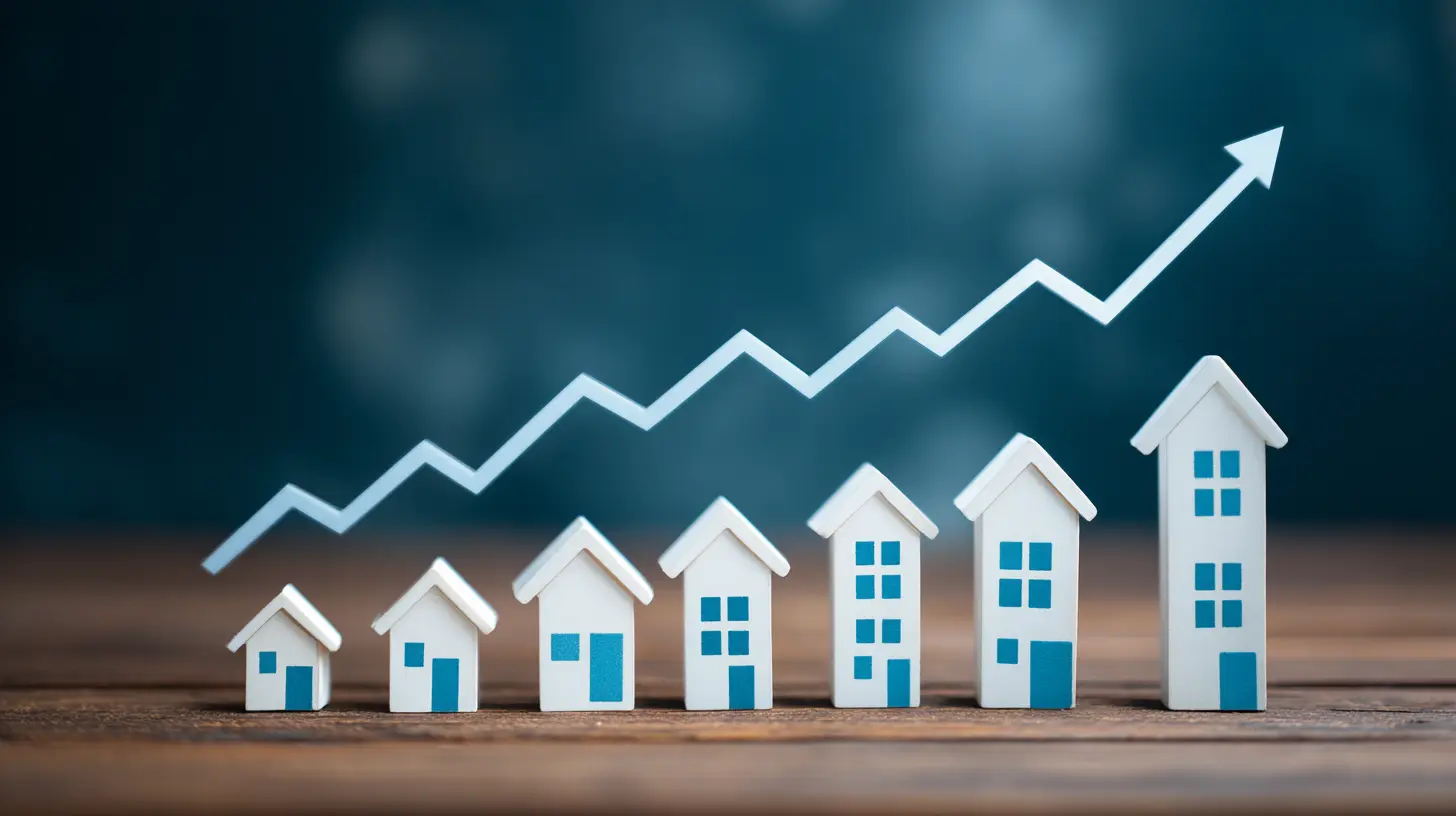
Emerging Technologies Reshaping Real Estate
Some of the most transformative technologies are still gaining traction—but they’re already leaving marks on the real estate cycles.✅ Artificial Intelligence (AI)
AI helps everyone—from real estate agents to big investors—understand where the market is headed. It predicts pricing trends, recognizes buyer behavior patterns, and even automates valuations.Imagine having your own real estate crystal ball. That’s what AI can feel like for the pros who use it right.
✅ Blockchain
We touched on this earlier, but it deserves more attention. Blockchain doesn’t just make transactions faster. It builds trust. Every movement—ownership transfers, inspections, appraisals—is recorded, tamper-proof, and visible to authorized parties.This transparency reduces fraud, increases confidence, and cuts down both time and costs.
✅ Virtual and Augmented Reality
Virtual tours are already big. Add VR headsets and AR overlays to the mix, and buyers can explore homes in 360°, place virtual furniture, or "walk" through unbuilt condos based on architectural renderings.It’s like open houses on steroids, and it pushes the cycle along by shortening the decision-making process.
✅ Internet of Things (IoT)
Smart homes are more than just a fancy tech term. IoT devices—like smart thermostats, lighting, security systems—add value to properties and attract tech-savvy buyers who may otherwise hesitate.Plus, IoT data helps utility companies, city planners, and maintenance teams work smarter. It’s yet another layer of efficiency fueling faster cycles.
The Flip Side: Are There Downsides?
Good question. As with any fast-moving trend, there are challenges.❗Shorter Cycles Can Mean Less Time to React
When markets used to move slowly, it gave buyers and investors more time to think, plan, and act. With lightning-fast cycles, hesitation can mean missing out—or worse, investing at the peak right before a downturn.❗Tech Inequality
Not everyone has access to the same tools and data. Smaller investors or first-time buyers may be left behind in a world where high-powered analytics and AI dominate decision-making.❗Over-Reliance on Data
Numbers don’t tell the whole story. Sometimes, neighborhoods are up-and-coming because of intangible vibes—a cool coffee shop, a new art scene, community growth—which algorithms might miss.So yes, while the future of real estate is digital, we still need the human touch.
Where Do We Go From Here?
Let’s be honest—technology isn’t going anywhere. If anything, it’s going to keep pushing the real estate industry to be faster, smarter, and more efficient.The question is: how do we embrace it without losing the human aspect of home buying, selling, and investing?
Here are a few tips:
- Stay Informed — If you’re in real estate, keep an eye on emerging tech trends.
- Balance Tech with Intuition — Use data to guide you, but trust your gut too.
- Make Accessibility a Priority — If you're an agent or a platform, think about how to bring tech to everyone, not just the top 1%.
- Never Stop Learning — The landscape is evolving. Whether you're a buyer, seller, or pro, continuous learning will be your edge.
Final Thoughts
Technology is doing more than just changing how we buy and sell property. It's speeding up the entire real estate cycle—making it shorter, more data-driven, and in many ways, more predictable. But it's also demanding more awareness, faster decisions, and a deeper understanding of the tools at our fingertips.So whether you're an investor looking for your next big opportunity, a first-time homebuyer scanning Zillow at midnight, or a real estate agent juggling five virtual tours in a day—just know, you’re part of one of the biggest shifts in real estate history.
And it's only just getting started. Buckle up.
all images in this post were generated using AI tools
Category:
Market CyclesAuthor:

Mateo Hines
Discussion
rate this article
1 comments
Nyxaris Wallace
Great insights! It's fascinating to see how technology is shaking up real estate cycles. Embracing these changes could lead to exciting opportunities. Here's to adapting and thriving in this ever-evolving landscape. Keep up the good work!
August 3, 2026 at 12:51 PM