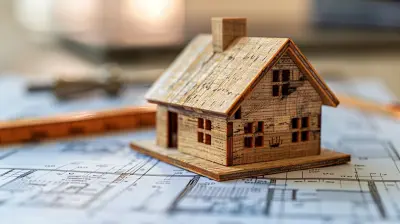
The Importance of Infrastructure Investment in Real Estate Growth
24 June 2026
Real estate has always been a wild ride, full of ups and downs, booms and busts. But if there’s one thing that consistently fuels property value and market growth, it’s infrastructure investment. Yep, we’re talking about roads, bridges, public transport, utilities, and even high-speed internet.
Ever noticed how property prices skyrocket when a new metro line, highway, or airport comes into play? That’s no coincidence. Infrastructure acts as the backbone of real estate growth, making locations more accessible, livable, and—most importantly—valuable.
So, let’s dive deep into why infrastructure investment is the secret sauce for real estate success. 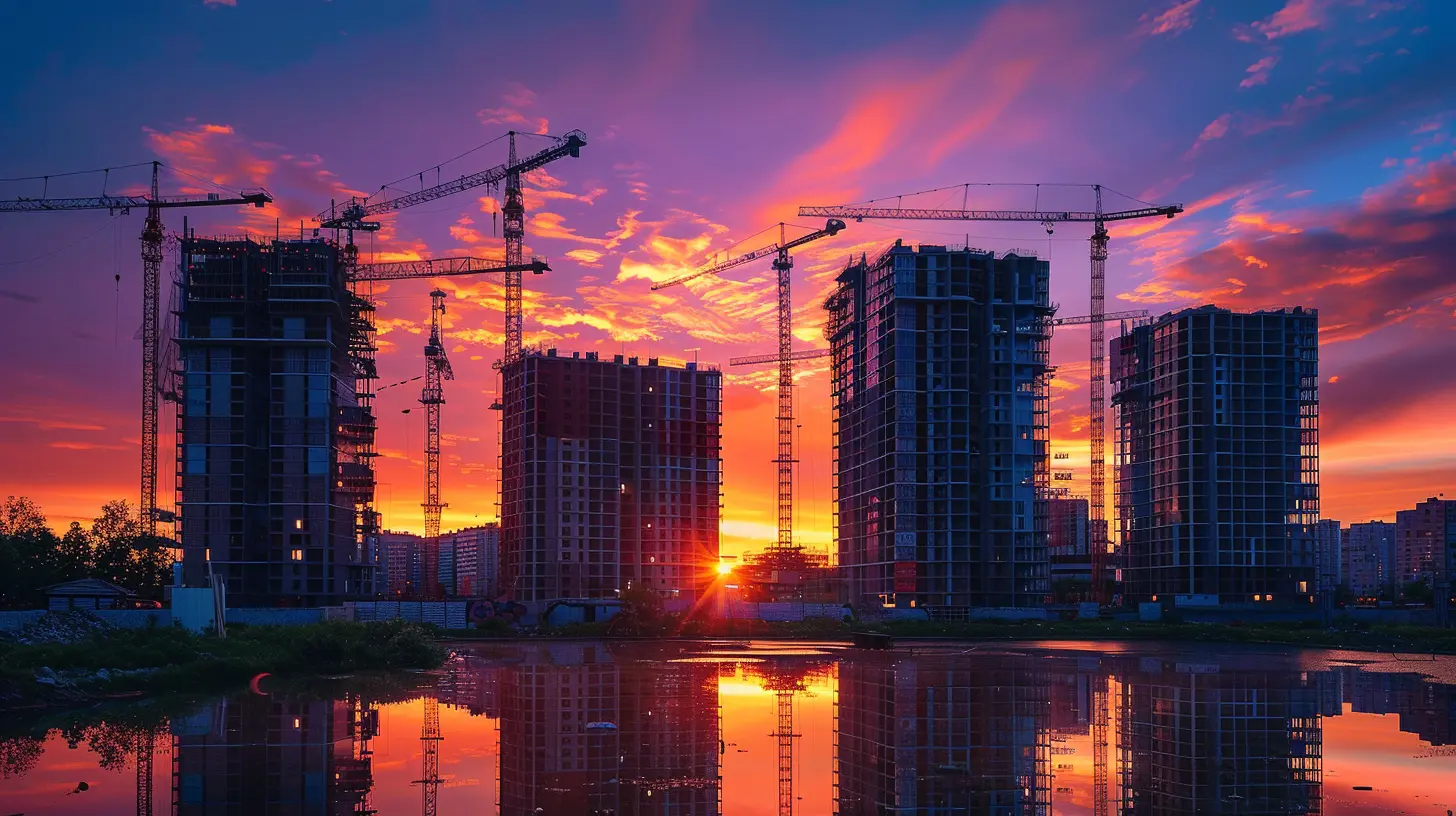
1. Infrastructure: The Lifeline of Real Estate
Think of real estate as a plant. No matter how great the seed (property) is, it won’t flourish unless it has access to sunlight (roads), water (utilities), and nutrients (public services). Infrastructure provides these essential elements, making or breaking a neighborhood’s potential.If a place lacks basic infrastructure—bad roads, unreliable power, poor drainage—nobody wants to live there, no matter how cheap the homes are. On the flip side, a well-connected area with top-notch facilities attracts both buyers and investors, driving up demand and prices.
1.1. The Accessibility Factor
Nobody wants to spend half their life in traffic. The more accessible a location is, the more attractive it becomes. Highways, bridges, metro systems, and airports reduce travel time and improve convenience, making properties in these regions hot commodities.For instance, ever heard of how property prices spike the moment a new subway station is announced? That’s infrastructure magic at work.
1.2. The Utilities That Make Life Possible
Imagine moving into a house only to realize there’s no electricity for half the day or that you must walk a mile just to fetch drinking water. Sounds like a nightmare, right?Reliable infrastructure ensures that power, water, sewage, and internet services run smoothly, making a property a functional, livable space. Poor infrastructure, on the other hand, can turn even an otherwise perfect house into an unsellable burden. 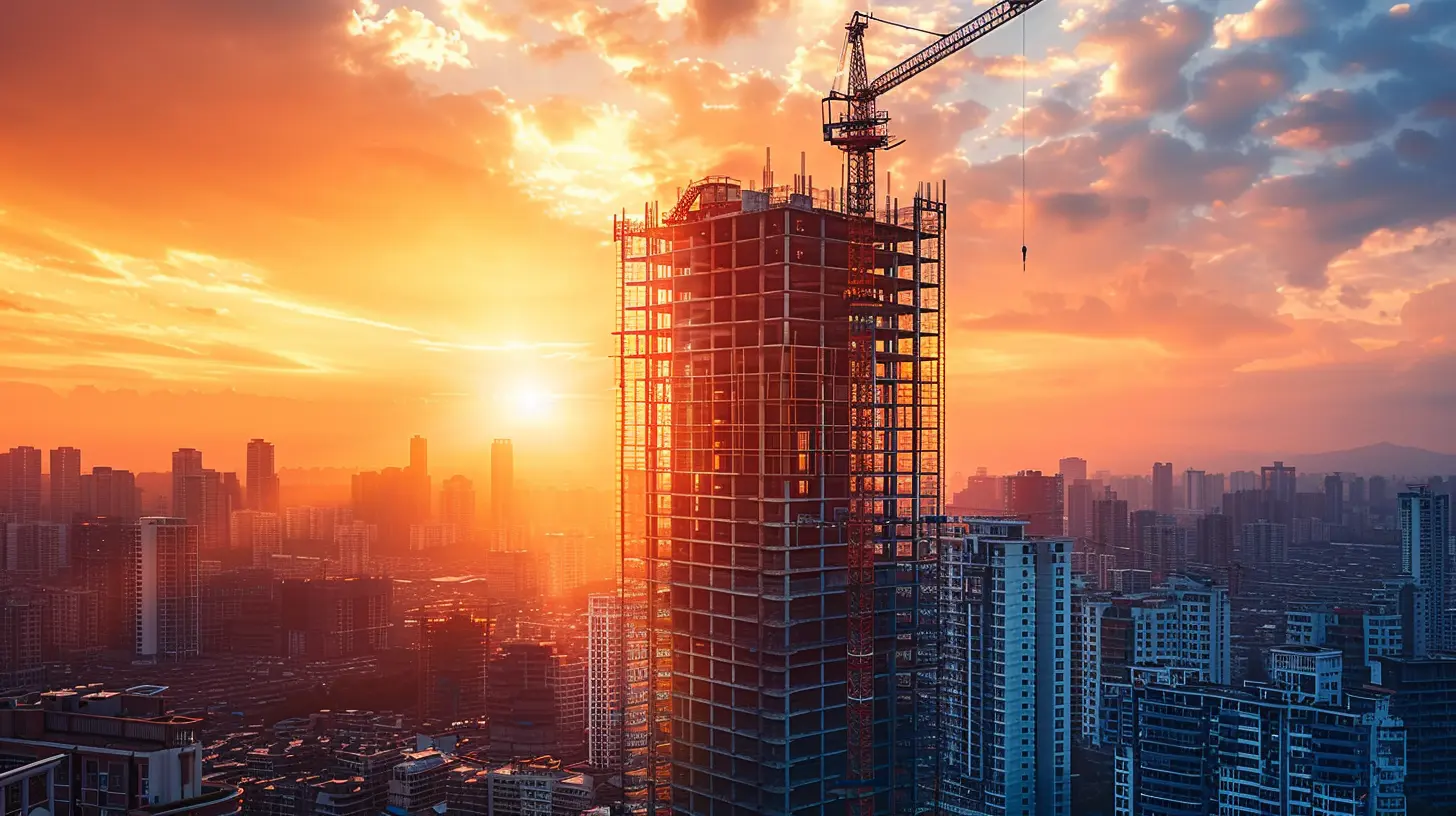
2. The Long-Term Impact of Infrastructure on Property Values
Infrastructure development isn’t just about convenience—it’s a serious value booster. Here’s how it directly impacts property prices:2.1. Appreciation Over Time
When a government or private entity invests in infrastructure, real estate values naturally climb. A property that was once seen as “too far from the city” suddenly becomes a prime location once new roads or a transit system come into play.Take a look at any major city. Areas that were once considered outskirts are now thriving real estate hubs, all thanks to improving infrastructure. The more connected an area becomes, the more its properties appreciate.
2.2. A Magnet for Businesses and Employment
Infrastructure doesn’t just benefit homeowners—it attracts businesses too. When roads, railways, and airports make a place more accessible, companies are more likely to set up offices, warehouses, and retail spaces there.More businesses mean more jobs, and more jobs mean more people wanting to live in the area. It’s a simple equation that fuels property demand and, ultimately, prices. 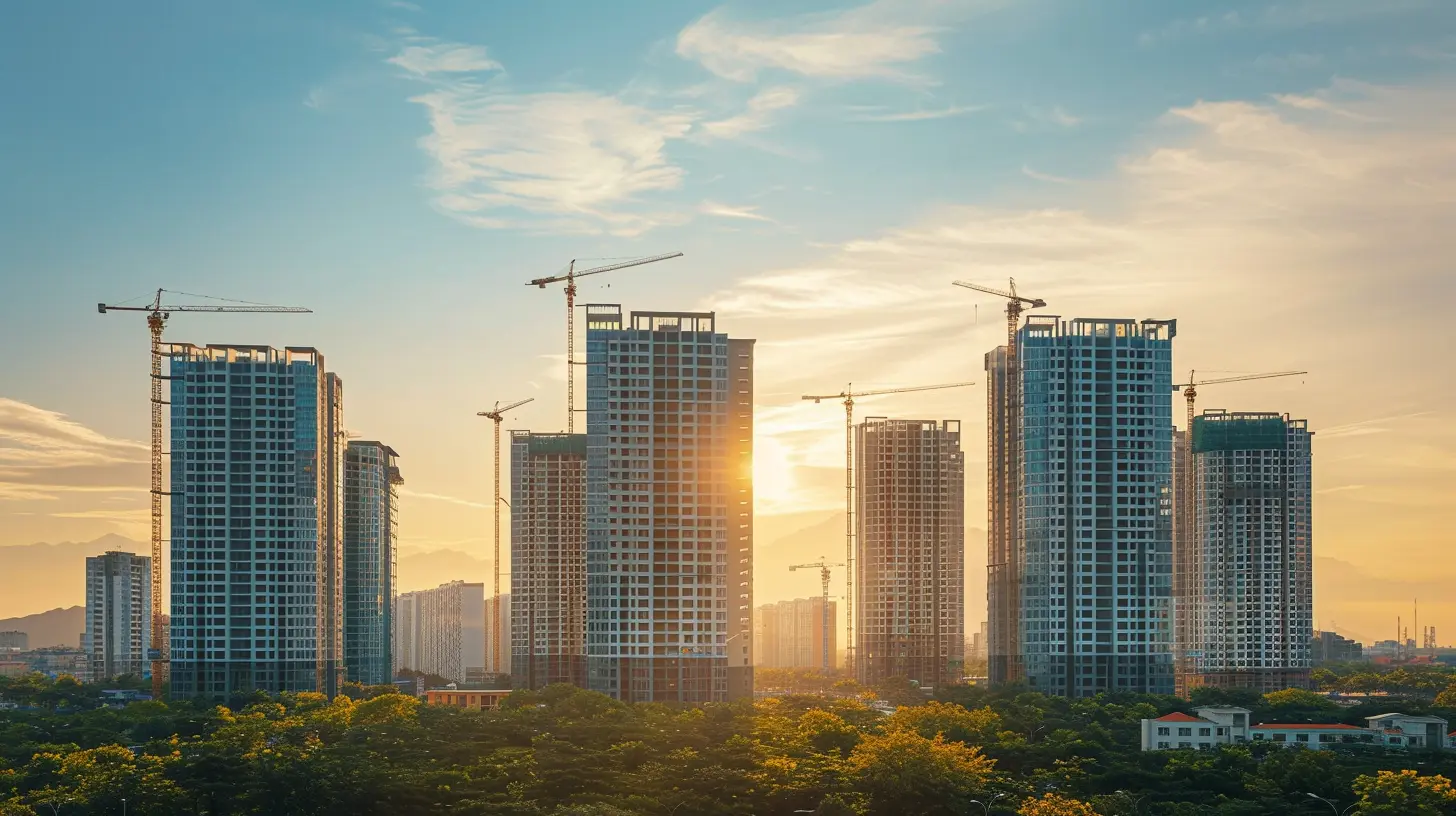
3. Types of Infrastructure That Matter Most in Real Estate
Not all infrastructure investments impact real estate the same way. Some have a bigger punch when it comes to boosting property values. Let’s look at the heavy hitters:3.1. Transportation Infrastructure
This one’s a game changer. Whenever a new highway, airport, metro line, or even a flyover is announced, nearby real estate markets go into overdrive. Developers jump in, investors scramble, and prices skyrocket.Why? Because better transportation means better accessibility, shorter commutes, and a higher quality of life. Nobody likes being stuck in traffic for hours—if there’s an easier way to get around, people will flock to it.
3.2. Utility Infrastructure
Water supply, electricity, sewage, and waste management might not sound as glamorous as a new expressway, but they’re just as crucial. No one wants to live in a place where power outages are a daily struggle or where the water supply is unpredictable.When a city upgrades its utility infrastructure, housing demand follows. Good infrastructure guarantees a hassle-free living experience, which is a major selling point for buyers and investors.
3.3. Digital Infrastructure
In today’s world, internet connectivity is as essential as electricity. Remote work and digital businesses rely on high-speed internet, and areas with poor connectivity struggle to attract modern homeowners and startups.Cities that invest in fiber-optic networks and 5G infrastructure will see an increase in property demand. Tech-savvy buyers and remote workers prioritize connectivity, making it a key factor in real estate growth.
3.4. Social Infrastructure
Schools, hospitals, parks, and shopping centers fall under this category. People don’t just want a house—they want a community. Living close to good schools and hospitals significantly raises property value.Got a home near a top-tier school or a major hospital? Congratulations, you’re sitting on a real estate goldmine. 
4. The Role of Government and Private Investment
Infrastructure development isn’t cheap. Governments and private players both play a role in shaping real estate markets through investment in mega projects.4.1. Government Initiatives
Governments invest in infrastructure primarily through public works projects—think highways, rail systems, and smart city initiatives. Whenever policymakers announce plans for new infrastructure, savvy real estate investors take notice.Many cities across the world have successfully transformed underdeveloped areas simply by investing in better roads, services, and utilities. The boom in Dubai’s real estate market, for example, was fueled by massive investment in world-class infrastructure.
4.2. Private Sector Contributions
Private developers aren’t far behind. Many large real estate firms fund infrastructure improvements like internal roads, power systems, and water supplies to make their projects more attractive.Some even go the extra mile, creating entire townships with built-in hospitals, schools, and malls, ensuring a self-sustaining ecosystem that boosts property demand.
5. The Risks of Poor Infrastructure Planning
While good infrastructure can drive real estate growth, the absence of proper planning can backfire. Here are some pitfalls to watch out for:5.1. Overcrowding and Congestion
Rapid, unplanned development without proper infrastructure upgrades leads to insane traffic congestion, water shortages, and overburdened utilities. Some cities have grown too fast for their own good, with infrastructure failing to keep up.5.2. Environmental Degradation
Poorly planned infrastructure projects can harm the environment, leading to deforestation, air pollution, and reduced green spaces. A concrete jungle might boost real estate values in the short term, but long-term sustainability matters.5.3. Abandoned Projects
Ever heard of "Ghost Cities"? These are places where large projects were planned, but infrastructure investments fell through. The result? Empty, abandoned buildings with no buyers willing to move in.Infrastructure investment must be strategic and well-executed; otherwise, it loses its effectiveness.
6. Conclusion: Infrastructure is the Real MVP of Real Estate
At the end of the day, infrastructure investment is the unsung hero of real estate growth. It’s what turns barren land into a thriving community and transforms overlooked areas into prime property hotspots.If you’re a homebuyer, investor, or developer, keeping an eye on infrastructure projects is the smartest move you can make. They shape the future of real estate and determine which areas will boom or bust.
So next time you see a new highway project or a metro extension being announced—pay attention. It just might be the next big thing in real estate.
all images in this post were generated using AI tools
Category:
Real Estate DevelopmentAuthor:

Mateo Hines
Discussion
rate this article
1 comments
Milena Jennings
Investing in infrastructure is like putting on the right shoes for a big dance party. Without it, your real estate dreams might stumble on a cracked sidewalk. Let's pave the way to success-good roads lead to great neighborhoods... and even better property values!
June 28, 2026 at 10:40 AM