How Virtual Staging Can Create a Lifestyle Buyers Will Want to Invest In
19 July 2026
So, you've got a property to sell. It’s got solid bones, a decent layout, and (hopefully) no ghosts lurking in the attic. But there’s just one little problem—buyers aren’t biting. Why? Because people don’t just buy homes; they buy the idea of a home. They want to picture themselves sipping overpriced lattes in that sunlit breakfast nook or binge-watching their latest obsession in the coziest den imaginable.
Enter virtual staging—the secret weapon that transforms an empty or outdated space into a dream home, without breaking the bank or hauling in a single piece of furniture. Intrigued? Let’s dig in.

What is Virtual Staging, and Why Is It a Game-Changer?
Imagine you're scrolling through real estate listings, and every single room looks like it could double as a scene from a post-apocalyptic movie—empty, lifeless, and kind of sad. Not exactly screaming, “Buy me!” is it?That’s where virtual staging swoops in like a real estate superhero. It’s the digital magic that takes a dull, unfurnished room and fills it with stylish furniture, tasteful decor, and just the right amount of “I live a Pinterest-worthy life” energy. Using advanced graphic design, real estate professionals can transform any space into a place buyers want to call home.
The Difference Between Traditional and Virtual Staging
Traditional staging involves renting furniture, hiring experts, and spending thousands to physically dress up a home. It’s expensive, time-consuming, and, honestly, a bit of a hassle.Virtual staging, on the other hand, is like a Snapchat filter for your property—it enhances the space without requiring an actual couch to be hauled through the front door. The result? A home that looks stunning in photos, appeals to buyers, and sells faster—all at a fraction of the cost.

How Virtual Staging Sells More Than Just a House—It Sells a Lifestyle
Let’s be honest: buyers aren’t just looking for four walls and a roof. They’re hunting for the dream. They want to believe that this is the house where they’ll host legendary dinner parties, work from home like a boss, and wake up every morning feeling like they’re living in a five-star resort.Here’s how virtual staging helps sell that vision.
1. Creating a Story Buyers Can See Themselves In
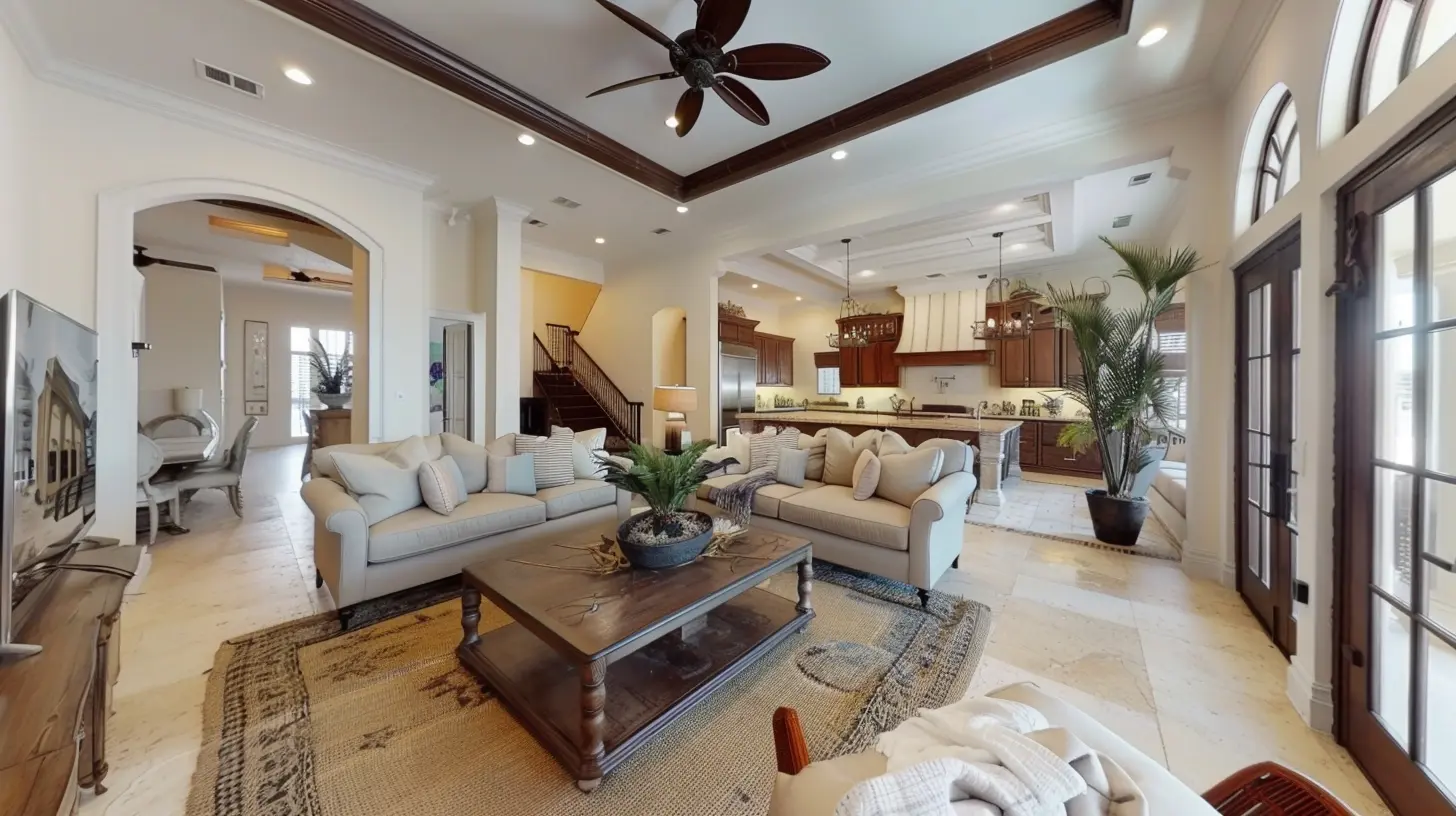
An empty room doesn’t inspire much imagination. But add a sleek sectional, a warm throw, and a few strategically placed plants? Suddenly, it’s a cozy living room where movie nights happen. A barren bedroom? With virtual staging, it's now a tranquil retreat where buyers picture themselves curling up with a book and a cup of chamomile tea.Virtual staging takes the guesswork out of the equation. Instead of forcing buyers to imagine what a space could be, it shows them—clear as day.
2. Tailoring the Look to Your Ideal Buyer
One buyer’s shabby-chic dream is another’s worst nightmare. The beauty of virtual staging is that you can cater to different tastes without any heavy lifting.- Selling a modern downtown loft? Chic, minimalist furniture with a touch of industrial charm is the way to go.
- Marketing a family-friendly suburban home? A cozy, lived-in vibe with soft textures and warm lighting will do the trick.
- Listing a luxury penthouse? Plush, high-end furnishings that scream “I have impeccable taste” will attract the right crowd.
Virtual staging allows you to adjust the aesthetic to target the exact type of buyer you want. No universal, one-look-fits-all nonsense here.
3. Highlighting a Home’s Best Features (and Distracting from Its Flaws!)
That oddly shaped nook in the living room? Virtual staging turns it into the perfect reading corner.That tiny bedroom? Boom—it’s now a functional home office.
The slightly outdated kitchen? A fresh, stylish virtual makeover makes it look brand new.
By directing a buyer’s focus to a home’s potential, virtual staging minimizes the not-so-great aspects and maximizes the highlights. It’s like using good lighting and the right angle for a selfie—same face, just a way better presentation.

The Impact of Virtual Staging on Sales
Let’s talk numbers—because, at the end of the day, the goal is to sell homes faster and for more money. Studies have shown that staged homes (including virtually staged ones) sell up to 73% faster than unstaged properties.Why? Because buyers fall head over heels for a home before they even set foot in it. Since 97% of home buyers start their search online, those first impressions matter—a LOT. A beautifully staged listing grabs their attention, keeps them interested, and makes them want to schedule a showing ASAP.
And here’s the kicker—virtually staged homes often sell for more because buyers perceive them as more valuable. In other words, a little digital furniture can make buyers willing to pay top dollar.
Is Virtual Staging Ethical?
Ah yes, the big question. Does virtual staging count as deception? The answer: Absolutely not—if done correctly.The key is transparency. Virtual staging is meant to enhance a space, not mislead buyers. If a listing is virtually staged, it should be disclosed in the description. And of course, the actual property should match the potential buyers’ expectations. No sneaky adding of imaginary fireplaces or doubling the size of a tiny room. Keep it ethical, and buyers will appreciate the effort.
Virtual Staging: Worth It or Not?
Let’s recap:✅ Costs a fraction of traditional staging
✅ Appeals to a broader range of buyers
✅ Helps buyers visualize the potential of a space
✅ Sells homes faster and often at higher prices
✅ Requires zero heavy lifting (unless you count clicking a mouse)
Honestly? It’s a no-brainer. If you want your listing to stand out, create an emotional connection with buyers, and sell for top dollar—virtual staging is the way to go.
Because at the end of the day, buyers aren’t just purchasing square footage. They’re buying into a lifestyle. And if a little digital magic helps them see that lifestyle clearer? Well, that’s just smart marketing.
all images in this post were generated using AI tools
Category:
Virtual StagingAuthor:

Mateo Hines
Discussion
rate this article
1 comments
Landon McTiernan
Virtual staging is a game changer. It transforms empty spaces into desirable lifestyles, making properties more appealing and driving buyers to invest. Simple as that.
July 21, 2026 at 4:16 AM
Mateo Hines
Absolutely! Virtual staging really showcases a property's potential, helping buyers visualize their future lifestyle. It's a smart move for sellers.