The Growth of Suburban Office Hubs: What Developers Need to Know
12 April 2026
The workplace is evolving, and with it, so is the demand for office spaces. Suburban office hubs are no longer just a second choice for businesses looking to expand—they’re becoming a strategic move. With remote and hybrid work models growing in popularity, employees and companies are rethinking the necessity of long downtown commutes.
For developers, this shift isn't just a passing trend—it’s an opportunity to rethink office spaces and create dynamic work environments in suburban areas. But what exactly is driving this change, and how can developers capitalize on it? Let’s dive in.
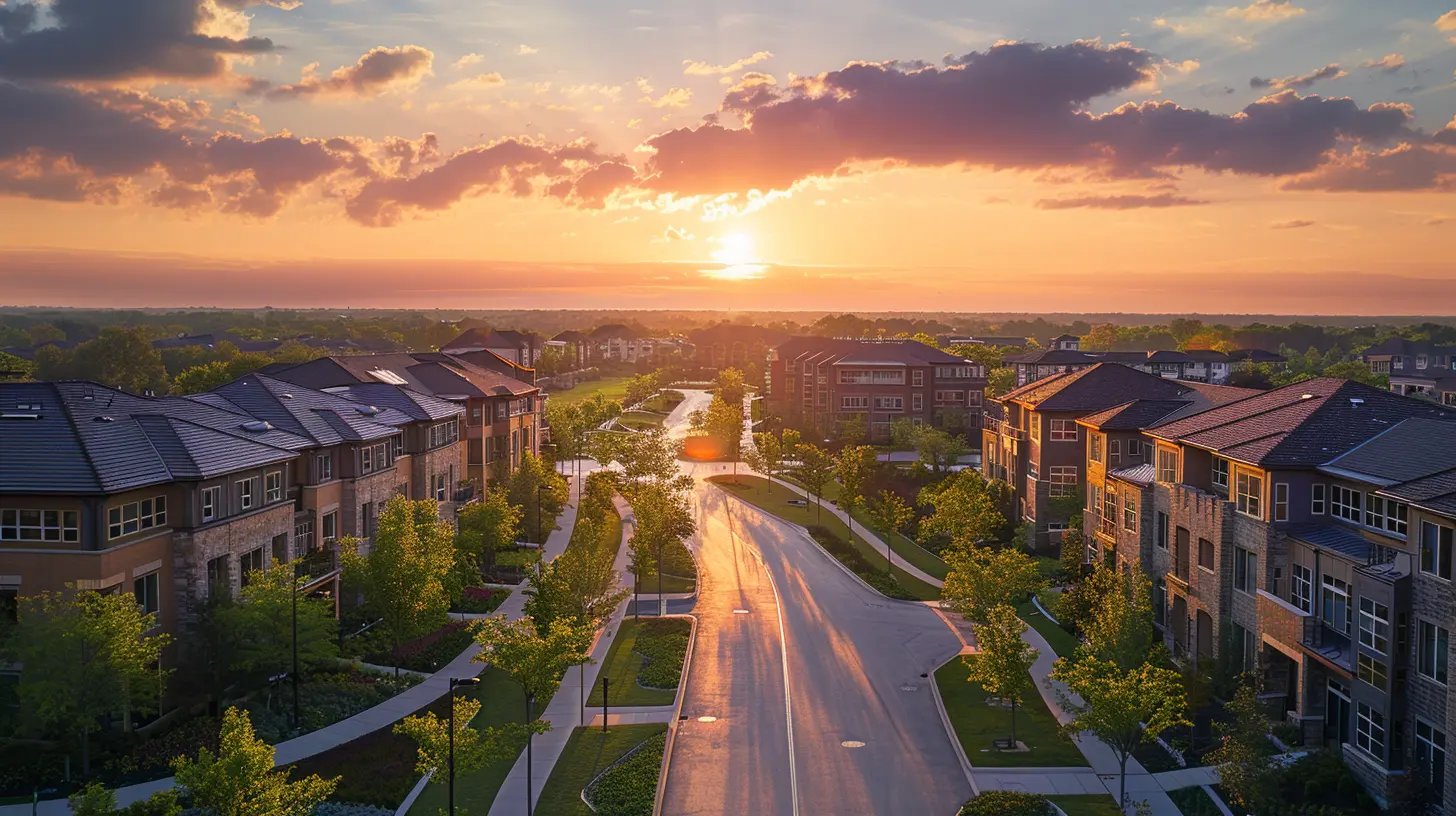
Why Are Suburban Office Hubs Growing?
The rise of suburban office hubs isn’t happening by accident. Several key factors are driving this shift, making it a trend worth paying attention to.1. Hybrid Work Is Here to Stay
The pandemic wasn’t just a temporary shift in work habits—it transformed the way companies approach office space. Many businesses have adopted hybrid models, allowing employees to split time between home and the office.This means that companies no longer need massive headquarters in prime urban locations. Instead, strategically placed suburban offices allow employees to access professional environments without enduring long commutes.
2. Employees Prioritize Work-Life Balance
Let’s be real—long commutes are exhausting. Hours spent in traffic or packed trains drain productivity and morale. Since many professionals are looking for better work-life balance, suburban office hubs offer a sweet spot: a professional setting that’s closer to home, reducing travel time and stress.3. Cost Savings for Companies
Urban office spaces don’t come cheap. Rent, taxes, and maintenance costs in central business districts are sky-high. By shifting operations to suburban areas, businesses can cut down on expenses while still maintaining a collaborative work environment.4. More Space, More Flexibility
Suburban office hubs often provide more square footage at a lower cost. This allows businesses to experiment with open layouts, shared coworking spaces, and even outdoor work areas. The flexibility of design and function makes these locations attractive for modern workforces.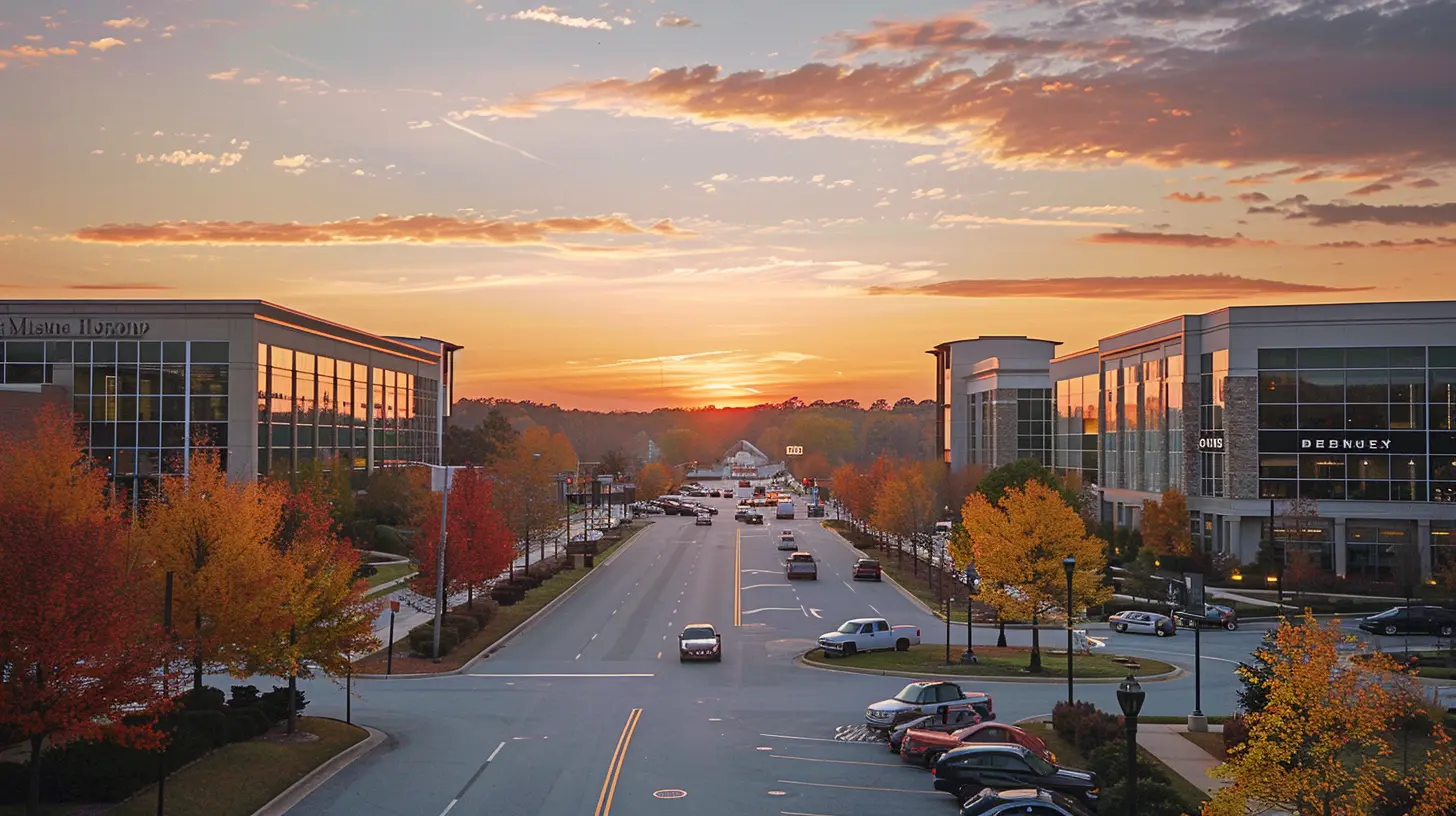
Key Features of Successful Suburban Office Developments
Not all suburban office hubs are created equal. If developers want to create thriving business spaces, they need to focus on a few crucial elements.1. Accessibility and Location
While companies are moving away from downtown congestion, accessibility still matters. Proximity to major highways, public transit, and residential areas can make or break a suburban office hub.A well-placed office park surrounded by residential neighborhoods, restaurants, and retail centers can become a desirable workspace for businesses and employees alike.
2. Amenities That Enhance the Work Experience
Offices are no longer just desks and conference rooms. Employees expect an experience—one that supports productivity, creativity, and well-being. Forward-thinking developers should incorporate:- Fitness centers
- Cafés and dining spaces
- Outdoor seating and green areas
- High-speed internet infrastructure
- Collaborative coworking spaces
Creating a vibrant atmosphere can make suburban offices more appealing than traditional corporate settings.
3. Tech-Enabled Workspaces
Technology is at the heart of modern workspaces. From high-speed internet to smart office systems, suburban hubs must be equipped with the latest tech. Think:- Smart lighting and climate control for energy efficiency
- Touchless entry systems and security upgrades
- Video conferencing setups for seamless remote collaboration
- Fast, reliable Wi-Fi throughout the space
The smarter the office, the more attractive it becomes to businesses looking for agile workplace solutions.
4. Sustainability and Green Building Practices
Sustainability isn’t just a buzzword—it’s a demand from both businesses and employees. Developers who incorporate green building practices, energy-efficient designs, and eco-friendly materials will have a competitive edge. LEED-certified office spaces, solar panels, and sustainable landscaping can set a suburban office hub apart.5. Flexibility for Future Growth
One of the biggest appeals of suburban spaces is their ability to adapt. Developers should design office hubs with future expansion in mind. Think modular office designs, flexible leases, and spaces that can accommodate growing businesses.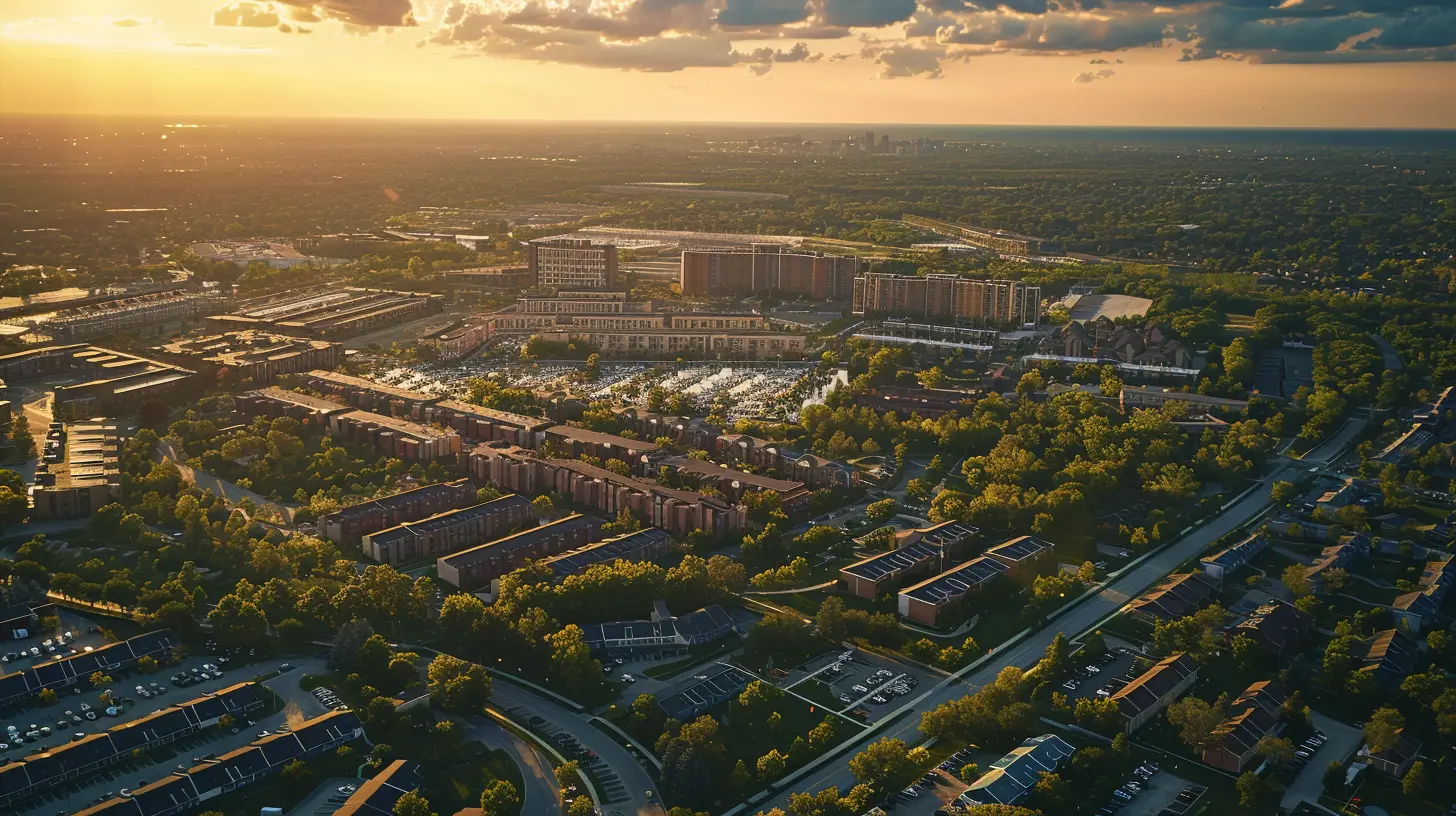
Challenges Developers Should Consider
While suburban office hubs offer many advantages, they’re not without challenges. Developers need to navigate these obstacles to ensure long-term success.1. Competing With the Work-From-Home Trend
Even with the rise of suburban offices, remote work is still a preferred option for many professionals. Developers need to make their spaces enticing enough that employees actually want to come in rather than just work from home. Creating an engaging and inspiring workplace is key.2. Ensuring Strong Infrastructure
Suburban areas may not always have the same level of infrastructure as urban cores. Reliable internet, public transit, and surrounding amenities must be factored into development plans.3. Zoning and Permitting Hurdles
Depending on the location, zoning laws and permits can sometimes complicate development plans. Municipalities may have strict regulations for commercial properties in suburban areas. Developers should work closely with local authorities to navigate these challenges smoothly.
How Developers Can Stay Ahead of the Curve
So, what can developers do to make the most of the suburban office boom? Here are some strategies to stay ahead:1. Partner With Businesses Early
Getting input from potential tenants before construction begins ensures that the office hub meets real-world business needs. Conduct surveys, hold focus groups, and involve companies in the planning process.2. Focus on Community Integration
Suburban office hubs shouldn't feel isolated. Creating mixed-use developments with retail, dining, and recreational spaces can help integrate the office space into the surrounding community, making it a more attractive destination.3. Offer Flexible Leasing Options
Long-term office leases are becoming a thing of the past. Businesses want more flexibility, so offering short-term leases or coworking-style arrangements can make a suburban hub more appealing.4. Prioritize Aesthetic Appeal
Design matters. Many suburban office parks of the past lacked character. Modern suburban developments should emphasize aesthetics with sleek architecture, inviting interiors, and green spaces that promote well-being.5. Keep an Eye on Market Trends
The office landscape is evolving fast. Developers who keep up with trends—whether it's wellness-focused design, new technology, or changes in remote work culture—will be in the best position to succeed.Final Thoughts
The rise of suburban office hubs isn’t just a trend—it’s a major shift in how companies approach workspace needs. Employees want flexibility, shorter commutes, and better work-life balance, while businesses are looking to cut urban costs without sacrificing productivity.For developers, this transformation presents a golden opportunity. By focusing on accessibility, amenities, sustainability, and tech-forward workspaces, they can create office environments that attract modern businesses and professionals alike.
The future of work is changing, and suburban office hubs are leading the way. Developers who embrace this shift and plan strategically will be at the forefront of the next wave of office evolution.
all images in this post were generated using AI tools
Category:
Real Estate DevelopmentAuthor:

Mateo Hines
Discussion
rate this article
2 comments
Merida McPherson
Great insights! The rise of suburban office hubs is an exciting trend that opens new opportunities for developers. Embracing these changes can lead to innovative spaces that meet evolving workforce needs. Keep up the good work!
April 18, 2026 at 3:17 AM
Mateo Hines
Thank you! I’m glad you found it valuable. The shift truly offers a chance to rethink how we design for work-life balance and community needs.
Leah McAllister
Suburban office hubs present unique opportunities; developers must prioritize flexibility and community integration for success.
April 15, 2026 at 11:27 AM
Mateo Hines
Thank you for your insightful comment! Flexibility and community integration are indeed crucial for creating vibrant suburban office hubs that meet the evolving needs of businesses and residents.