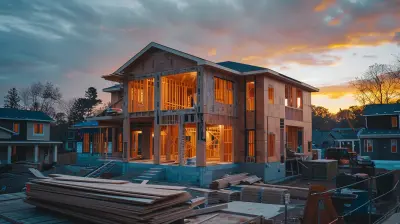
Why Virtual Staging is the Ideal Choice for Remote Property Sales
27 February 2026
In today’s fast-moving real estate market, first impressions can make or break a deal. When selling a property remotely, high-quality visuals are more important than ever. But staging a home the traditional way can be a hassle—not to mention expensive. That’s where virtual staging comes in. It’s a game-changer for sellers and real estate agents who want to showcase homes in the best possible light without the logistical nightmares of physical staging.
So, why is virtual staging the perfect solution for remote property sales? Let’s break it down.
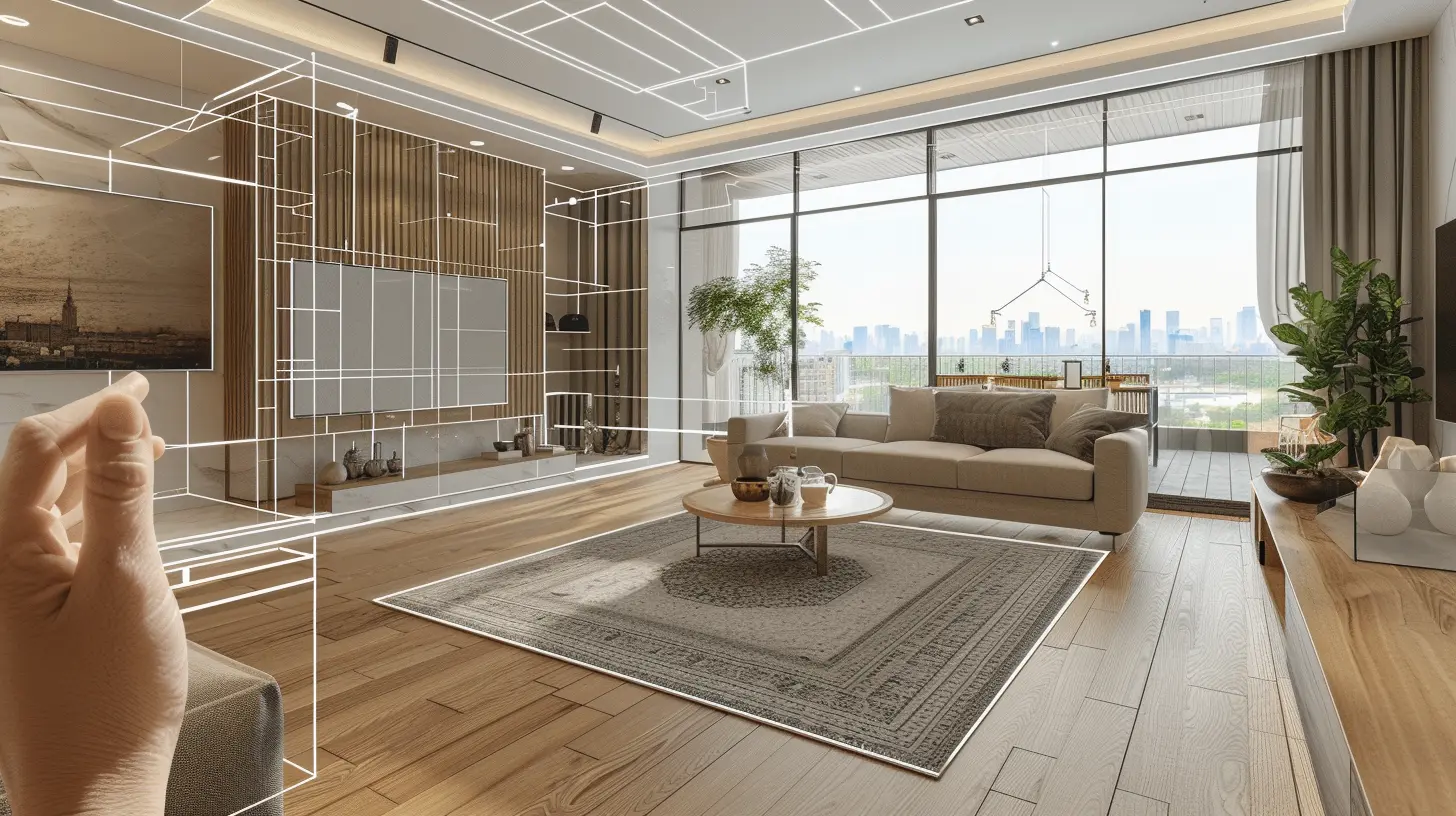
What is Virtual Staging?
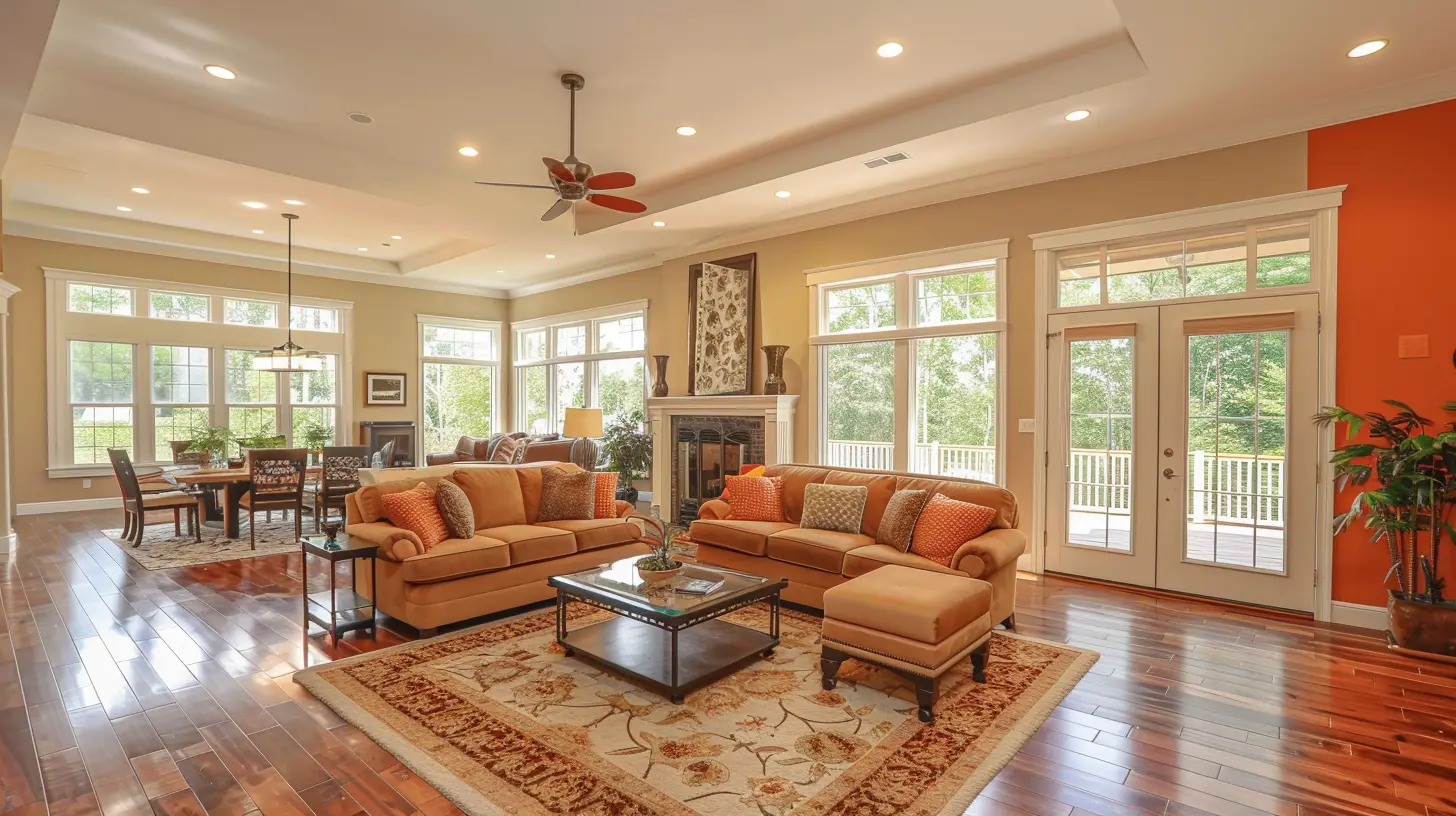
Virtual staging uses 3D-rendered furniture and décor to enhance listing photos, creating photorealistic images of a fully furnished home. Unlike traditional staging, which requires renting furniture, hiring decorators, and physically setting everything up, virtual staging is done digitally. This means sellers can present a beautifully designed space, tailored to their target buyers, without ever stepping foot in the property.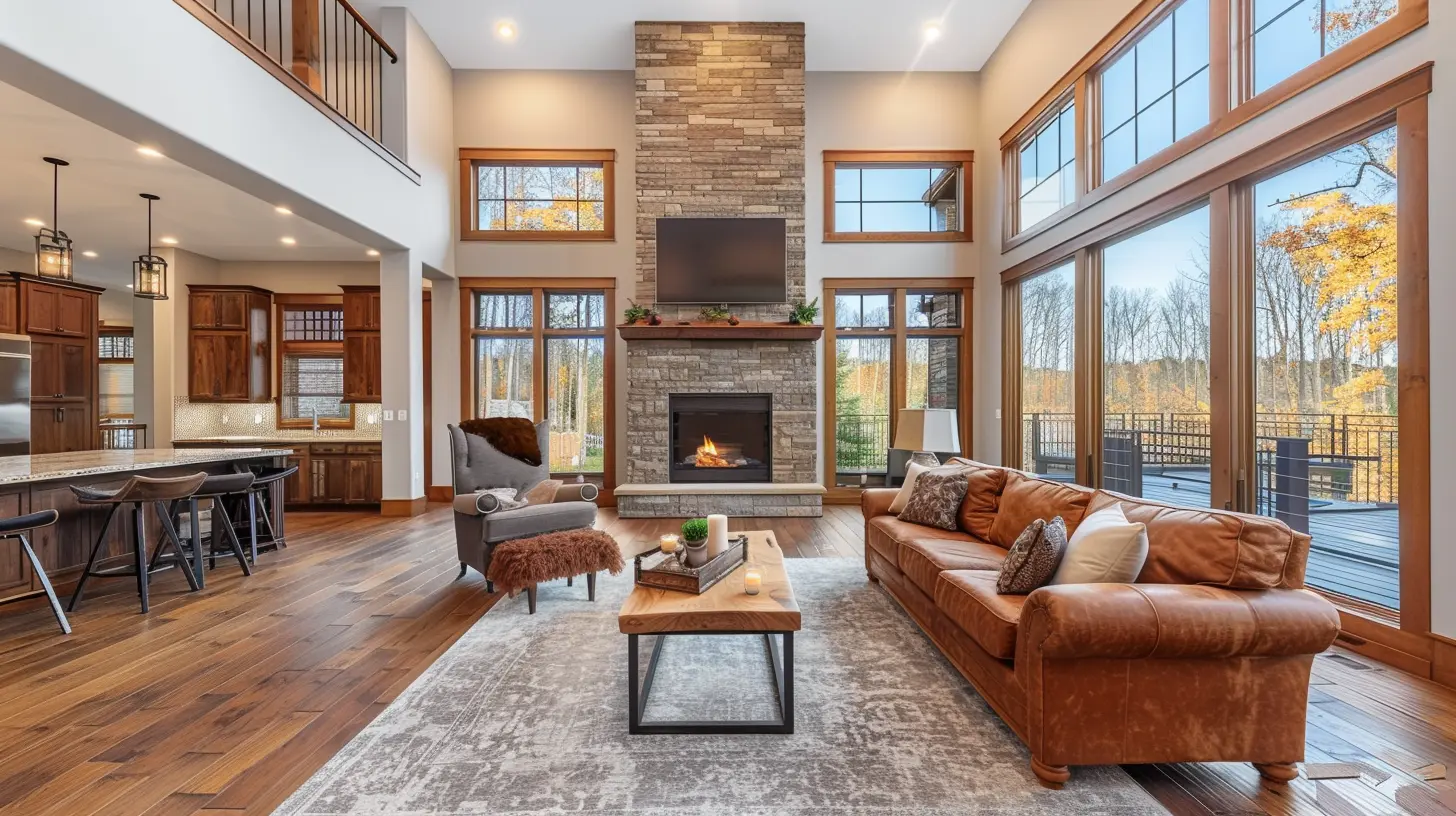
The Rising Demand for Virtual Staging
With more people shopping for homes online, the demand for high-quality, visually appealing listings has skyrocketed. According to the National Association of Realtors (NAR), 97% of buyers use the internet to search for their next home. That means your listing photos need to stand out!Virtual staging makes it possible to highlight a property's true potential, helping buyers visualize how a space could look when fully furnished and decorated. In an era where remote home buying is more common than ever, this is a huge advantage.
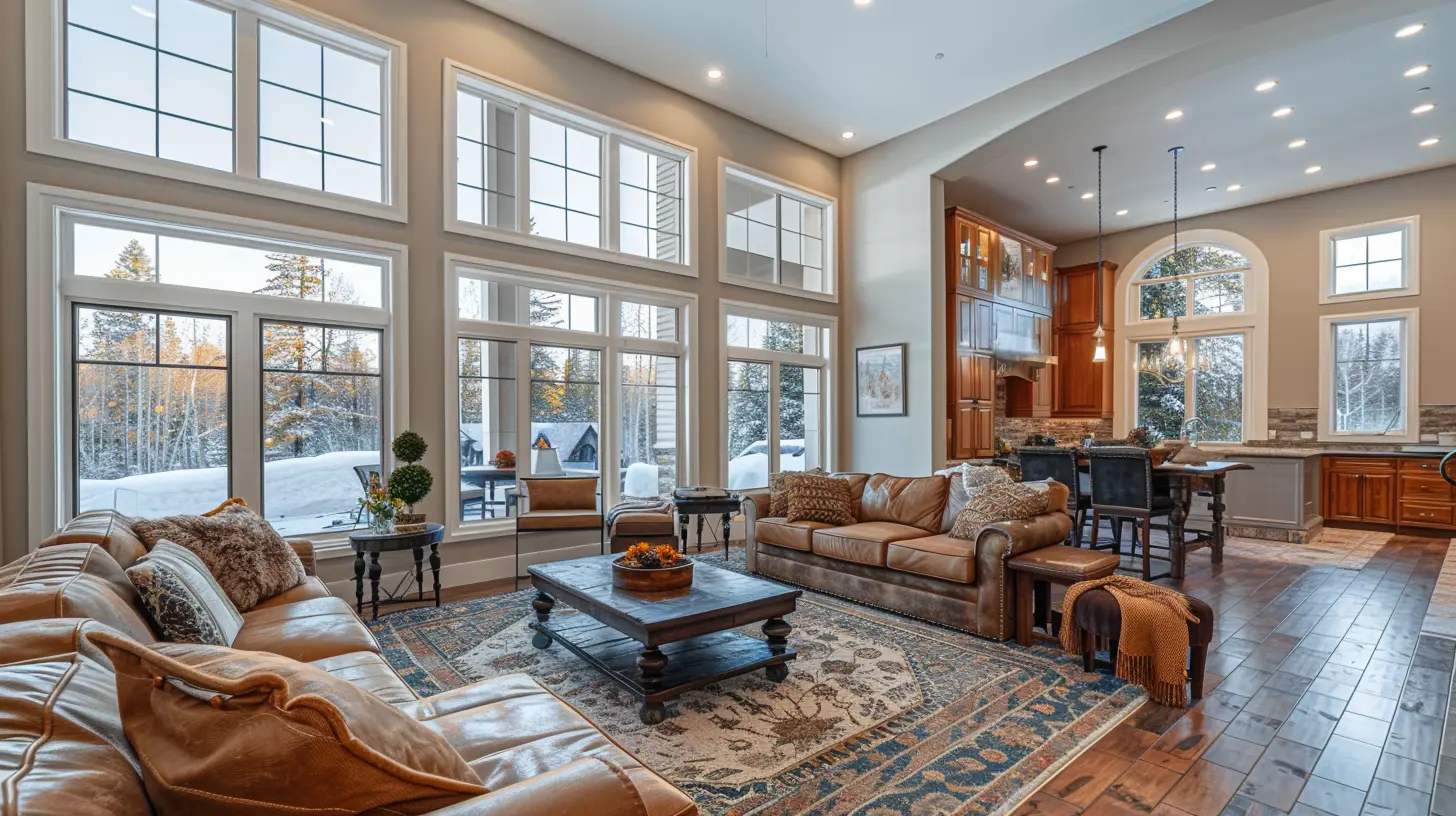
Why Virtual Staging is the Best Option for Remote Property Sales
Now, let’s get into the real benefits—why virtual staging is the top choice when selling homes remotely.1. Cost-Effective Compared to Traditional Staging
Traditional staging can cost anywhere from $2,000 to $5,000 per month, depending on the size of the property and the amount of furniture needed. In contrast, virtual staging costs a fraction of that—usually between $30 and $150 per image.For remote sales, this is a huge cost-saving advantage. Sellers don’t have to worry about moving furniture in and out, paying rental fees, or hiring interior designers. Instead, they can get stunning, fully furnished photos at a much lower cost.
2. Makes Empty Homes More Appealing
Let’s be honest: empty homes look dull in listing photos. Bare walls, echoing rooms, and lifeless spaces make it hard for buyers to connect emotionally with a property.Virtual staging breathes life into an empty home, making it feel warm, inviting, and move-in ready. This emotional connection can make all the difference when trying to close a remote sale.
3. Customization for Target Buyers
One of the best things about virtual staging? Flexibility. You can tailor the furniture and design to match the style that appeals most to your target audience.- Selling a modern condo? Stage it with sleek, contemporary furniture.
- Marketing a family home? Use cozy, traditional décor to make it feel inviting.
- Listing a beach house? Add light, airy furnishings to create a coastal vibe.
This customization helps attract the right kind of buyers, increasing your chances of a quick sale.
4. Faster Turnaround Time
Traditional staging takes time—weeks, sometimes even months, depending on furniture availability and scheduling. Virtual staging? It can be done in 24 to 48 hours.For remote property sales, time is of the essence. You want to get your listing up and running as fast as possible. Virtual staging provides a quick and efficient way to enhance your marketing materials without delays.
5. Helps Buyers Visualize Renovations
One of the biggest challenges in real estate is helping buyers see the potential of a property. If a home needs renovations, many buyers struggle to imagine what it would look like post-remodeling.With virtual staging, you can showcase:
- A kitchen before and after renovation
- Different flooring or wall color options
- Alternative furniture arrangements
This is especially useful for remote buyers who can’t visit in person to imagine the possibilities.
6. Increases Buyer Engagement
People buy with their eyes first. A visually compelling listing catches attention and encourages potential buyers to spend more time considering the property.According to studies, virtually staged homes receive higher engagement on listing websites and social media. More engagement means:
- More inquiries
- More virtual tours scheduled
- A higher chance of closing the deal
For remote sales, grabbing buyers' attention right away is crucial. Virtual staging ensures your listing gets noticed.
7. Perfect for Virtual Tours and Online Listings
With remote property sales becoming the norm, virtual tours and online listings play a massive role in the buying process. A visually appealing, staged home makes virtual showings more immersive and engaging.Instead of walking through an empty, lifeless space, buyers can explore a beautifully staged home—giving them a stronger emotional connection to the property (which ultimately leads to faster sales).
8. Avoids Physical Staging Hassles
Let’s face it—physical staging is a logistical headache, especially for long-distance sellers. You have to:- Hire movers
- Rent furniture
- Arrange deliveries
- Schedule set-up and removal
Virtual staging eliminates all of this stress. No need to coordinate multiple vendors or deal with last-minute cancellations—just send over high-quality photos, and in no time, your listing is market-ready.
9. Environmentally Friendly Alternative
Believe it or not, traditional staging has an environmental impact. Transporting furniture, moving items in and out of homes, and discarding old staging materials contribute to waste and emissions.Since virtual staging is 100% digital, it’s a greener alternative—helping reduce unnecessary waste while still enhancing your listing’s appeal.
How to Get the Best Results with Virtual Staging
If you’re ready to use virtual staging for your remote property sale, here are a few pro tips to get the best results:- Use high-quality photos – Crisp, well-lit images work best for virtual staging.
- Keep it realistic – Avoid exaggerated or overly stylized designs that make the images look fake.
- Be transparent – Mention in the listing description that the home has been virtually staged to manage buyer expectations.
- Stage the key areas – Focus on high-impact rooms like the living room, kitchen, and master bedroom.
By following these simple steps, you’ll maximize the benefits of virtual staging and create a listing that buyers can’t resist.
Final Thoughts
Virtual staging is a no-brainer for remote property sales. It’s affordable, fast, and highly effective in making homes more marketable. In today’s digital-driven world, where buyers rely on online listings to make decisions, having an engaging, visually appealing presentation is more important than ever.So, if you’re selling a property remotely, consider virtual staging—it might just be the secret weapon that helps you close the deal faster and for top dollar!
all images in this post were generated using AI tools
Category:
Virtual StagingAuthor:

Mateo Hines
Discussion
rate this article
2 comments
Trevor Peterson
Great insights! Virtual staging truly transforms remote property sales and enhances buyer engagement. Thank you!
March 7, 2026 at 4:51 AM
Mateo Hines
Thank you! I'm glad you found the insights valuable. Virtual staging really does make a significant difference in engaging buyers.
Maggie Newman
Virtual staging offers an innovative solution for remote property sales, allowing buyers to visualize potential spaces without physical staging costs. It's cost-effective, time-efficient, and enhances online listings, making properties more appealing. However, it's crucial to ensure representations are accurate to maintain trust.
February 28, 2026 at 3:44 AM
Mateo Hines
Thank you for highlighting the benefits of virtual staging! Its ability to enhance visuals while being cost-effective and efficient is indeed transformative for remote property sales. Accuracy in representation is key to building buyer trust.