New Construction vs. Fixer-Uppers: Which is Right for You?
2 July 2026
Buying a home is a monumental decision, and one of the biggest choices you'll face is whether to go for a brand-new construction or take on a fixer-upper. Both have their unique perks and challenges, and the right choice ultimately depends on your lifestyle, budget, and willingness to put in work (or money).
So, how do you decide? Let's break it down and help you figure out which option is the best fit for you.
The Appeal of New Construction Homes
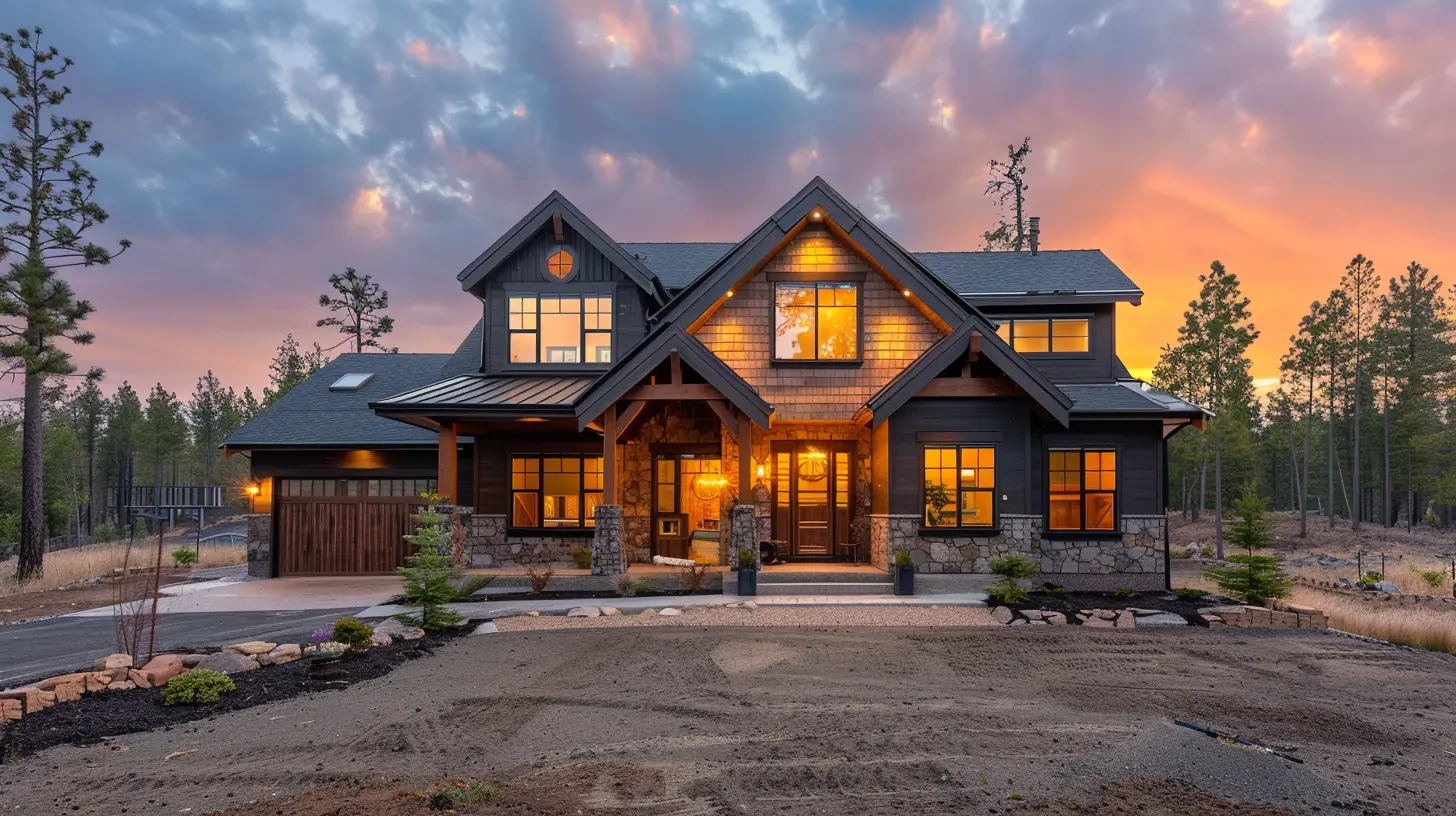
Who doesn’t love the idea of a fresh start? New construction homes can be incredibly appealing for a variety of reasons.1. Move-In Ready Convenience
One of the greatest perks of a newly built home is that everything is brand new—no renovations, no outdated features, and no unexpected surprises. You can just move in and start living.2. Modern Features and Energy Efficiency
New homes are typically built with the latest technology, energy efficiency, and smart home features. From better insulation to energy-efficient windows and appliances, you'll likely see lower utility bills compared to an older home with outdated systems.3. Customization Options
If you're building from scratch or buying in a new development, you may have the option to customize features like flooring, cabinetry, countertops, and even layouts. It’s like getting a home tailor-made just for you.4. Fewer Repairs and Maintenance
Since everything from the roof to the plumbing is brand new, you can expect fewer issues in the first few years, which saves you time, stress, and money on repairs. Many new homes also come with builder warranties, providing extra peace of mind.5. Higher Initial Cost but Lower Ongoing Expenses
While new construction homes often come with a higher price tag, you won’t have to worry about immediate repairs or updates. The lower maintenance and utility costs can make up for the higher upfront cost over time.
The Challenges of New Construction
1. Higher Price Tags
New homes are priced at a premium. Builders know buyers want the latest and greatest, meaning you’ll likely pay more per square foot for a new home compared to an older one in the same neighborhood.2. Lack of Character and Established Neighborhoods
Sometimes, new construction lacks the charm and character of older homes. Older neighborhoods may have mature trees, unique architecture, and a sense of history—things that new developments just don’t offer right away.3. Construction Delays and Extra Costs
If you're building from the ground up, you might face construction delays due to weather, material shortages, or builder timelines. Additionally, upgrades and add-ons can quickly inflate the final price of your home.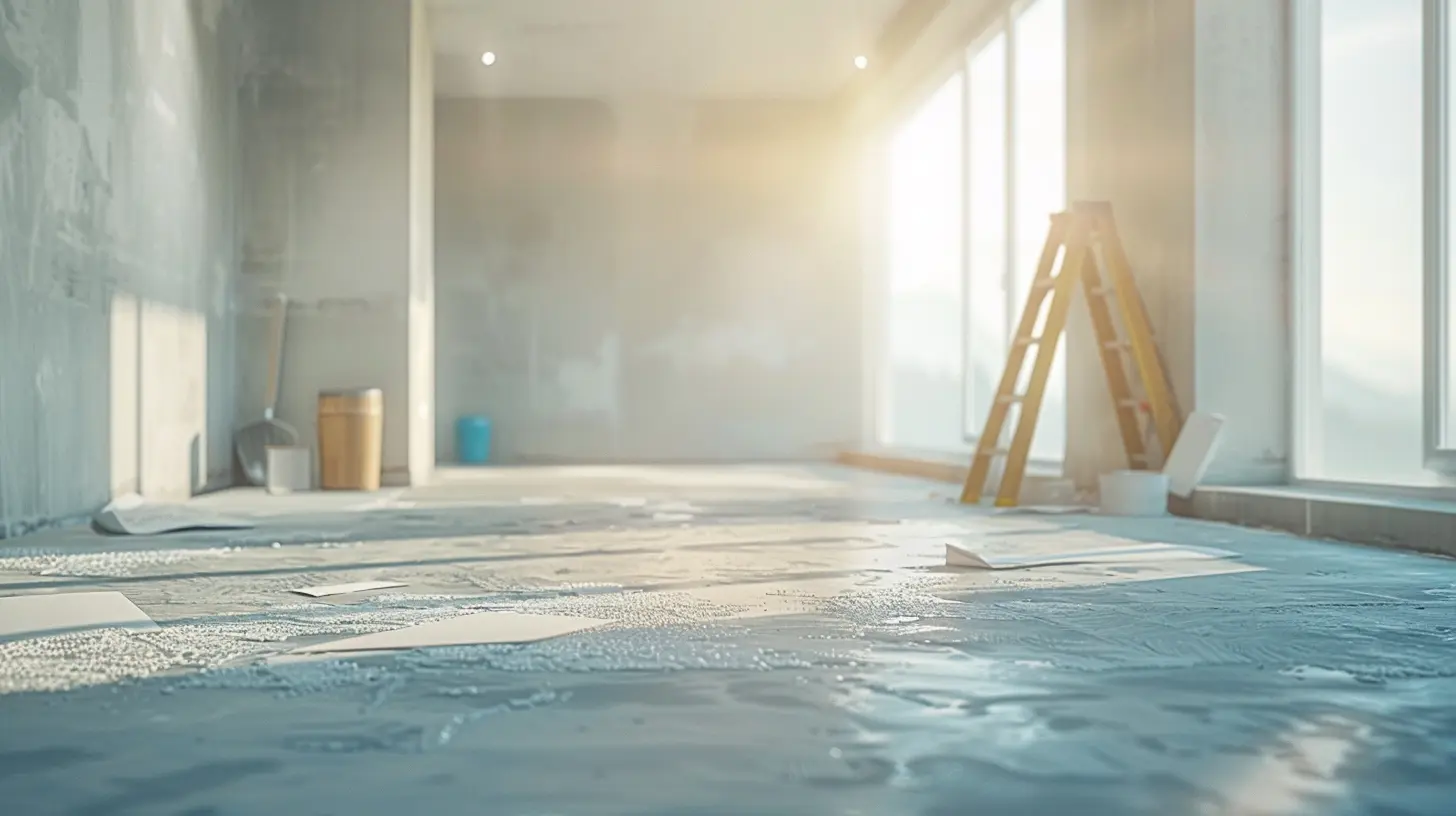
The Appeal of Fixer-Uppers
For those who love a good project, a fixer-upper can be an incredibly rewarding investment. While they require more work, they also offer plenty of benefits.1. Lower Purchase Price
Fixer-uppers typically cost less than new construction homes, making them an attractive option for buyers looking to get more house for their money.2. Opportunity to Build Equity
By making improvements and renovations, you can significantly increase the value of your home. This is a great way to build equity and potentially make a nice profit if you decide to sell later.3. Unique Character and Charm
Older homes often have architectural details that you just don’t find in newer builds—crown molding, original hardwood floors, and intricate woodwork that add personality and warmth to a home.4. More Established Neighborhoods
Fixer-uppers are usually located in well-established neighborhoods with mature trees, larger lot sizes, and a strong sense of community. This is something new developments can’t always offer.5. More Room for Customization
Instead of settling for a builder's standard materials and layouts, you get to make choices that truly reflect your style. It's the ultimate DIY dream for creative homeowners.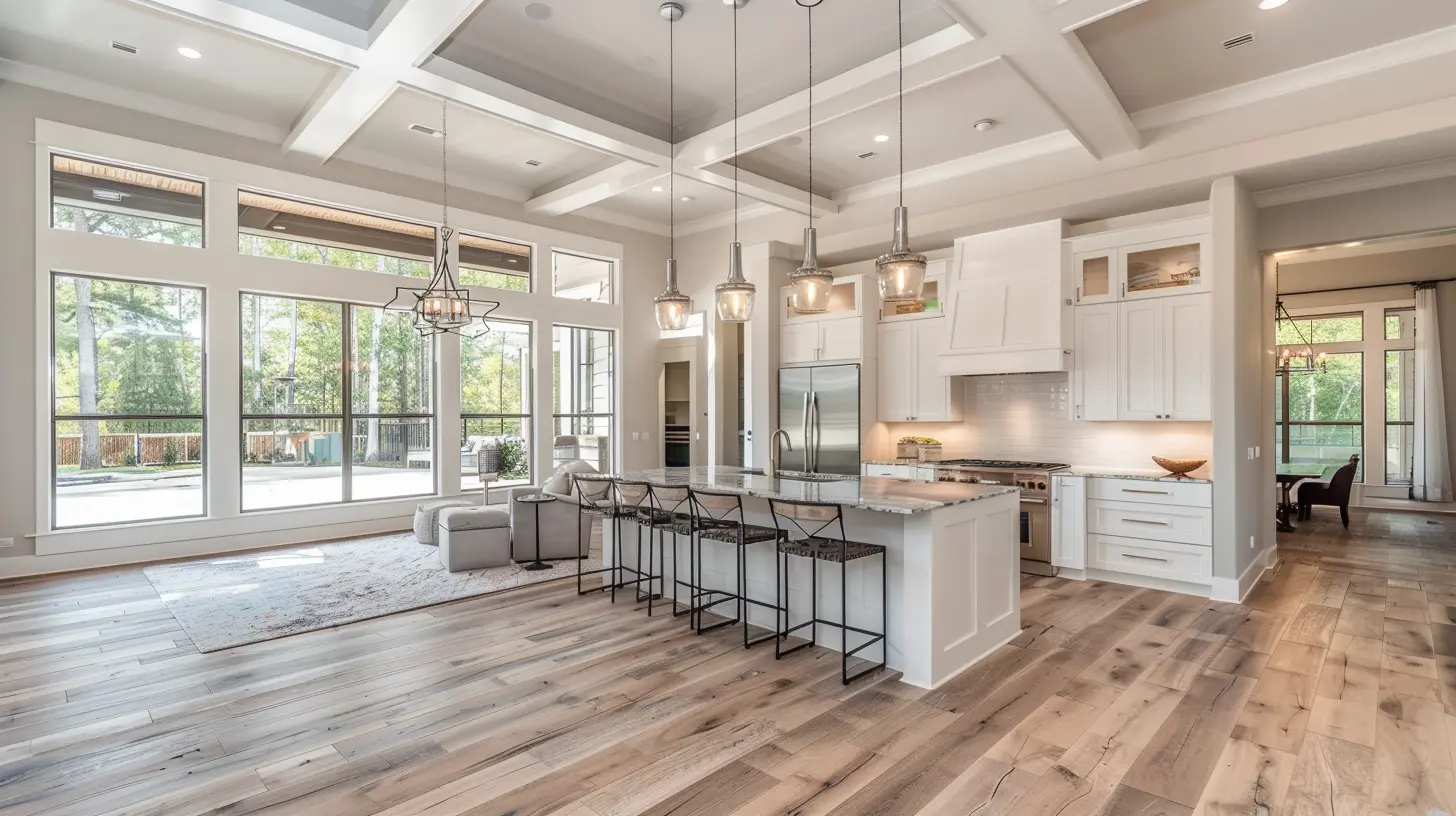
The Challenges of Fixer-Uppers
1. Unexpected Costs and Repairs
What might seem like a simple paint job can quickly turn into a full-blown renovation. Plumbing issues, outdated electrical systems, or hidden structural problems can add thousands of dollars to your budget.2. Time and Effort Required
Renovating takes time. If you're planning to live in the home while you update it, be prepared for dust, noise, and ongoing projects that could last months—or even years.3. Financing Can Be Tricky
Getting a mortgage for a fixer-upper isn’t always as straightforward as it is for a move-in-ready home. Some homes require special renovation loans, adding an extra layer of complexity to the process.4. Stress Factor
Remodeling is no walk in the park. Decisions, delays, and unexpected problems can make the experience stressful. If you’re not up for the challenge, a fixer-upper might not be the best choice for you.How to Decide Between New Construction and a Fixer-Upper
Now that we’ve laid out the pros and cons of both options, how do you decide which one is right for you? Here are a few key questions to ask yourself:1. What’s Your Budget?
- If you have a higher initial budget and prefer a modern, low-maintenance home, new construction might be your best bet.- If you'd rather buy for less and put the extra cash into renovations, a fixer-upper could be the way to go.
2. How Soon Do You Want to Move In?
- Need a home ASAP? A move-in-ready new construction is ideal.- If you're willing to wait and renovate while you live there, a fixer-upper might be worth it.
3. Are You Willing to Take on Renovation Projects?
- If you love the idea of rolling up your sleeves and creating a dream home, a fixer-upper can be a fun (and profitable) investment.- If you’re not handy—or don’t want to deal with contractors—new construction might be the way to go.
4. What Kind of Neighborhood Do You Prefer?
- Are you looking for a brand-new development with modern amenities? A newly built home in a planned neighborhood could be a great fit.- Prefer tree-lined streets and a sense of history? A fixer-upper in a well-established area might be more your style.
5. Are You Looking for a Short-Term or Long-Term Investment?
- If you’re planning to stay put long-term, a fixer-upper could be a smart investment since you’ll have time to see your renovations pay off.- If you just want a hassle-free home with minimal upkeep, new construction could be a better fit.
Final Thoughts
At the end of the day, both new construction and fixer-uppers have their advantages and drawbacks. It really comes down to what matters most to you—convenience and modern features, or character and customization?There’s no right or wrong answer, only what fits your needs and lifestyle. Take your time, weigh the pros and cons, and make the choice that feels right for you. After all, home is where the heart is, whether it’s brand new or a work in progress.
all images in this post were generated using AI tools
Category:
New ConstructionAuthor:

Mateo Hines
Discussion
rate this article
1 comments
Laila Henson
Great insights on the pros and cons of both options. It's essential to weigh personal preferences and investment goals when making such an important decision.
July 2, 2026 at 3:37 AM
Mateo Hines
Thanks for the feedback! Balancing preferences and goals is definitely key in this decision.